
WellAir News & Articles
Keep up with news, insights and more.
Keep up with news, insights and more.
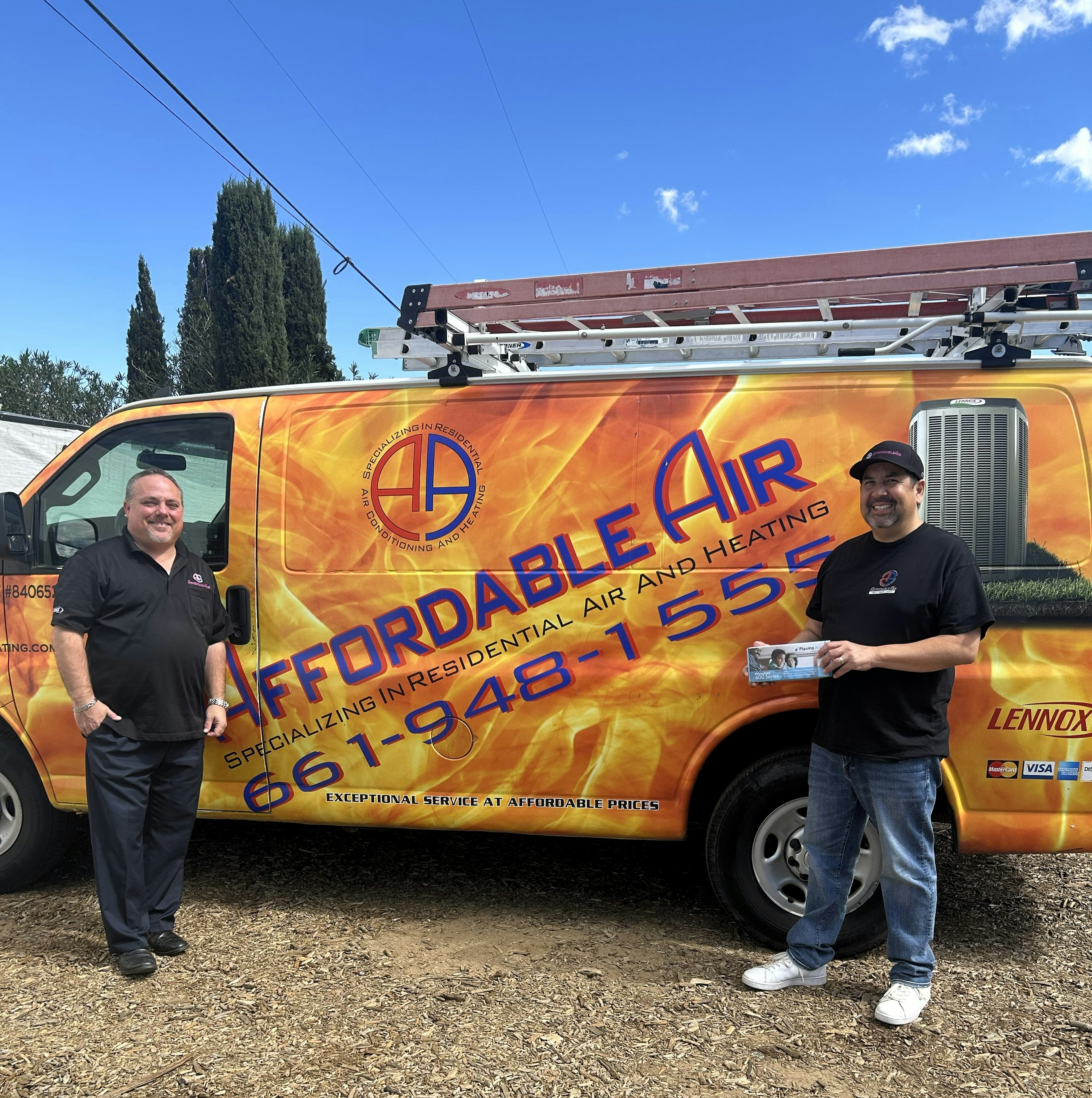
Affordable Air & Heating, a trusted residential contractor serving California’s Central Valley, helps customers improve indoor air quality without adding complexity, cost, or maintenance headaches. They install PlasmaPURE.
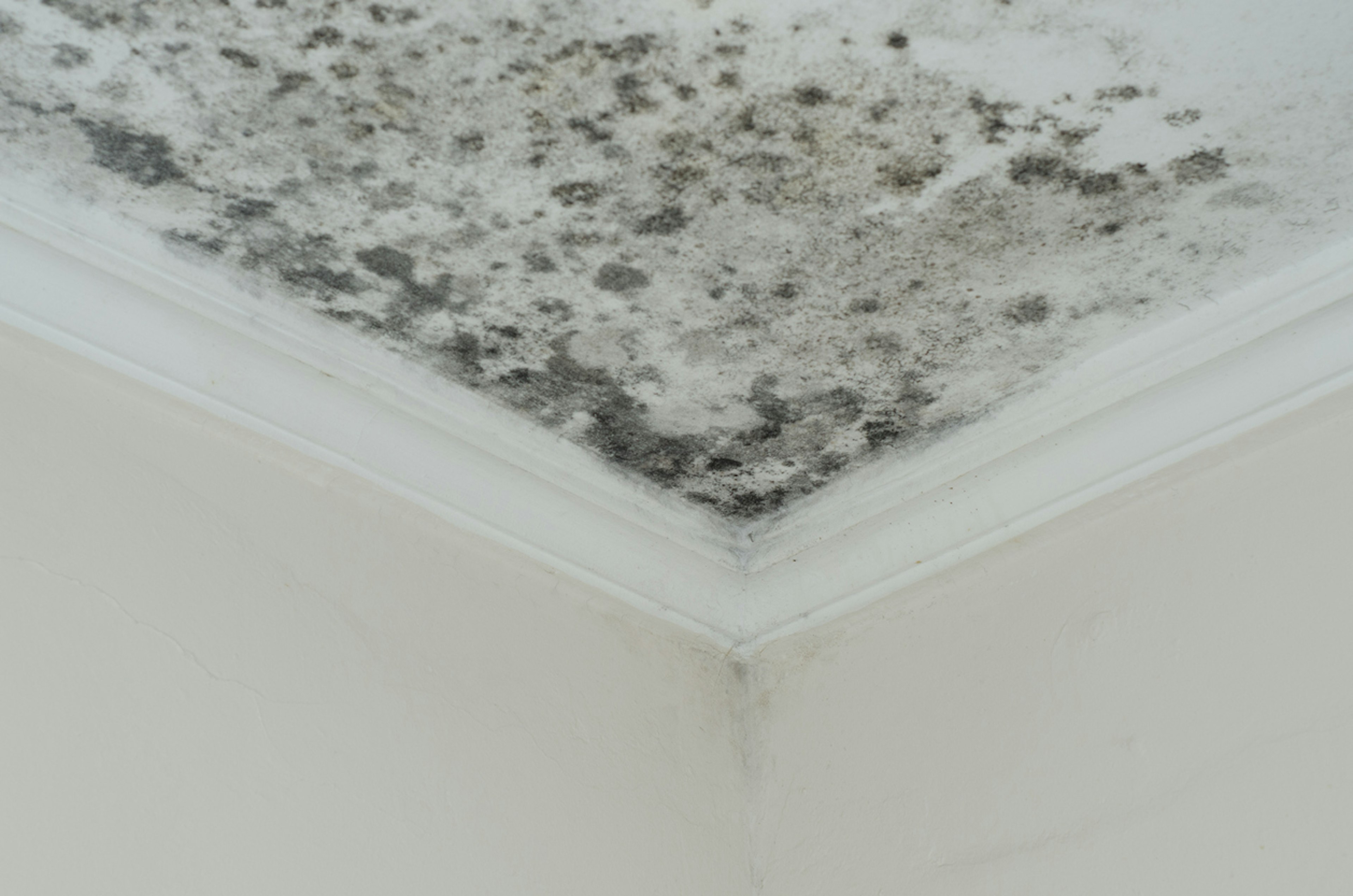
The Health Risks and Hidden Dangers of Indoor Mold. Mold is more than just an ugly nuisance—it’s a hidden health hazard that can silently compromise the well-being of those living or working in affected buildings.

How Summer Heat Affects Indoor Air Quality—and What To Do. Americans spending an estimated 90% of their time indoors so clean indoor air becomes critical during hot weather months. WellAir can help!

The Health Effects of Breathing Wildfire Smoke Over Time. Wildfire smoke carries fine particulates, VOCs, and toxins that threaten respiratory and heart health. Because wind carries toxic air far from active fires, proactive indoor air protection is essential.

For more than 25 years, Ready & Able has served homeowners in Central Pennsylvania with trusted heating, cooling, and plumbing solutions. And they offer PlasmaPURE residential HVAC air purification products.

J & J Sheet Metal of Michigan has made PlasmaPURE air purification a key part of their service offerings. “We chose PlasmaPURE because it’s low maintenance and delivers real results for our customers,” shared the team at J & J. “It’s an advanced technology that feels effortless.”

Groesbeck ISD Enhances Indoor Air Quality for Early Learners. The success of the Novaerus Protect 900 solutions in Groesbeck ISD’s early childhood spaces is clear: improved attendance, enhanced wellness for students and staff, and a healthier learning environment.
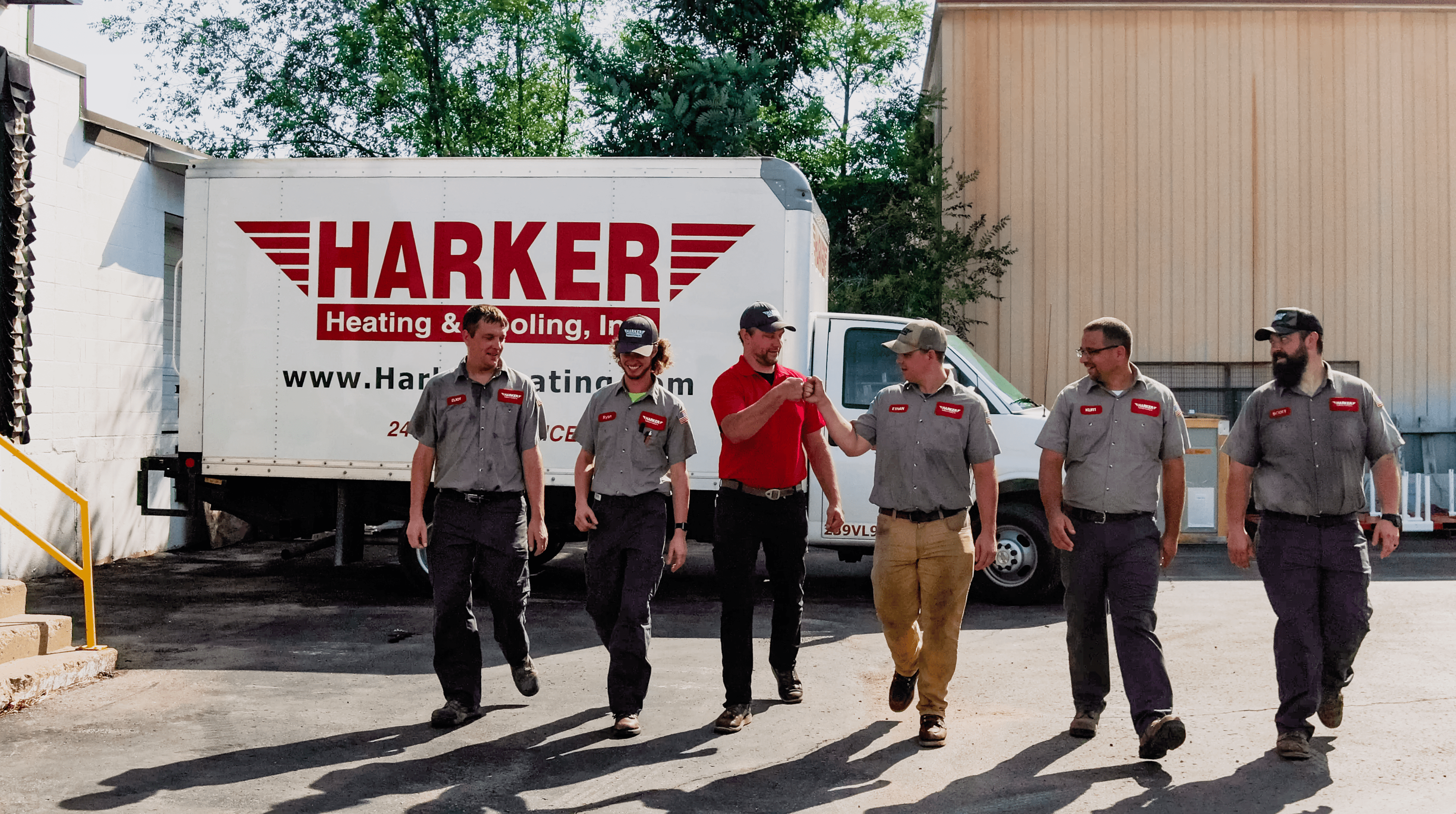
Harker Heating & Cooling is helping Wisconsin families enjoy cleaner, healthier air with WellAir's PlasmaPURE products.

Partnering with WellAir, the Purchase District Health Department prioritized the health and safety of its staff and the community, demonstrating a strong commitment to community welfare. Read the Case Study.
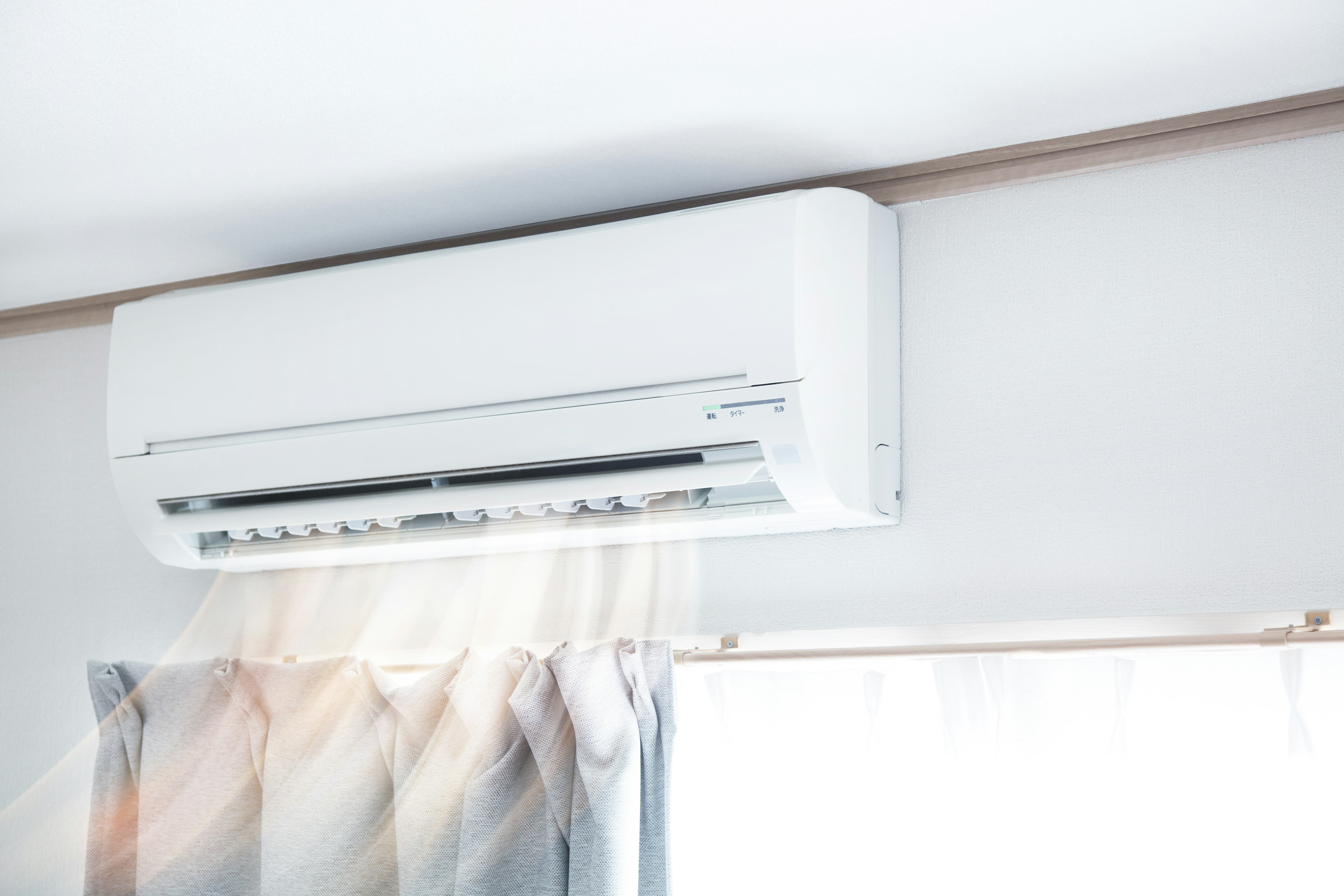
The global ductless heating and cooling systems market is projected to surpass $200B by 2030, making it clear that more and more owners are choosing to go ductless for its energy efficiency, flexibility and reliability. The PlasmaPURE 600 Series unit is uniquely small in size. Read more on how, where, and why you should install.

A Modern Approach to Cleaner Air in Wastewater Treatment. Clifton Sanitation's strategic shift to Plasma Air's 7000 Series not only ensured a safer and healthier working environment but also positioned them for continued success in wastewater treatment, embodying their commitment to excellence, employee well-being, and environmental responsibility.

Indoor Air Quality on Buses. By combining its soft ionization technology with ventilation and filters, Plasma Air offers a safe, comprehensive, and cost-efficient solution to improve indoor air quality as part of a multi-layered approach in buses.

Jarvis Estate Offers the Best of Everything. Jarvis Estate Winery in Napa, California provides customers with the best of everything including world-class cabernets and WellAir Air disinfection technology. Read more about how Jarvis Estate Winery uses WellAir.
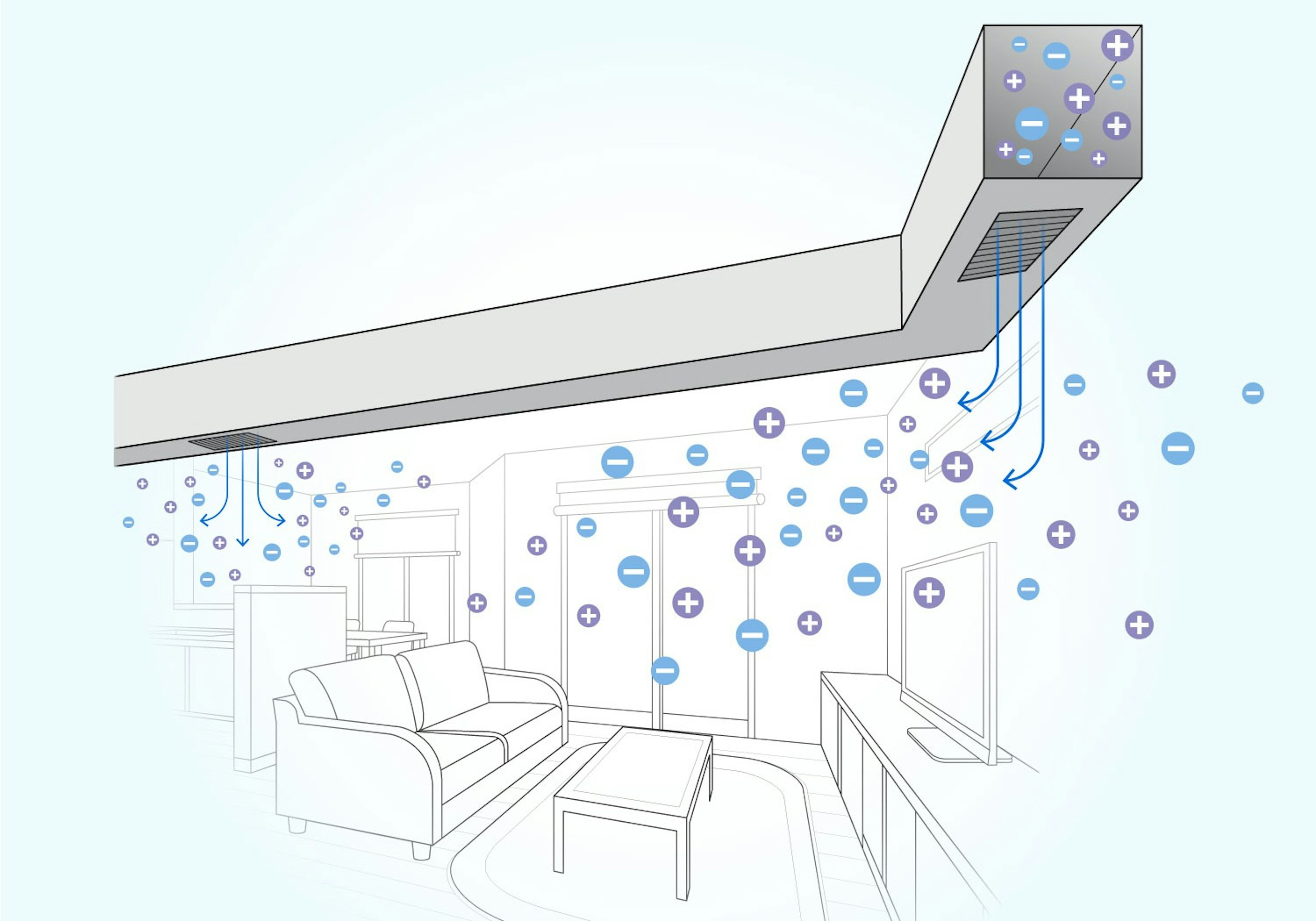
A History of Bipolar Ionization and Plasma Air. This technical brief provides an overview of bipolar ionization. It highlights the Plasma Air's needlepoint bipolar ionization technology, our UL 2998 verified products, along with our efficacy and safety standards.
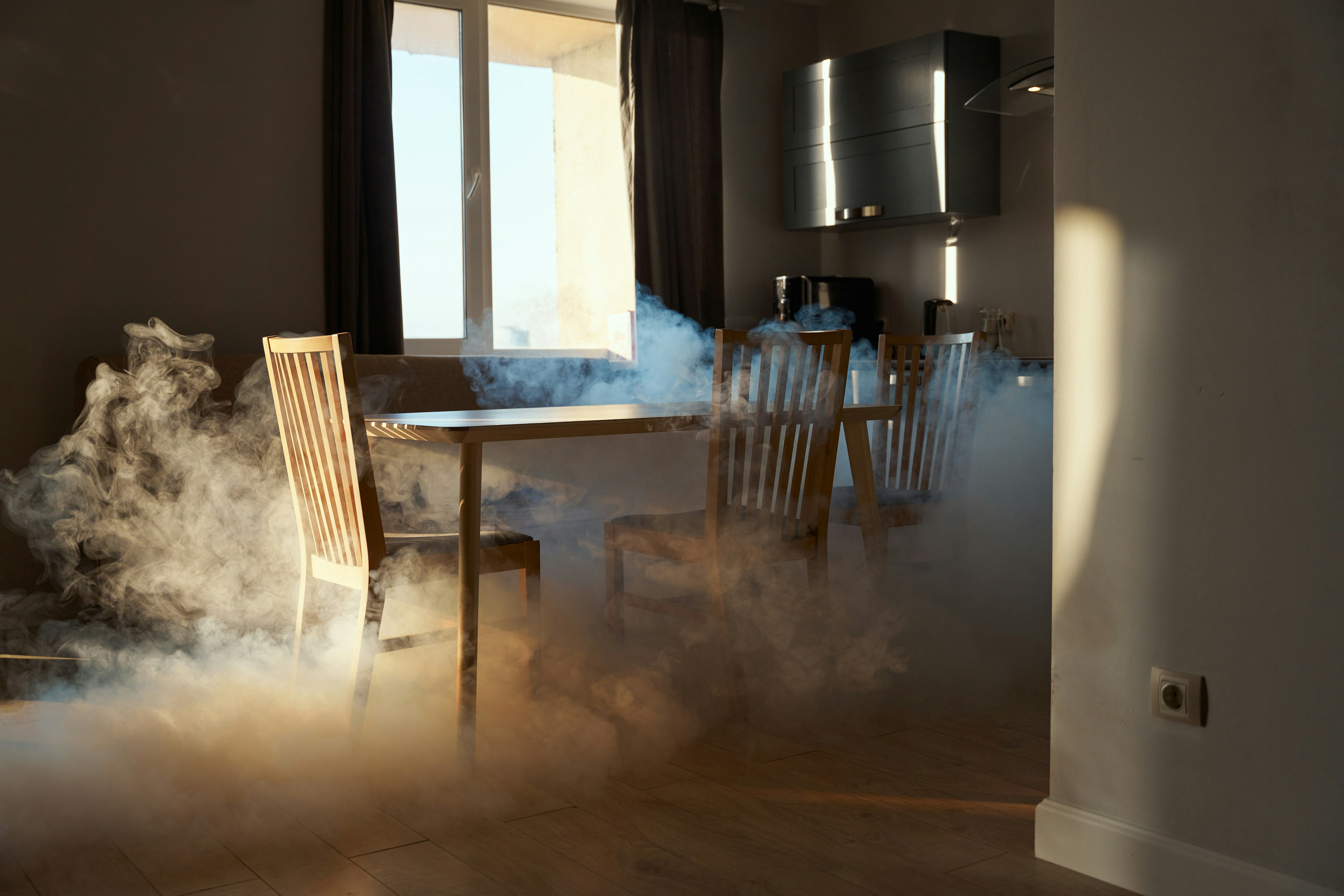
How Plasma Air Helped One Family Recover from a House Fire. One stormy night in Texas, a lightning bolt struck Alistair's home. The resulting fire was extinguished but the stench of burnt plastic and chemicals stayed in the air. Alistair's neighbor, an HVAC specialist, recommended Plasma Air.

Hand hygiene and surface cleaning are not enough. In the Clinical Services Journal, experts argue that the use of air decontamination systems to improve indoor air quality should be considered as part of infection prevention and control strategies.
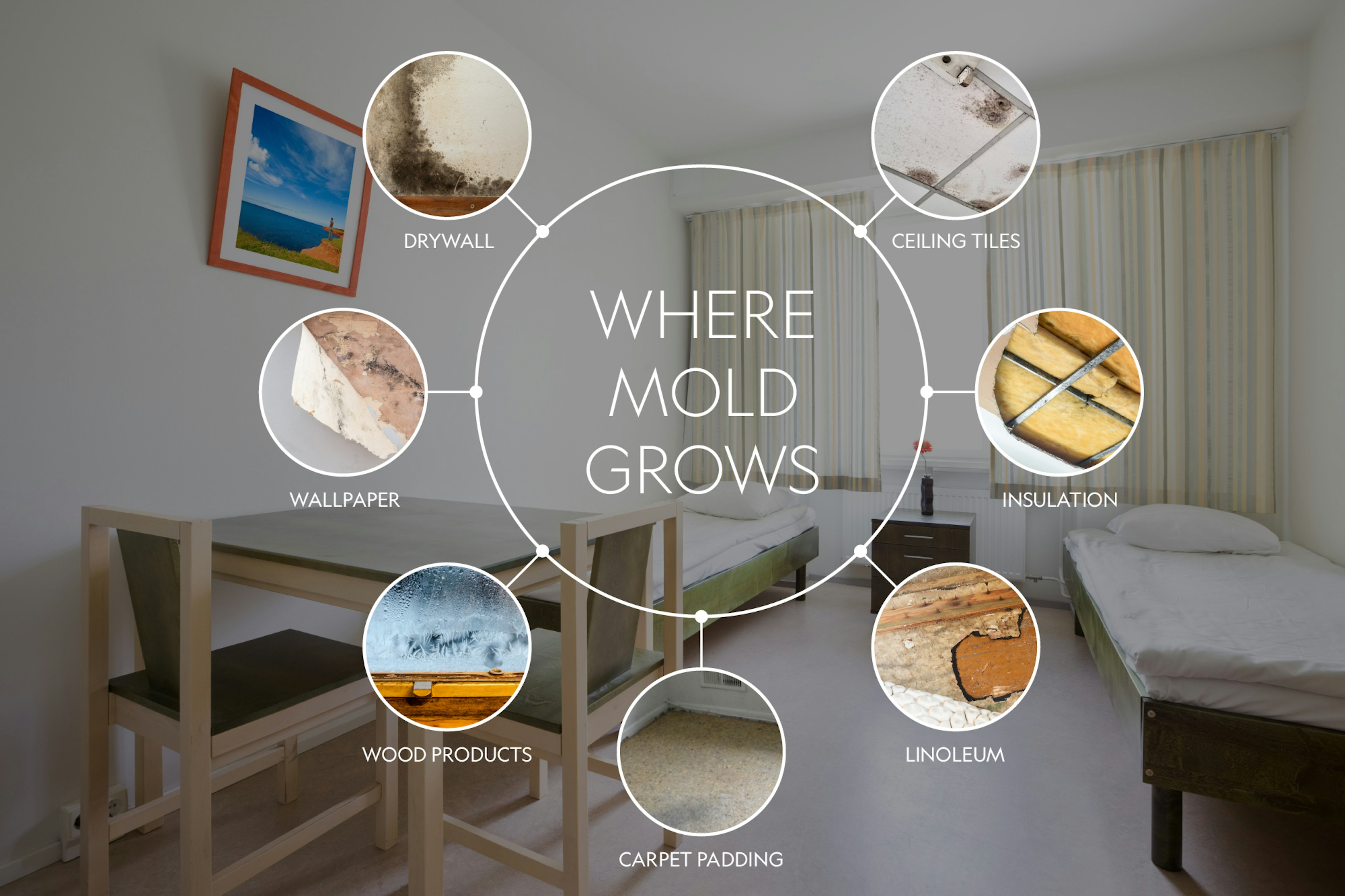
Overlooked, Toxic, and on the Rise. As the planet becomes hotter and wetter, mold is becoming a more persistent headache for schools and commercial buildings, eating up operational budgets and generating negative publicity.

We Need a Common Set of Standards for Indoor Air Quality. In a recent study, U.S. workers ranked indoor air quality as their number-one concern about returning to the workplace. We share our experience and insight on IAQ in commercial environments.

A Layered Approach to Indoor Air Quality. As we begin to better understand the link between IAQ and wellness, active air purification technologies, such as bipolar ionization, hold tremendous promise to make indoor spaces healthier for all.

Summer Assignment: Fix School IAQ to Protect Students in the Fall. Our Chief Science Officer Felipe Soberón shares his experience and insight. "I've seen the profound effects that air quality can have on our health and well-being. If we don’t take appropriate action today in our schools, we may look back on this moment as a missed turning point for healthy air in education."

As a part of our WellAir Dealer Q&A series, we had an opportunity to talk with another successful Elite dealer, Carolina Comfort in Columbia, SC. We spoke with Cole Mitchell, the Director of Marketing who has been with the company since 2016.
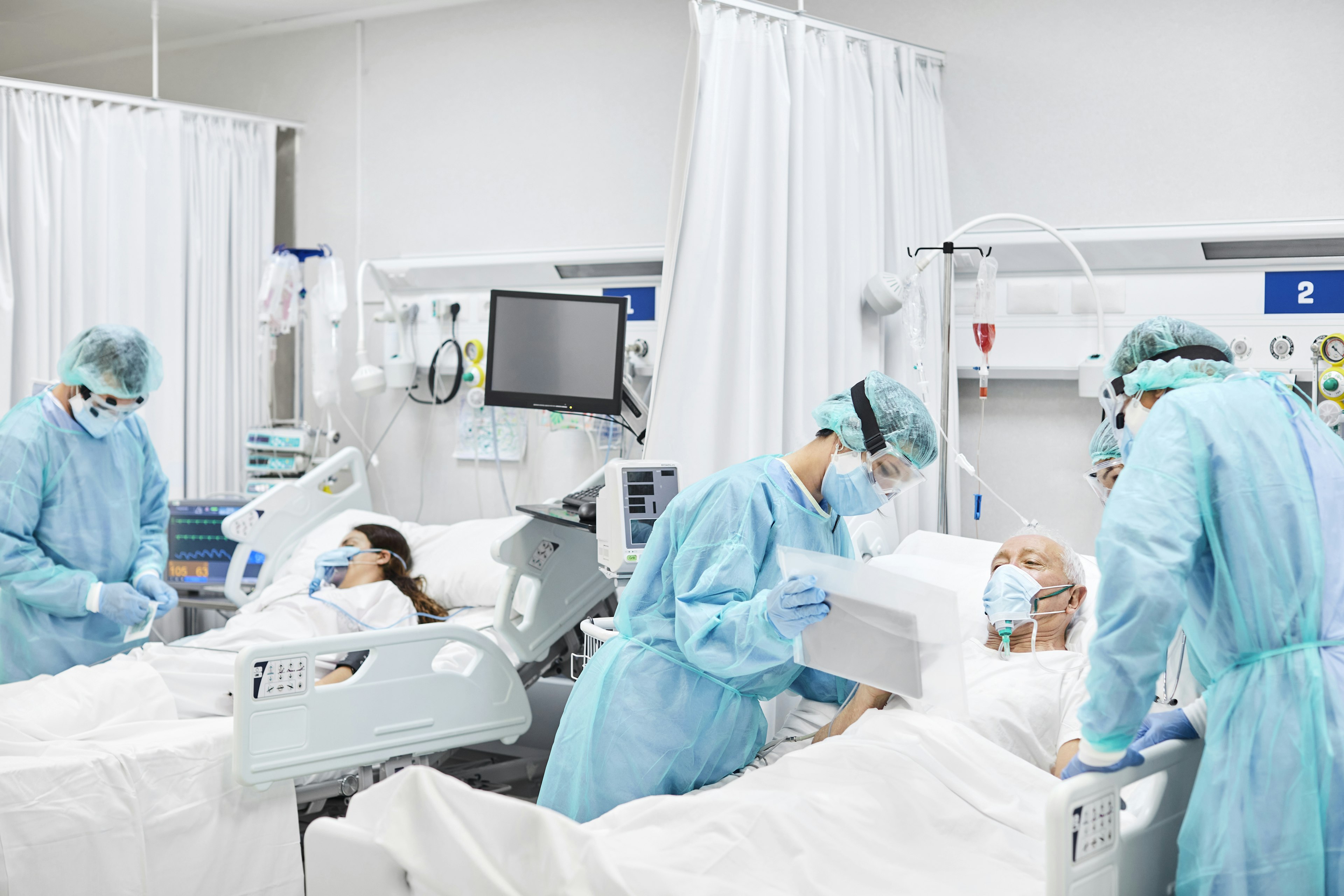
WellAir Air Cleaning and Purification Devices in Intensive Care Units. This peer-reviewed study was carried out on WellAir Air Cleaning and Purification Devices. The study highlights the number of microorganisms in the air and evaluates the effectiveness of air purifiers in reducing the rate of nosocomial infections within the ICU.

The growth of wellness travel has driven demand for hotel technology that limits the spread of allergens and other potentially harmful airborne particles. HVAC systems in hotels can play a significant role in improving indoor air quality and reducing allergens.

The WellAir team recently had a chance to connect with Matt Binning, the Service Manager at Alcorn Aire in Bakersville, CA, one of WellAir’s successful Elite Dealers. In this interview Matt explains how his company is winning by offering Plasma Air’s ionizers on every job.

Part 1. Aerosols Are Infectious, and More Dangerous Than Droplets. Covid-19 aerosols have been proven infectious and more dangerous than droplets. In this blog post we take a look at how the aerosol debate around measles in the 1980s and how health officials reacted.
Part 2. Aerosols Are Infectious + More Dangerous than Droplets. Many Covid-19 precautions (plexiglass dividers, desks spaced 6 feet apart, reduced restaurant occupancy) are premised on the notion that large droplets, from sneezes and coughs, pose the greatest danger to vulnerable people. This is not the case.

Plasma Air ionization solutions deployed in one of the world’s largest rail systems in Riyadh, Saudi Arabia.

Plasma Air is leading the IAQ revolution. Our IAQ Procedure Software, PlasmaSoft, provides engineers, facility owners and operators a fast, simple and effective way to reduce expenses, while maintaining superior indoor air quality.

Managing Indoor Air Quality During Air Quality Alerts and Extreme Heat. Outside air intake, necessary to providing proper ventilation for healthy indoor environments, presents a challenging situation when temperatures rise. It must be properly cooled for indoor use.

HVAC Contractors Should Offer Air Purification for Homeowners. Every household benefits from cleaner air, and having an HVAC contractor install PlasmaPURE directly into the home’s duct system is one of the most effective ways to improve IAQ.

50M people in the United States suffer from allergies! As pollen, dust and pet dander run rampant through your customers’ homes, allergies can worsen. Fortunately, Plasma Air has a solution that works continuously to eliminate airborne allergens inside the home.

Thirdhand Smoke – A Lingering Health Threat. First and secondhand smoke are well known to be harmful, so it’s mostly banned indoors. But new research shows that keeping smoke out of sight and smelll isn’t enough to stay safe.

Part 1 of 2. When the world gained control over COVID-19, infection control experts didn't get a reprieve. To the contrary, hospitals need to confront the “pandemic lying in wait”: antibiotic resistance.

Part 2 of 2. TB is ranked as the world’s leading infectious disease killer. Drug-resistant forms of the disease account for about 1 in 3 of all deaths worldwide caused by drug resistent infections.
When Motion Spreads Infection. Back in the 1950s, cartoonist Charles Schulz introduced Pig-Pen, an amiable boy known for the cloud of dirt and dust that follows him everywhere. In truth, we’re all dust magnets, and this fact may play a role in the airborne spread of disease.

Part 1, An Expensive and Increasing Threat. Hospitals get most of the attention in the infection crisis, but nursing homes face a growing, often overlooked and expensive threat — one that will worsen as the population ages and antimicrobial resistance rises.

Part 2, Three Ways to Prevent Infection Spread. Compared to hospitals of the same size, long-term care facilities have four times fewer infection-prevention specialists. So, nursing homes must be particularly innovative in their approach. Read part 2 of the blog series to learn three critical and cost-effective strategies.

Part 1. Four Ways to Fight Airborne Clostridium Difficile. For decades, Clostridium difficile infection (CDI, or C. diff) was dismissed by doctors as “annoying but easy to treat”. No longer. Resistant to traditional antibiotics, new strains cause painful abdominal cramping, fever, nausea, dehydration, and severe diarrhea. Devastating for some patients, fatal for others.
Part 2. Four Ways to Fight Airborne Clostridium Difficile (C. diff). Infection-control experts agree: containing CDI is an urgent global priority, given the emergence of more potent C. difficile strains and the ageing of the developed world’s population. Here are 4 approaches that can dramatically reduce the spread of C. difficile at hospitals and nursing homes.
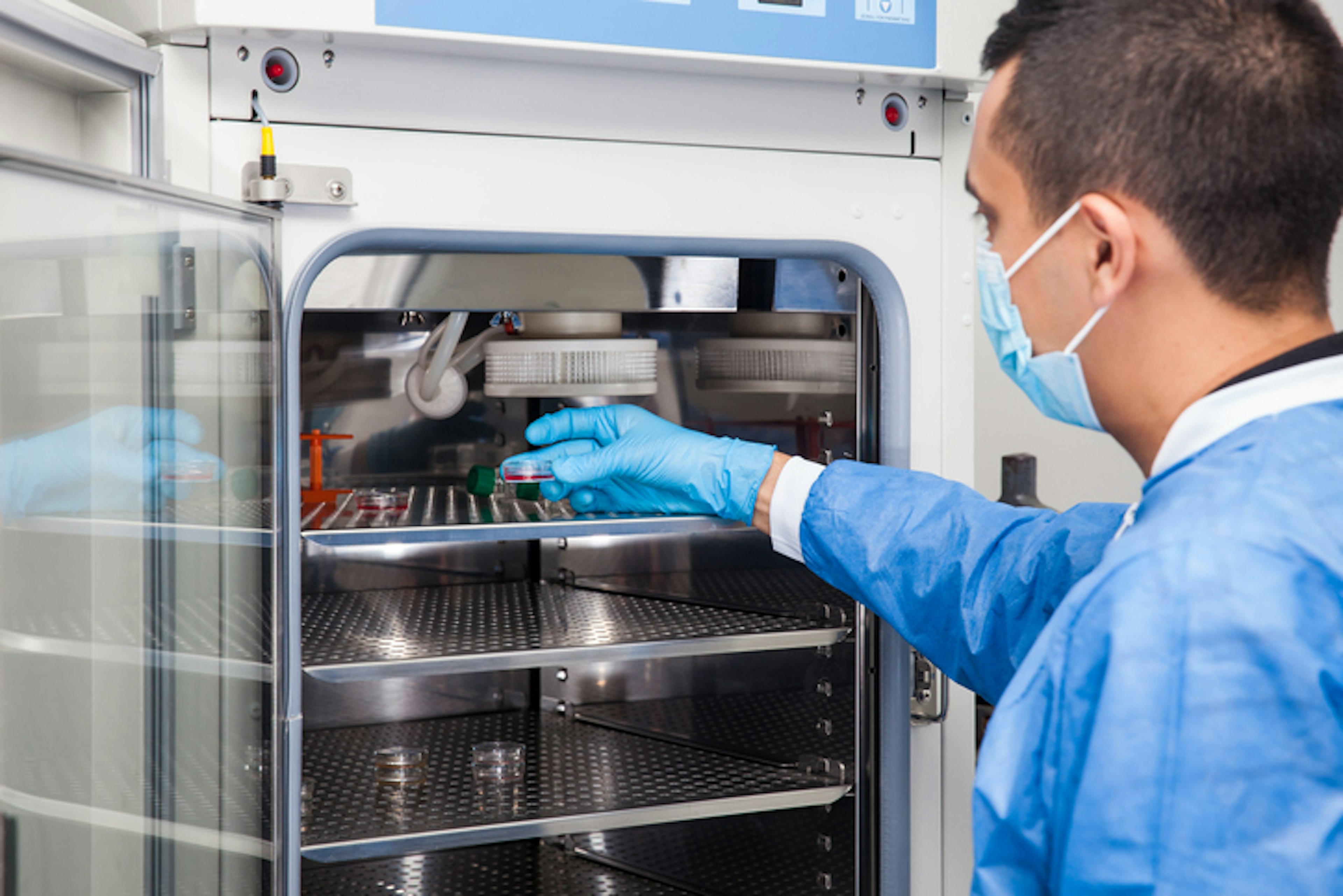
IVF in China, Part 1. Lab air quality has such a striking impact on embryo development that an international team of experts deemed air filtration “essential” for maximizing implantation and live birth rates. Removing airborne toxins in the lab is now considered critical to IVF success.

IVF in China, Part 2. Around the globe, IVF regulating authorities are paying more attention to laboratory air quality. One problem: government regulations treat IVF labs as surgical facilities. Requirements focus on infection control, instead of VOCs, aldehydes, particulates, and other chemical emissions - these all decrease IVF success.
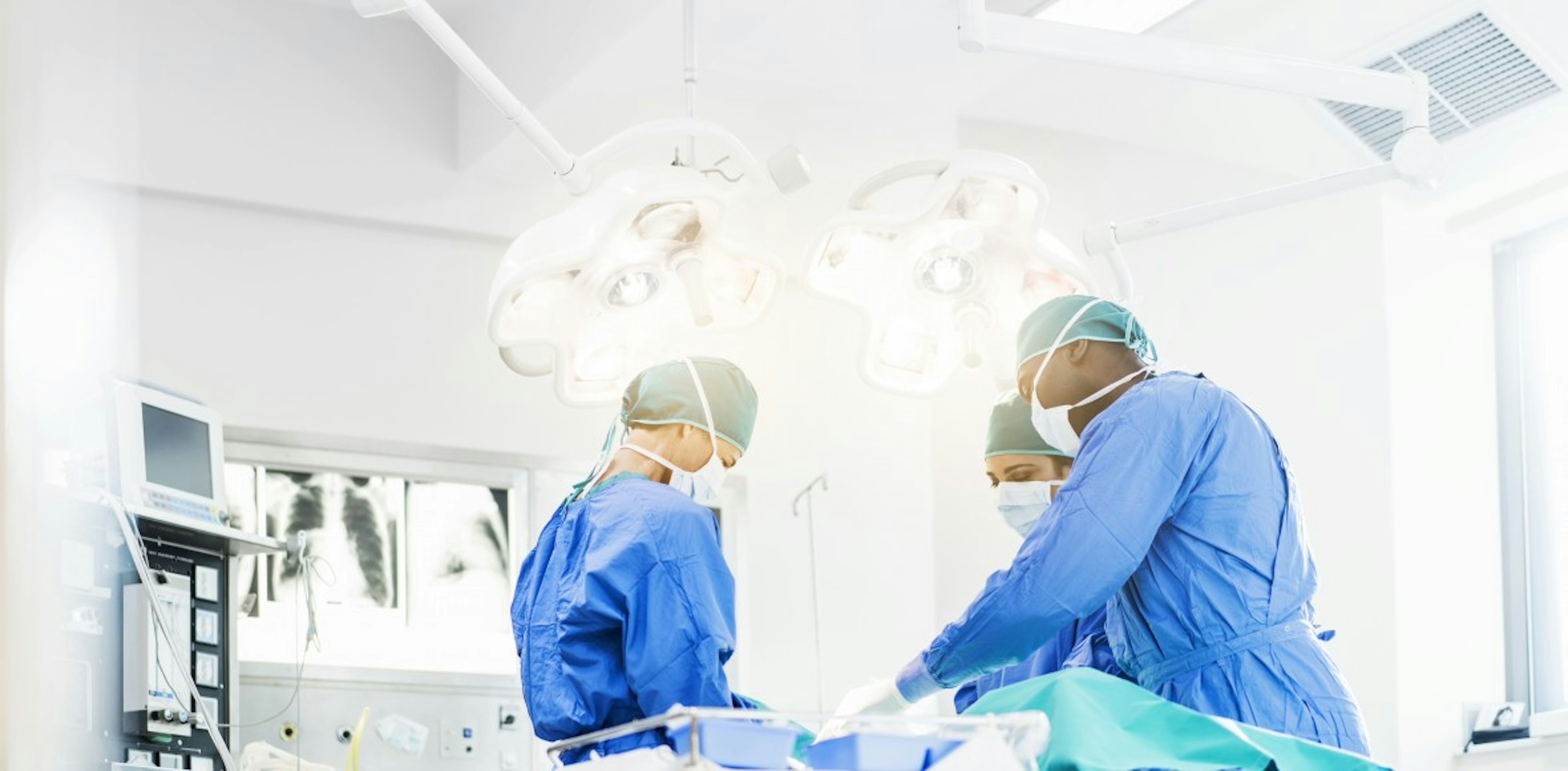
Can cleaner air in the OR protect patients from infection? As the superbug crisis worsens, it’s a question more researchers and hospitals are taking seriously. Patients infected during surgery are 60% more likely to be admitted to the intensive care unit and 5x more likely to be readmitted.

Why Hand Washing and Vaccination Aren't Enough for the Flu. Yes, the influenza virus is spread via surfaces, but just as often, it’s spread through the air. While sanitizing doorknobs and handrails helps, containing this relentless and often deadly virus requires cleaning the air too.

Asthma, Allergies, and Absenteesim. Given the huge toll the flu takes on schools, it’s a relief for staff when winter fades into spring and trees bloom. Except for this: the end of flu season means the beginning of allergy season.

Urban Air Pollution - It's Common Scents. Consumer products now cause as much air pollution as exhaust-spewing tailpipes. The culprit? VOCs from shampoos, perfumes, lotions, printer ink, cleaning solvents, glues, hand sanitizers, and other products that contain compounds refined from petroleum.
What are the Triggers? For any given case of sick building syndrome (SBS), the trigger can be hard to pinpoint. But this much is certain: SBS symptoms — headaches, nausea, fatigue, itchy skin, throat irritation, watery eyes, and impaired concentration — are linked with exposure to both chemical and biological contaminants.
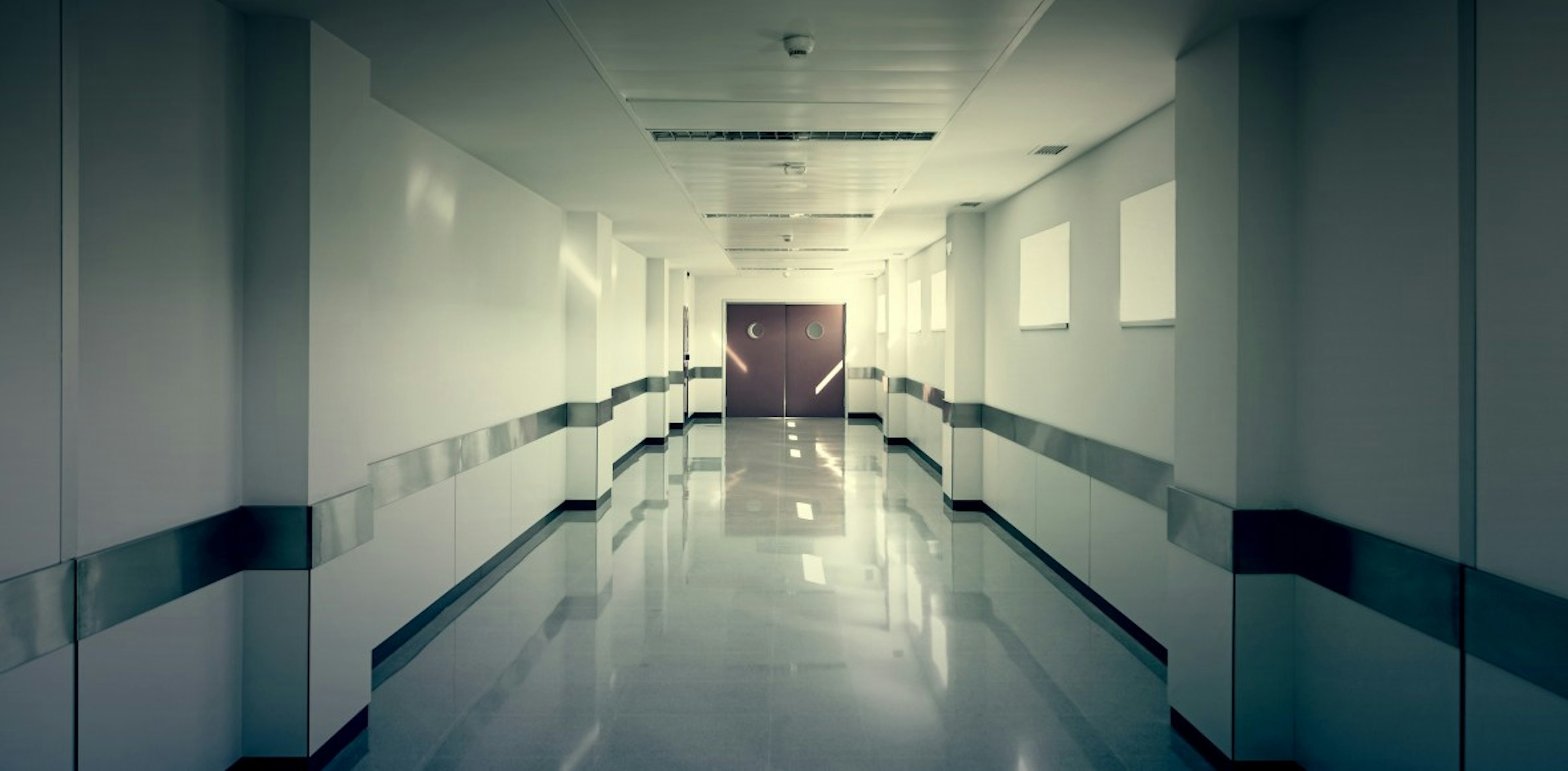
Sick Building Syndrome - It's Up In The [Hospital] Air. Many healthcare buildings meant to heal are making people sick. Sick building syndrome is common—especially in healthcare settings.

No Longer a Mystery, Still a Threat. In the summer of 1976, reports of a mysterious and terrifying infection outbreak dominated American news: 34 people died and 220 were hospitalized after visiting Philadelphia. Patients had headaches, chest pain, chills, and fevers up to 107 degrees. Autopsies revealed lungs that resembled Brillo pads.
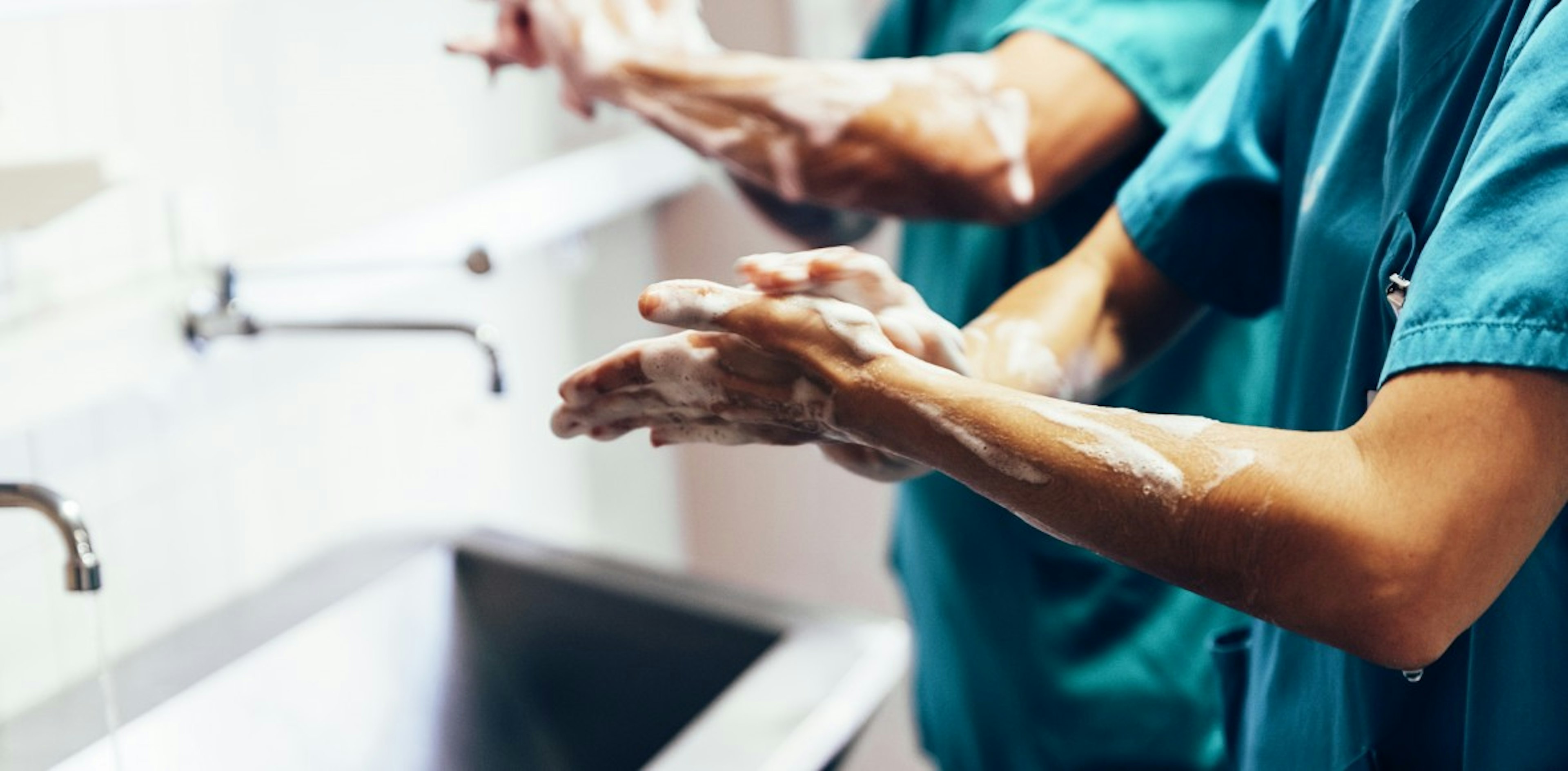
The Dirty Hand in the Latex Glove. Compliance with hand hygiene protocols remains “abysmally low,” according to the World Health Organization. According to researchers, the hands of doctors and nurses deposit and transmit potentially harmful microbes every 4 seconds onto patients and hospital surfaces.

Formaldehyde Health Risks and Why Source Control Matters. The presence of formaldehyde in everything from embalming fluid and hair straighteners to plywood adhesives and varnishes has prompted toxicologists and other researchers to scrutinize the chemical’s potential health impacts on a wide range of adults and children.

Hospitals around the world are facing a serious crisis: the spread of infection among patients. China is no exception. “Wards have become breeding grounds for microbial pathogens,” asserts Bingwei Sun, M.D., Ph.D., a hospital infection management expert at Jiangsu University in Zhenjiang.

Three Critical Strategies for Reducing Hospital-Acquired Infection. Given these challenges, any serious plan to control hospital-acquired infections requires a combination of three strategies...

Infection: Occupational Hazard for Healthcare Workers, Part 1. Given the massive infection crisis facing hospitals worldwide, protecting patients from pathogens is a priority. But what about protecting staff?

Infection: Occupational Hazard for Healthcare Workers, Part 2. Public health experts agree that Healthcare workers are at significant risk for catching and spreading infectious diseases. Hospitals must take “aggressive efforts” to prevent transmission of pathogens. Healthcare facilities should take these 4 steps to minimize infections among staff.
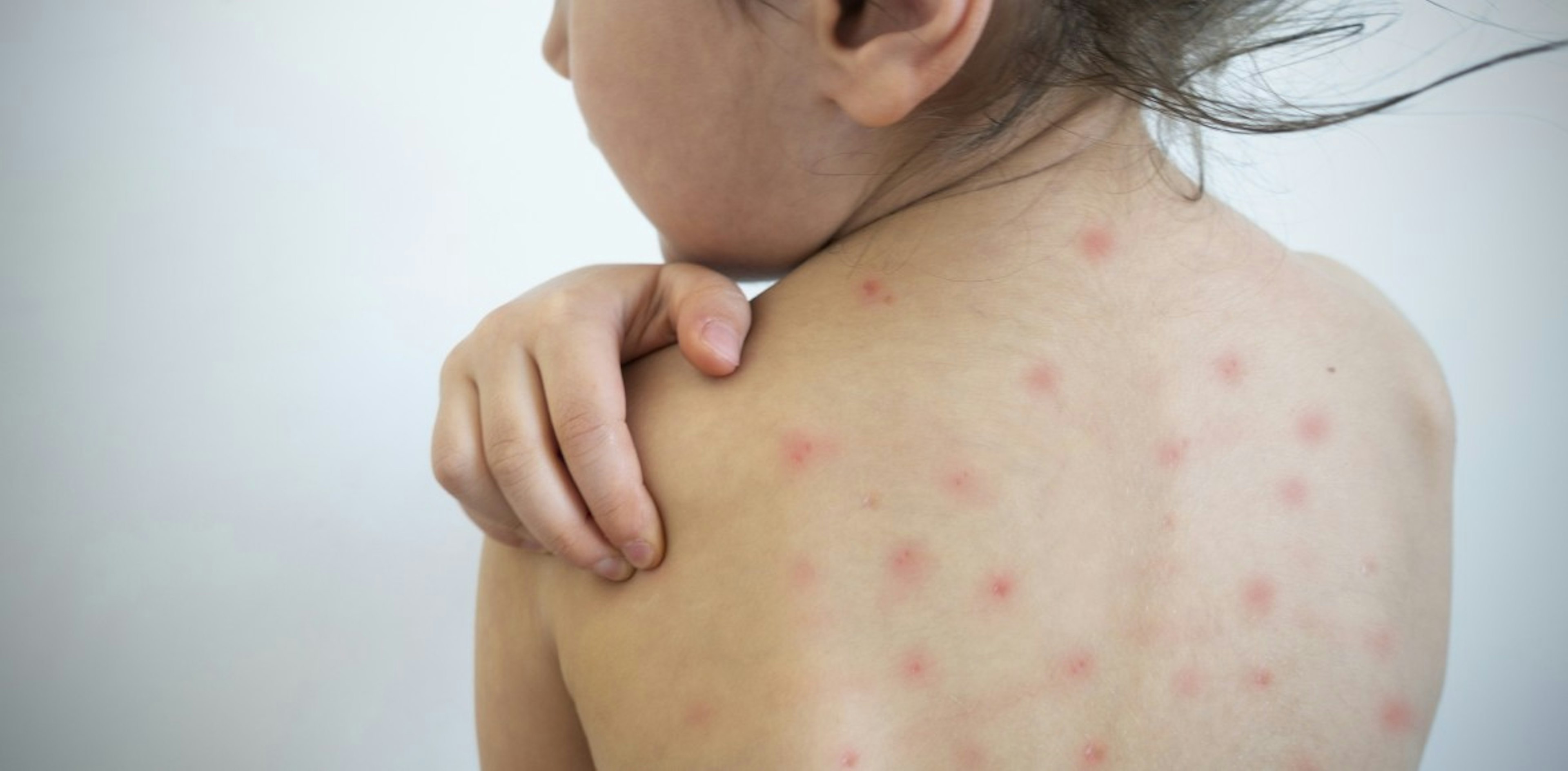
Nine days after her Mediterranean cruise, a woman in Sardinia developed a rash. She went to the emergency room and was diagnosed with measles. During her three-day hospital stay, she infected six others: a co-worker, a relative, three healthcare workers, and a hospital visitor.

By implementing new policies and new technology, hospitals can have a considerable impact in containing measles outbreaks. Read our 4 suggestions for what healthcare facilities can do to stop the spread of Measles.

“We need to face reality here,” says a virologist at the University of Sydney, who monitors bat viruses. “The next [pandemic] could come at any time. It could come in 50 years or in 10 years. Or it could be next year.”
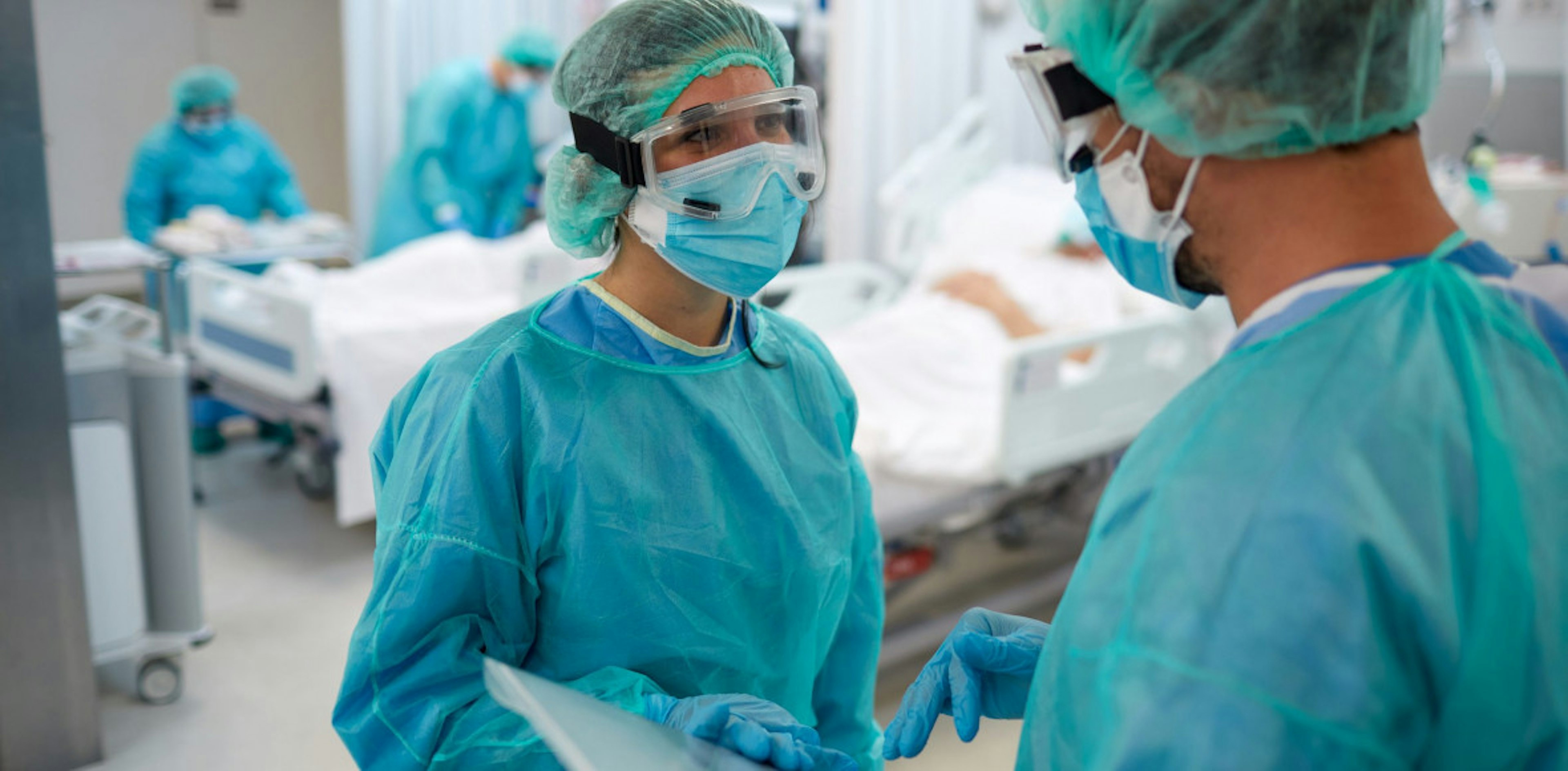
Hospitals need to prepare for the next Pandemic. When Covid-19 struck, overrun ERs lacked staff to care for infected patients. They had insufficient personal protective gear. Experts wrongly assumed SARS-CoV-2 did not spread via the air. As a result, Covid-19 ripped through hospitals.
The market for indoor air purification products exploded with the pandemic and it's here to stay. Join the HVAC Jerks, three guys who have spent way too much time in the HVAC industry and have plenty of fun producing weekly podcasts with the most interesting people in the trade.
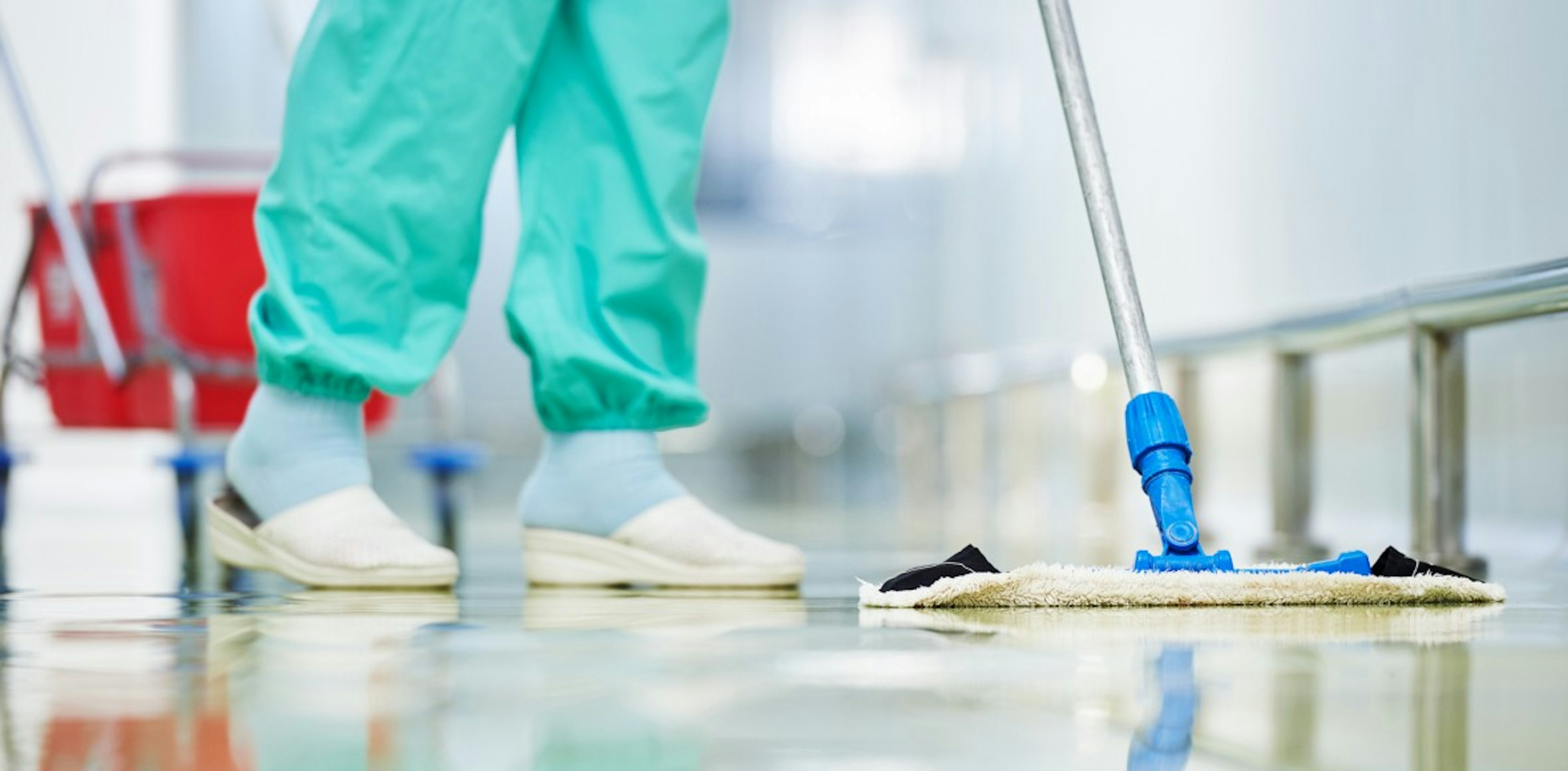
When a hospital patient checks out of a room, cleaning staff disinfect every item and surface to prevent the spread of infection. The TV remote, bedframe, call button cord, trash can lid, closet handles, door knobs. Bed linens and privacy curtains. Blinds and curtain rails. Dangerous infections still spread.

“Trash and Dash” In this era of hospital budget cutting, cleaning crews often have less than the 40 to 45 minutes recommended for between-patient room disinfection. Some hospital crews have just “15 minutes to disinfect a room between gravely ill patients.”
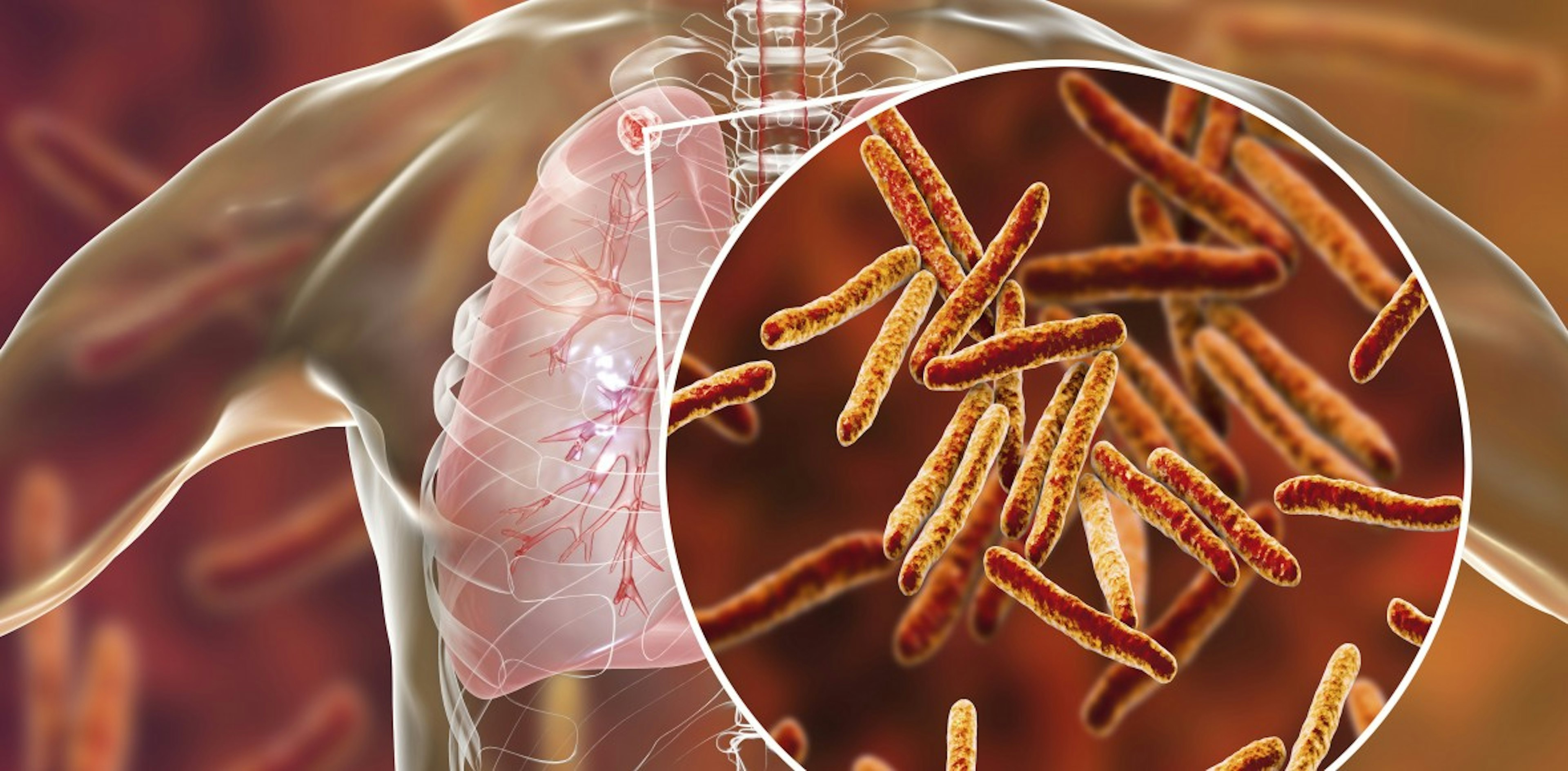
Tuberculosis Isn’t Over — Not by a Longshot. Over the course of human history — ancient Egypt, medieval Europe, and 19th-century North America — TB has surged and recessed, causing pain and death. It was during one period of recession, in 1915, that the New York Times warned of the “pressing” need to eradicate the disease.
A Deadly Superfungus - Part 1. In 2018, three children developed invasive aspergillosis, a severe and aggressive fungal disease at Seattle Children’s Hospital. The hospital traced the Aspergillus fungus, cleaned and sealed potential air leaks. Testing showed no further traces of the mold, but they were mistaken.

A Deadly Superfungus on the Rise - Part 2. About half of documented aspergillosis outbreaks have been traced to construction work within or near the hospitals. But many outbreaks aren't from construction but improper operation or poor maintenance of air ventilation systems. In one case, four German newborns in the NICU became infected, and three died.
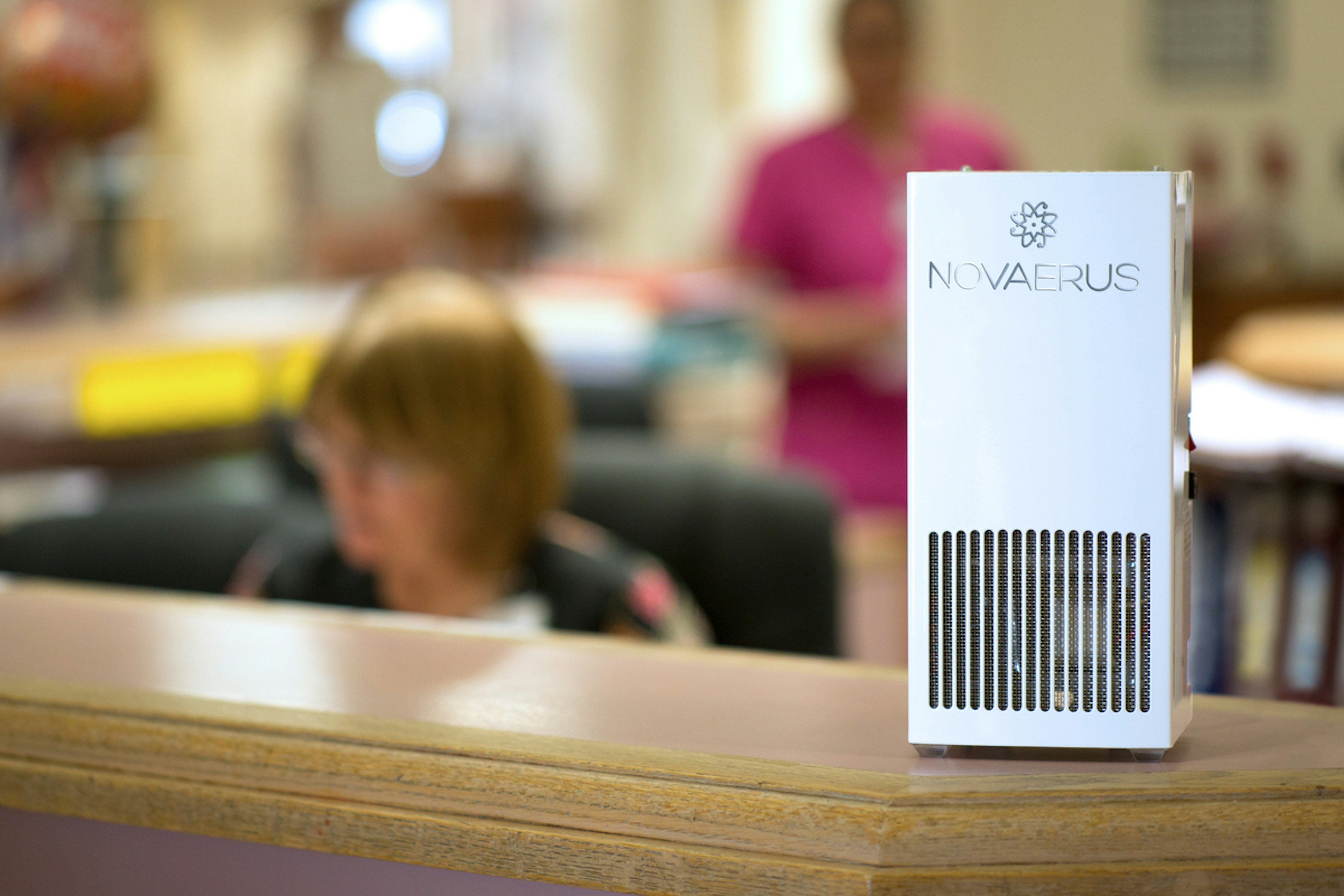
No hospital, in Hungary or elsewhere, is immune to the spread of dangerous infections among patients. Each day, an estimated 1.4 million patients worldwide contract an infection while hospitalized. In Hungary, more than 15,000 hospital patients become infected, and hundreds die from their infections. Hospitals chose to install Novaerus.

Infection outbreaks have been traced to all kinds of contaminated surfaces. But even the best hand hygiene and surface cleaning will not suffice because about one-third of all hospital acquired infections involve airborne transmission. It's time to clean the air.
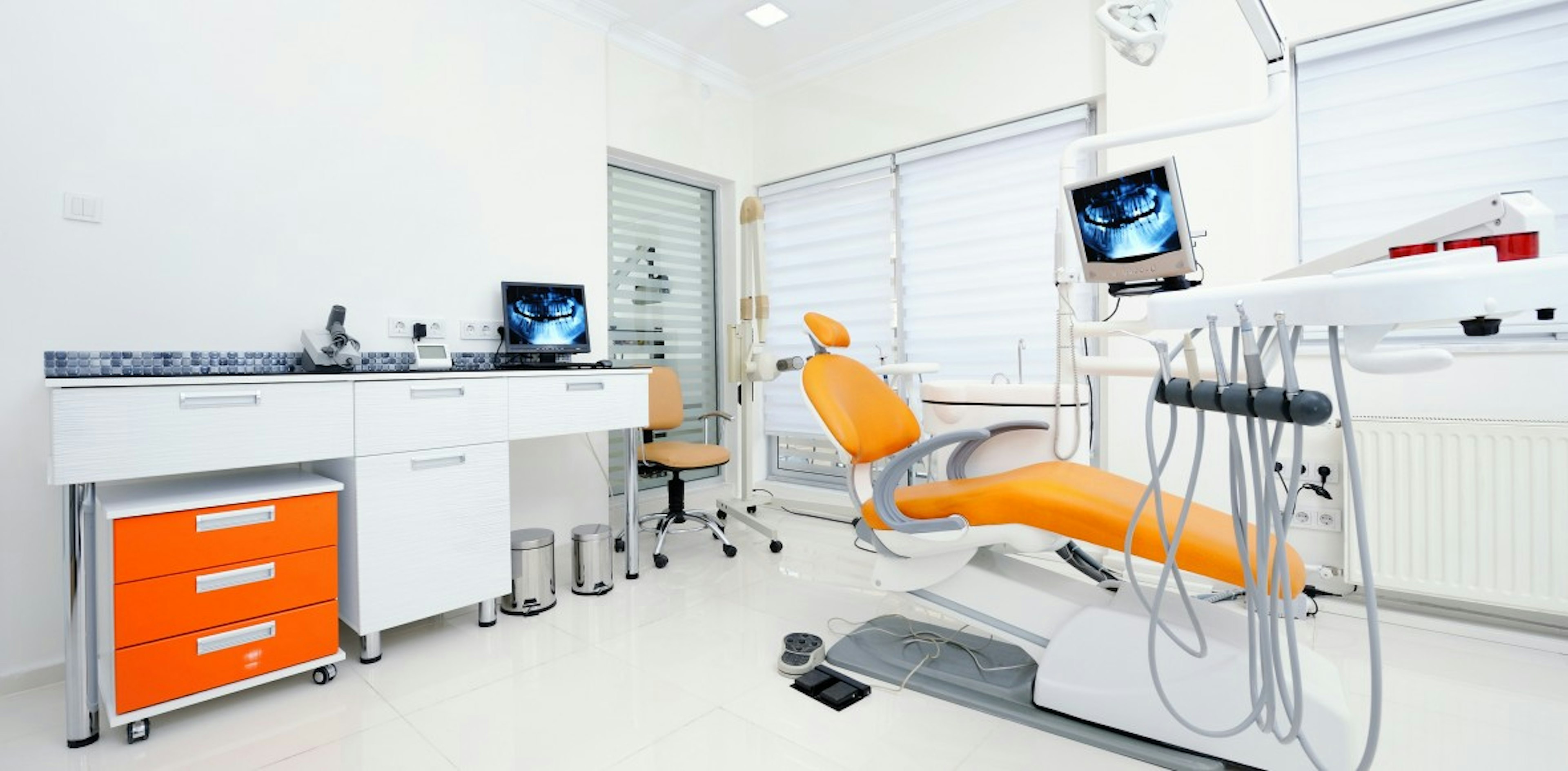
Disinfecting the “Toxic Cloud” - Part 1. Walk around a dental clinic and the dominant sounds — drilling, scraping, suctioning, spraying — are less obvious indicators of airborne pathogens. But make no mistake: the air inside dental clinics, contaminated by aerosols and splatter from treatments, spreads a range of harmful microbes.
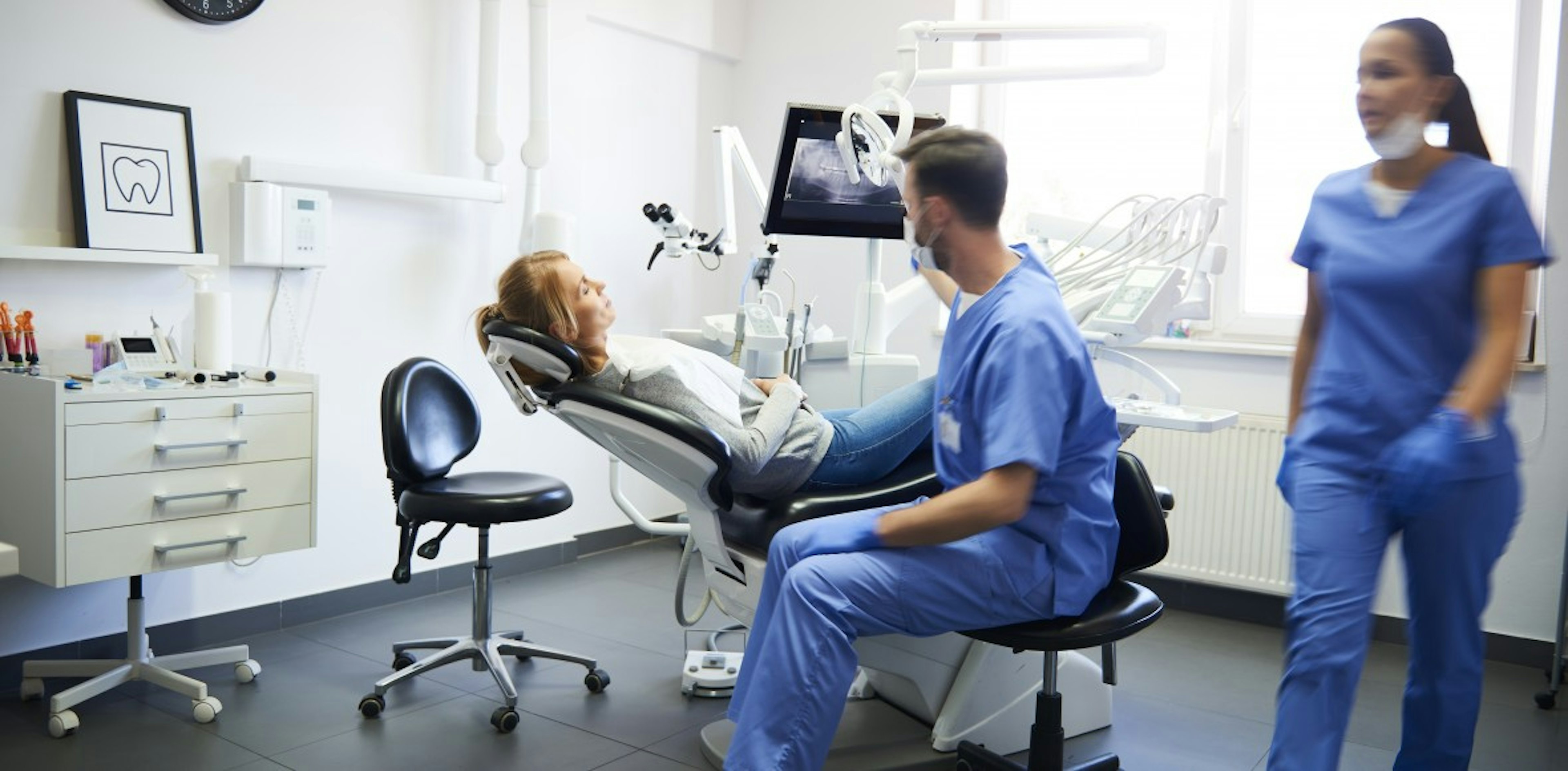
Disinfecting the “Toxic Cloud” – Part 2. Dental clinics are at greater risk for indoor air pollution because of the materials used in treatments. Among the most toxic may be methyl methacrylate, a monomer of acrylic resin used in dentures and cement.
How Hospitals Can Protect Patients from Infection. VRE, CRE, C. diff., CRKP — healthcare facilities have no shortage of dangerous bacteria to contend with. Among the most worrisome in this alphabet soup of superbugs is MRSA.
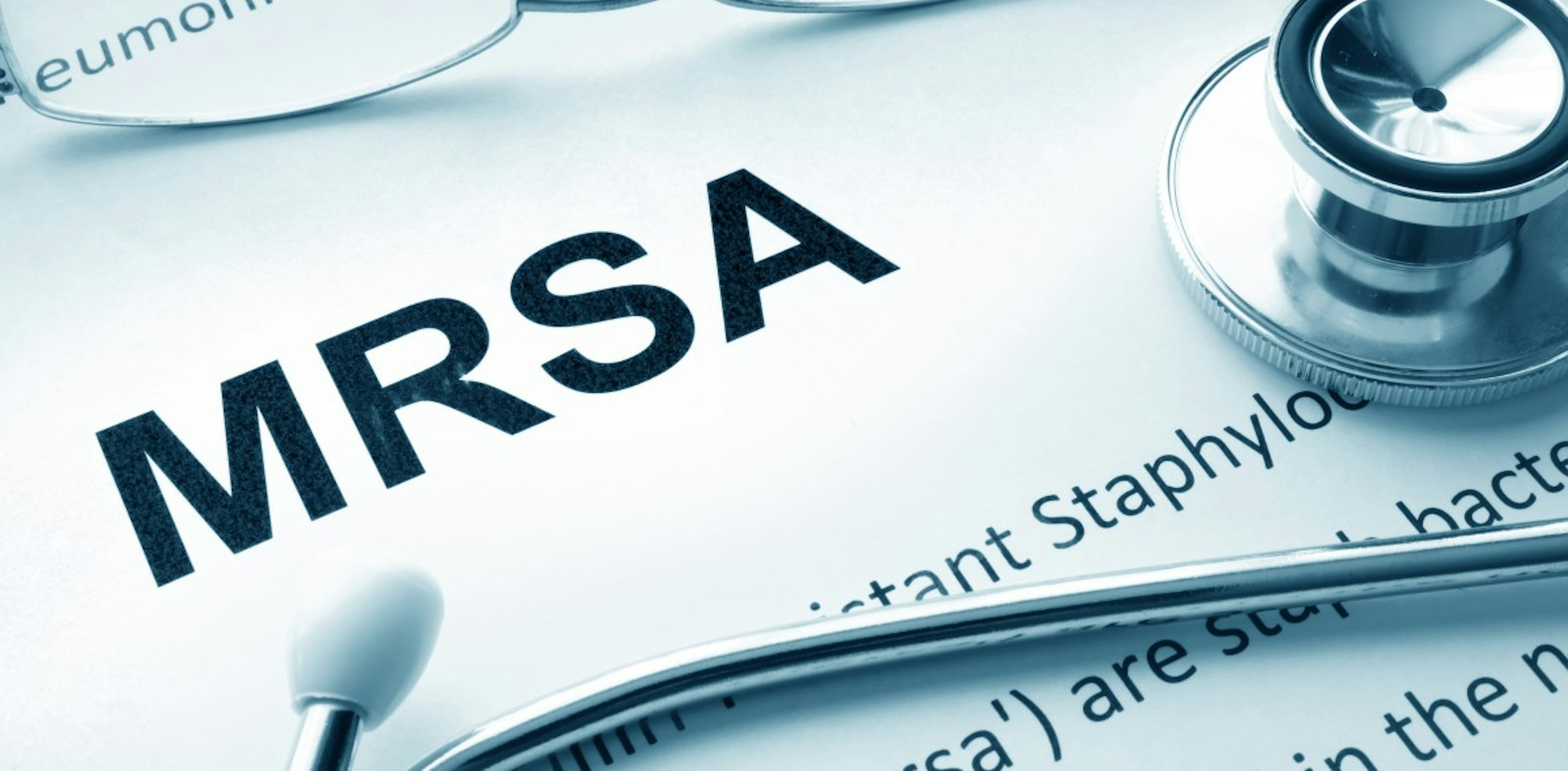
How Hospitals Can Protect Patients from Infection. Surfaces can become contaminated with MRSA by the touch of an infected person or when airborne MRSA particles settle on these surfaces. Airborne MRSA droplets hover in healthcare facilities and play a role in MRSA colonization and infection, especially via a patient’s nasal cavity and respiratory tract.

The Fiscal Case for Fighting Hospital Acquired Infections - Part 1. In 2014, an outbreak of carbapenemase-producing Enterobacteriaceae (CPE), the “nightmare superbug,” struck 40 patients in five West London hospitals. The outbreak took 10 months to contain and the cost was enormous: 1,206 bed-days lost and €1.1 million ($1.2M) spent.
The Fiscal Case for Fighting Hospital Acquired Infections - Part 2. Costs spike by $6,000 to $30,000 per patient with superbug infections. The last-resort drugs required to treat these infections are expensive and toxic, with side effects that require more treatment.

The ICU: Where Lethal Pathogens Lurk - Part 1. Some of the gravest threats to ICU patients are silent and invisible: the pathogens floating in the air and coating the bed rails, doorknobs, and countless other surfaces.

The ICU: Where Lethal Pathogens Lurk - Part 2. MRSA isn’t the only threat in the ICU. Critically ill patients also face dangerous fungal infections, especially when airborne spores are released during hospital construction.
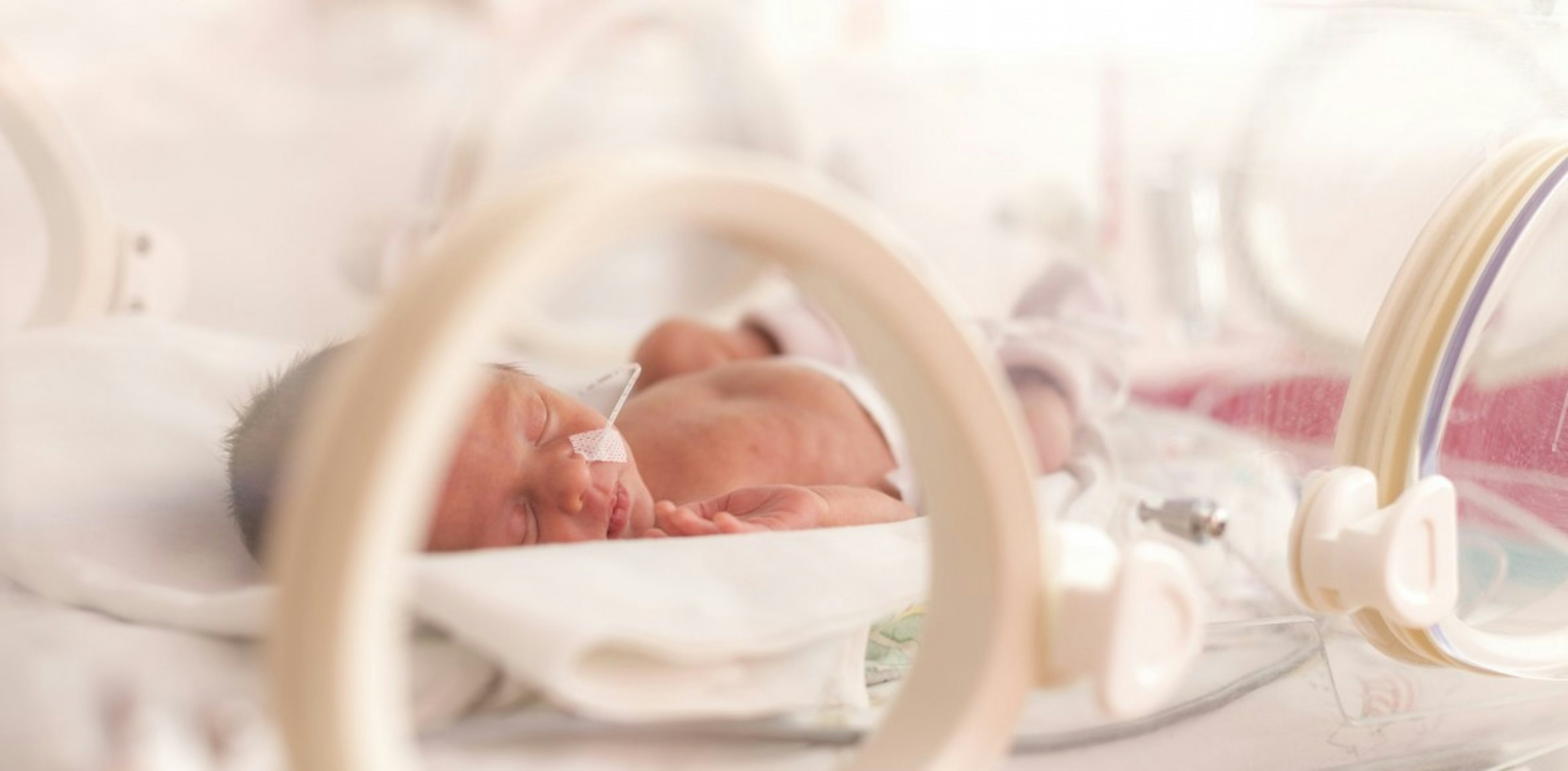
Late one summer at the Children’s Hospital of Philadelphia, routine microbiological surveillance revealed in over four weeks, 23 newborns tested positive for adenovirus. Not a single NICU patient had been infected with the virus the entire previous year.
Though the majority of NICU infections are bacterial, nosocomial viral infections have been widely reported, including outbreaks of syncytial virus (RSV), influenza H1N1, rotavirus, adenovirus, enterovirus, and norovirus.
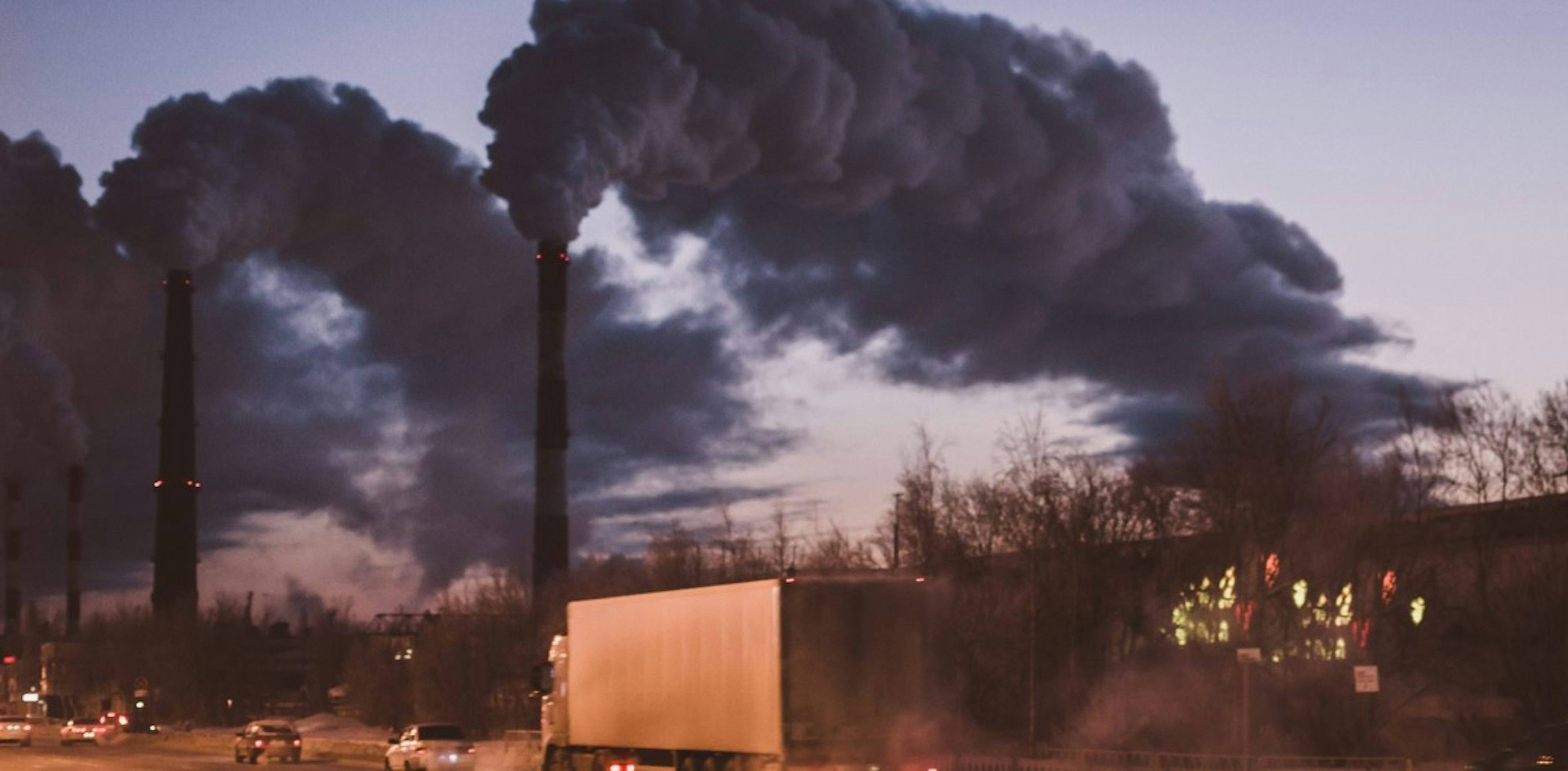
How Hospitals Can Protect Patients from PM 2.5 Air Pollution. Hazardous air is not just a periodic or outdoor threat; pollution is a continuous health crisis worldwide, and building interiors, including hospitals, are no safe haven from airborne toxins.

How Hospitals Can Protect Patients from PM2.5 Air Pollution. While major pollution spikes make headlines, many areas face dangerous pollution levels daily. In fact, 91% of the world’s population lives in areas that don't meet WHO air quality standards, putting hospitals and patients at serious risk.
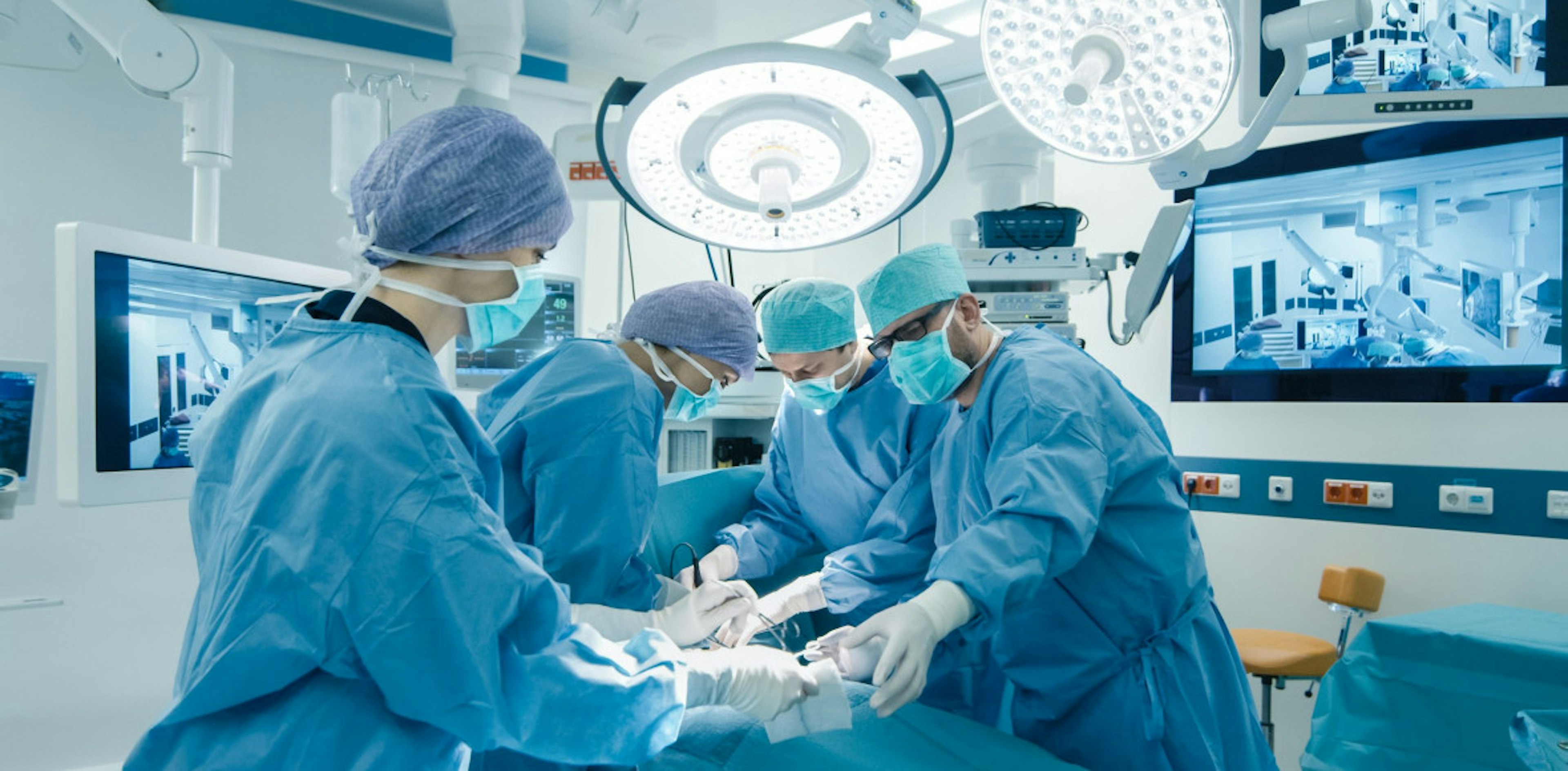
Part 1. Preventing Airborne Infection in the Operating Room. Surgical site infections (SSI), the costliest and most feared of all healthcare acquired infections, plague hospitals worldwide. 80% to 90% of SSI infections are triggered by pathogens that descended from the air.

Part 2. Preventing Airborne Infection in the Operating Room. In orthopedic and cardiothoracic operations, in particular, “the risk of surgical site infection is strongly correlated with the amount of airborne bacteria being present in the operating room and the surgical field."
Affordable Air & Heating, a trusted residential contractor serving California’s Central Valley, helps customers improve indoor air quality without adding complexity, cost, or maintenance headaches. They install PlasmaPURE.
How Summer Heat Affects Indoor Air Quality—and What To Do. Americans spending an estimated 90% of their time indoors so clean indoor air becomes critical during hot weather months. WellAir can help!
For more than 25 years, Ready & Able has served homeowners in Central Pennsylvania with trusted heating, cooling, and plumbing solutions. And they offer PlasmaPURE residential HVAC air purification products.
Groesbeck ISD Enhances Indoor Air Quality for Early Learners. The success of the Novaerus Protect 900 solutions in Groesbeck ISD’s early childhood spaces is clear: improved attendance, enhanced wellness for students and staff, and a healthier learning environment.
Partnering with WellAir, the Purchase District Health Department prioritized the health and safety of its staff and the community, demonstrating a strong commitment to community welfare. Read the Case Study.
A Modern Approach to Cleaner Air in Wastewater Treatment. Clifton Sanitation's strategic shift to Plasma Air's 7000 Series not only ensured a safer and healthier working environment but also positioned them for continued success in wastewater treatment, embodying their commitment to excellence, employee well-being, and environmental responsibility.
Jarvis Estate Offers the Best of Everything. Jarvis Estate Winery in Napa, California provides customers with the best of everything including world-class cabernets and WellAir Air disinfection technology. Read more about how Jarvis Estate Winery uses WellAir.
How Plasma Air Helped One Family Recover from a House Fire. One stormy night in Texas, a lightning bolt struck Alistair's home. The resulting fire was extinguished but the stench of burnt plastic and chemicals stayed in the air. Alistair's neighbor, an HVAC specialist, recommended Plasma Air.
Overlooked, Toxic, and on the Rise. As the planet becomes hotter and wetter, mold is becoming a more persistent headache for schools and commercial buildings, eating up operational budgets and generating negative publicity.
A Layered Approach to Indoor Air Quality. As we begin to better understand the link between IAQ and wellness, active air purification technologies, such as bipolar ionization, hold tremendous promise to make indoor spaces healthier for all.
As a part of our WellAir Dealer Q&A series, we had an opportunity to talk with another successful Elite dealer, Carolina Comfort in Columbia, SC. We spoke with Cole Mitchell, the Director of Marketing who has been with the company since 2016.
The growth of wellness travel has driven demand for hotel technology that limits the spread of allergens and other potentially harmful airborne particles. HVAC systems in hotels can play a significant role in improving indoor air quality and reducing allergens.
Part 1. Aerosols Are Infectious, and More Dangerous Than Droplets. Covid-19 aerosols have been proven infectious and more dangerous than droplets. In this blog post we take a look at how the aerosol debate around measles in the 1980s and how health officials reacted.
Plasma Air ionization solutions deployed in one of the world’s largest rail systems in Riyadh, Saudi Arabia.
Managing Indoor Air Quality During Air Quality Alerts and Extreme Heat. Outside air intake, necessary to providing proper ventilation for healthy indoor environments, presents a challenging situation when temperatures rise. It must be properly cooled for indoor use.
50M people in the United States suffer from allergies! As pollen, dust and pet dander run rampant through your customers’ homes, allergies can worsen. Fortunately, Plasma Air has a solution that works continuously to eliminate airborne allergens inside the home.
Part 1 of 2. When the world gained control over COVID-19, infection control experts didn't get a reprieve. To the contrary, hospitals need to confront the “pandemic lying in wait”: antibiotic resistance.
When Motion Spreads Infection. Back in the 1950s, cartoonist Charles Schulz introduced Pig-Pen, an amiable boy known for the cloud of dirt and dust that follows him everywhere. In truth, we’re all dust magnets, and this fact may play a role in the airborne spread of disease.
Part 2, Three Ways to Prevent Infection Spread. Compared to hospitals of the same size, long-term care facilities have four times fewer infection-prevention specialists. So, nursing homes must be particularly innovative in their approach. Read part 2 of the blog series to learn three critical and cost-effective strategies.
Part 2. Four Ways to Fight Airborne Clostridium Difficile (C. diff). Infection-control experts agree: containing CDI is an urgent global priority, given the emergence of more potent C. difficile strains and the ageing of the developed world’s population. Here are 4 approaches that can dramatically reduce the spread of C. difficile at hospitals and nursing homes.
IVF in China, Part 2. Around the globe, IVF regulating authorities are paying more attention to laboratory air quality. One problem: government regulations treat IVF labs as surgical facilities. Requirements focus on infection control, instead of VOCs, aldehydes, particulates, and other chemical emissions - these all decrease IVF success.
Why Hand Washing and Vaccination Aren't Enough for the Flu. Yes, the influenza virus is spread via surfaces, but just as often, it’s spread through the air. While sanitizing doorknobs and handrails helps, containing this relentless and often deadly virus requires cleaning the air too.
Urban Air Pollution - It's Common Scents. Consumer products now cause as much air pollution as exhaust-spewing tailpipes. The culprit? VOCs from shampoos, perfumes, lotions, printer ink, cleaning solvents, glues, hand sanitizers, and other products that contain compounds refined from petroleum.
Sick Building Syndrome - It's Up In The [Hospital] Air. Many healthcare buildings meant to heal are making people sick. Sick building syndrome is common—especially in healthcare settings.
The Dirty Hand in the Latex Glove. Compliance with hand hygiene protocols remains “abysmally low,” according to the World Health Organization. According to researchers, the hands of doctors and nurses deposit and transmit potentially harmful microbes every 4 seconds onto patients and hospital surfaces.
Hospitals around the world are facing a serious crisis: the spread of infection among patients. China is no exception. “Wards have become breeding grounds for microbial pathogens,” asserts Bingwei Sun, M.D., Ph.D., a hospital infection management expert at Jiangsu University in Zhenjiang.
Infection: Occupational Hazard for Healthcare Workers, Part 1. Given the massive infection crisis facing hospitals worldwide, protecting patients from pathogens is a priority. But what about protecting staff?
Nine days after her Mediterranean cruise, a woman in Sardinia developed a rash. She went to the emergency room and was diagnosed with measles. During her three-day hospital stay, she infected six others: a co-worker, a relative, three healthcare workers, and a hospital visitor.
“We need to face reality here,” says a virologist at the University of Sydney, who monitors bat viruses. “The next [pandemic] could come at any time. It could come in 50 years or in 10 years. Or it could be next year.”
The market for indoor air purification products exploded with the pandemic and it's here to stay. Join the HVAC Jerks, three guys who have spent way too much time in the HVAC industry and have plenty of fun producing weekly podcasts with the most interesting people in the trade.
“Trash and Dash” In this era of hospital budget cutting, cleaning crews often have less than the 40 to 45 minutes recommended for between-patient room disinfection. Some hospital crews have just “15 minutes to disinfect a room between gravely ill patients.”
A Deadly Superfungus - Part 1. In 2018, three children developed invasive aspergillosis, a severe and aggressive fungal disease at Seattle Children’s Hospital. The hospital traced the Aspergillus fungus, cleaned and sealed potential air leaks. Testing showed no further traces of the mold, but they were mistaken.
No hospital, in Hungary or elsewhere, is immune to the spread of dangerous infections among patients. Each day, an estimated 1.4 million patients worldwide contract an infection while hospitalized. In Hungary, more than 15,000 hospital patients become infected, and hundreds die from their infections. Hospitals chose to install Novaerus.
Disinfecting the “Toxic Cloud” - Part 1. Walk around a dental clinic and the dominant sounds — drilling, scraping, suctioning, spraying — are less obvious indicators of airborne pathogens. But make no mistake: the air inside dental clinics, contaminated by aerosols and splatter from treatments, spreads a range of harmful microbes.
How Hospitals Can Protect Patients from Infection. VRE, CRE, C. diff., CRKP — healthcare facilities have no shortage of dangerous bacteria to contend with. Among the most worrisome in this alphabet soup of superbugs is MRSA.
The Fiscal Case for Fighting Hospital Acquired Infections - Part 1. In 2014, an outbreak of carbapenemase-producing Enterobacteriaceae (CPE), the “nightmare superbug,” struck 40 patients in five West London hospitals. The outbreak took 10 months to contain and the cost was enormous: 1,206 bed-days lost and €1.1 million ($1.2M) spent.
The ICU: Where Lethal Pathogens Lurk - Part 1. Some of the gravest threats to ICU patients are silent and invisible: the pathogens floating in the air and coating the bed rails, doorknobs, and countless other surfaces.
Late one summer at the Children’s Hospital of Philadelphia, routine microbiological surveillance revealed in over four weeks, 23 newborns tested positive for adenovirus. Not a single NICU patient had been infected with the virus the entire previous year.
How Hospitals Can Protect Patients from PM 2.5 Air Pollution. Hazardous air is not just a periodic or outdoor threat; pollution is a continuous health crisis worldwide, and building interiors, including hospitals, are no safe haven from airborne toxins.
Part 1. Preventing Airborne Infection in the Operating Room. Surgical site infections (SSI), the costliest and most feared of all healthcare acquired infections, plague hospitals worldwide. 80% to 90% of SSI infections are triggered by pathogens that descended from the air.
The Health Risks and Hidden Dangers of Indoor Mold. Mold is more than just an ugly nuisance—it’s a hidden health hazard that can silently compromise the well-being of those living or working in affected buildings.
The Health Effects of Breathing Wildfire Smoke Over Time. Wildfire smoke carries fine particulates, VOCs, and toxins that threaten respiratory and heart health. Because wind carries toxic air far from active fires, proactive indoor air protection is essential.
J & J Sheet Metal of Michigan has made PlasmaPURE air purification a key part of their service offerings. “We chose PlasmaPURE because it’s low maintenance and delivers real results for our customers,” shared the team at J & J. “It’s an advanced technology that feels effortless.”
Harker Heating & Cooling is helping Wisconsin families enjoy cleaner, healthier air with WellAir's PlasmaPURE products.
The global ductless heating and cooling systems market is projected to surpass $200B by 2030, making it clear that more and more owners are choosing to go ductless for its energy efficiency, flexibility and reliability. The PlasmaPURE 600 Series unit is uniquely small in size. Read more on how, where, and why you should install.
Indoor Air Quality on Buses. By combining its soft ionization technology with ventilation and filters, Plasma Air offers a safe, comprehensive, and cost-efficient solution to improve indoor air quality as part of a multi-layered approach in buses.
A History of Bipolar Ionization and Plasma Air. This technical brief provides an overview of bipolar ionization. It highlights the Plasma Air's needlepoint bipolar ionization technology, our UL 2998 verified products, along with our efficacy and safety standards.
Hand hygiene and surface cleaning are not enough. In the Clinical Services Journal, experts argue that the use of air decontamination systems to improve indoor air quality should be considered as part of infection prevention and control strategies.
We Need a Common Set of Standards for Indoor Air Quality. In a recent study, U.S. workers ranked indoor air quality as their number-one concern about returning to the workplace. We share our experience and insight on IAQ in commercial environments.
Summer Assignment: Fix School IAQ to Protect Students in the Fall. Our Chief Science Officer Felipe Soberón shares his experience and insight. "I've seen the profound effects that air quality can have on our health and well-being. If we don’t take appropriate action today in our schools, we may look back on this moment as a missed turning point for healthy air in education."
WellAir Air Cleaning and Purification Devices in Intensive Care Units. This peer-reviewed study was carried out on WellAir Air Cleaning and Purification Devices. The study highlights the number of microorganisms in the air and evaluates the effectiveness of air purifiers in reducing the rate of nosocomial infections within the ICU.
The WellAir team recently had a chance to connect with Matt Binning, the Service Manager at Alcorn Aire in Bakersville, CA, one of WellAir’s successful Elite Dealers. In this interview Matt explains how his company is winning by offering Plasma Air’s ionizers on every job.
Part 2. Aerosols Are Infectious + More Dangerous than Droplets. Many Covid-19 precautions (plexiglass dividers, desks spaced 6 feet apart, reduced restaurant occupancy) are premised on the notion that large droplets, from sneezes and coughs, pose the greatest danger to vulnerable people. This is not the case.
Plasma Air is leading the IAQ revolution. Our IAQ Procedure Software, PlasmaSoft, provides engineers, facility owners and operators a fast, simple and effective way to reduce expenses, while maintaining superior indoor air quality.
HVAC Contractors Should Offer Air Purification for Homeowners. Every household benefits from cleaner air, and having an HVAC contractor install PlasmaPURE directly into the home’s duct system is one of the most effective ways to improve IAQ.
Thirdhand Smoke – A Lingering Health Threat. First and secondhand smoke are well known to be harmful, so it’s mostly banned indoors. But new research shows that keeping smoke out of sight and smelll isn’t enough to stay safe.
Part 2 of 2. TB is ranked as the world’s leading infectious disease killer. Drug-resistant forms of the disease account for about 1 in 3 of all deaths worldwide caused by drug resistent infections.
Part 1, An Expensive and Increasing Threat. Hospitals get most of the attention in the infection crisis, but nursing homes face a growing, often overlooked and expensive threat — one that will worsen as the population ages and antimicrobial resistance rises.
Part 1. Four Ways to Fight Airborne Clostridium Difficile. For decades, Clostridium difficile infection (CDI, or C. diff) was dismissed by doctors as “annoying but easy to treat”. No longer. Resistant to traditional antibiotics, new strains cause painful abdominal cramping, fever, nausea, dehydration, and severe diarrhea. Devastating for some patients, fatal for others.
IVF in China, Part 1. Lab air quality has such a striking impact on embryo development that an international team of experts deemed air filtration “essential” for maximizing implantation and live birth rates. Removing airborne toxins in the lab is now considered critical to IVF success.
Can cleaner air in the OR protect patients from infection? As the superbug crisis worsens, it’s a question more researchers and hospitals are taking seriously. Patients infected during surgery are 60% more likely to be admitted to the intensive care unit and 5x more likely to be readmitted.
Asthma, Allergies, and Absenteesim. Given the huge toll the flu takes on schools, it’s a relief for staff when winter fades into spring and trees bloom. Except for this: the end of flu season means the beginning of allergy season.
What are the Triggers? For any given case of sick building syndrome (SBS), the trigger can be hard to pinpoint. But this much is certain: SBS symptoms — headaches, nausea, fatigue, itchy skin, throat irritation, watery eyes, and impaired concentration — are linked with exposure to both chemical and biological contaminants.
No Longer a Mystery, Still a Threat. In the summer of 1976, reports of a mysterious and terrifying infection outbreak dominated American news: 34 people died and 220 were hospitalized after visiting Philadelphia. Patients had headaches, chest pain, chills, and fevers up to 107 degrees. Autopsies revealed lungs that resembled Brillo pads.
Formaldehyde Health Risks and Why Source Control Matters. The presence of formaldehyde in everything from embalming fluid and hair straighteners to plywood adhesives and varnishes has prompted toxicologists and other researchers to scrutinize the chemical’s potential health impacts on a wide range of adults and children.
Three Critical Strategies for Reducing Hospital-Acquired Infection. Given these challenges, any serious plan to control hospital-acquired infections requires a combination of three strategies...
Infection: Occupational Hazard for Healthcare Workers, Part 2. Public health experts agree that Healthcare workers are at significant risk for catching and spreading infectious diseases. Hospitals must take “aggressive efforts” to prevent transmission of pathogens. Healthcare facilities should take these 4 steps to minimize infections among staff.
By implementing new policies and new technology, hospitals can have a considerable impact in containing measles outbreaks. Read our 4 suggestions for what healthcare facilities can do to stop the spread of Measles.
Hospitals need to prepare for the next Pandemic. When Covid-19 struck, overrun ERs lacked staff to care for infected patients. They had insufficient personal protective gear. Experts wrongly assumed SARS-CoV-2 did not spread via the air. As a result, Covid-19 ripped through hospitals.
When a hospital patient checks out of a room, cleaning staff disinfect every item and surface to prevent the spread of infection. The TV remote, bedframe, call button cord, trash can lid, closet handles, door knobs. Bed linens and privacy curtains. Blinds and curtain rails. Dangerous infections still spread.
Tuberculosis Isn’t Over — Not by a Longshot. Over the course of human history — ancient Egypt, medieval Europe, and 19th-century North America — TB has surged and recessed, causing pain and death. It was during one period of recession, in 1915, that the New York Times warned of the “pressing” need to eradicate the disease.
A Deadly Superfungus on the Rise - Part 2. About half of documented aspergillosis outbreaks have been traced to construction work within or near the hospitals. But many outbreaks aren't from construction but improper operation or poor maintenance of air ventilation systems. In one case, four German newborns in the NICU became infected, and three died.
Infection outbreaks have been traced to all kinds of contaminated surfaces. But even the best hand hygiene and surface cleaning will not suffice because about one-third of all hospital acquired infections involve airborne transmission. It's time to clean the air.
Disinfecting the “Toxic Cloud” – Part 2. Dental clinics are at greater risk for indoor air pollution because of the materials used in treatments. Among the most toxic may be methyl methacrylate, a monomer of acrylic resin used in dentures and cement.
How Hospitals Can Protect Patients from Infection. Surfaces can become contaminated with MRSA by the touch of an infected person or when airborne MRSA particles settle on these surfaces. Airborne MRSA droplets hover in healthcare facilities and play a role in MRSA colonization and infection, especially via a patient’s nasal cavity and respiratory tract.
The Fiscal Case for Fighting Hospital Acquired Infections - Part 2. Costs spike by $6,000 to $30,000 per patient with superbug infections. The last-resort drugs required to treat these infections are expensive and toxic, with side effects that require more treatment.
The ICU: Where Lethal Pathogens Lurk - Part 2. MRSA isn’t the only threat in the ICU. Critically ill patients also face dangerous fungal infections, especially when airborne spores are released during hospital construction.
Though the majority of NICU infections are bacterial, nosocomial viral infections have been widely reported, including outbreaks of syncytial virus (RSV), influenza H1N1, rotavirus, adenovirus, enterovirus, and norovirus.
How Hospitals Can Protect Patients from PM2.5 Air Pollution. While major pollution spikes make headlines, many areas face dangerous pollution levels daily. In fact, 91% of the world’s population lives in areas that don't meet WHO air quality standards, putting hospitals and patients at serious risk.
Part 2. Preventing Airborne Infection in the Operating Room. In orthopedic and cardiothoracic operations, in particular, “the risk of surgical site infection is strongly correlated with the amount of airborne bacteria being present in the operating room and the surgical field."
Affordable Air & Heating, a trusted residential contractor serving California’s Central Valley, helps customers improve indoor air quality without adding complexity, cost, or maintenance headaches. They install PlasmaPURE.
The Health Effects of Breathing Wildfire Smoke Over Time. Wildfire smoke carries fine particulates, VOCs, and toxins that threaten respiratory and heart health. Because wind carries toxic air far from active fires, proactive indoor air protection is essential.
Groesbeck ISD Enhances Indoor Air Quality for Early Learners. The success of the Novaerus Protect 900 solutions in Groesbeck ISD’s early childhood spaces is clear: improved attendance, enhanced wellness for students and staff, and a healthier learning environment.
The global ductless heating and cooling systems market is projected to surpass $200B by 2030, making it clear that more and more owners are choosing to go ductless for its energy efficiency, flexibility and reliability. The PlasmaPURE 600 Series unit is uniquely small in size. Read more on how, where, and why you should install.
Jarvis Estate Offers the Best of Everything. Jarvis Estate Winery in Napa, California provides customers with the best of everything including world-class cabernets and WellAir Air disinfection technology. Read more about how Jarvis Estate Winery uses WellAir.
Hand hygiene and surface cleaning are not enough. In the Clinical Services Journal, experts argue that the use of air decontamination systems to improve indoor air quality should be considered as part of infection prevention and control strategies.
A Layered Approach to Indoor Air Quality. As we begin to better understand the link between IAQ and wellness, active air purification technologies, such as bipolar ionization, hold tremendous promise to make indoor spaces healthier for all.
WellAir Air Cleaning and Purification Devices in Intensive Care Units. This peer-reviewed study was carried out on WellAir Air Cleaning and Purification Devices. The study highlights the number of microorganisms in the air and evaluates the effectiveness of air purifiers in reducing the rate of nosocomial infections within the ICU.
Part 1. Aerosols Are Infectious, and More Dangerous Than Droplets. Covid-19 aerosols have been proven infectious and more dangerous than droplets. In this blog post we take a look at how the aerosol debate around measles in the 1980s and how health officials reacted.
Plasma Air is leading the IAQ revolution. Our IAQ Procedure Software, PlasmaSoft, provides engineers, facility owners and operators a fast, simple and effective way to reduce expenses, while maintaining superior indoor air quality.
50M people in the United States suffer from allergies! As pollen, dust and pet dander run rampant through your customers’ homes, allergies can worsen. Fortunately, Plasma Air has a solution that works continuously to eliminate airborne allergens inside the home.
Part 2 of 2. TB is ranked as the world’s leading infectious disease killer. Drug-resistant forms of the disease account for about 1 in 3 of all deaths worldwide caused by drug resistent infections.
Part 2, Three Ways to Prevent Infection Spread. Compared to hospitals of the same size, long-term care facilities have four times fewer infection-prevention specialists. So, nursing homes must be particularly innovative in their approach. Read part 2 of the blog series to learn three critical and cost-effective strategies.
IVF in China, Part 1. Lab air quality has such a striking impact on embryo development that an international team of experts deemed air filtration “essential” for maximizing implantation and live birth rates. Removing airborne toxins in the lab is now considered critical to IVF success.
Why Hand Washing and Vaccination Aren't Enough for the Flu. Yes, the influenza virus is spread via surfaces, but just as often, it’s spread through the air. While sanitizing doorknobs and handrails helps, containing this relentless and often deadly virus requires cleaning the air too.
What are the Triggers? For any given case of sick building syndrome (SBS), the trigger can be hard to pinpoint. But this much is certain: SBS symptoms — headaches, nausea, fatigue, itchy skin, throat irritation, watery eyes, and impaired concentration — are linked with exposure to both chemical and biological contaminants.
The Dirty Hand in the Latex Glove. Compliance with hand hygiene protocols remains “abysmally low,” according to the World Health Organization. According to researchers, the hands of doctors and nurses deposit and transmit potentially harmful microbes every 4 seconds onto patients and hospital surfaces.
Three Critical Strategies for Reducing Hospital-Acquired Infection. Given these challenges, any serious plan to control hospital-acquired infections requires a combination of three strategies...
Nine days after her Mediterranean cruise, a woman in Sardinia developed a rash. She went to the emergency room and was diagnosed with measles. During her three-day hospital stay, she infected six others: a co-worker, a relative, three healthcare workers, and a hospital visitor.
Hospitals need to prepare for the next Pandemic. When Covid-19 struck, overrun ERs lacked staff to care for infected patients. They had insufficient personal protective gear. Experts wrongly assumed SARS-CoV-2 did not spread via the air. As a result, Covid-19 ripped through hospitals.
“Trash and Dash” In this era of hospital budget cutting, cleaning crews often have less than the 40 to 45 minutes recommended for between-patient room disinfection. Some hospital crews have just “15 minutes to disinfect a room between gravely ill patients.”
A Deadly Superfungus on the Rise - Part 2. About half of documented aspergillosis outbreaks have been traced to construction work within or near the hospitals. But many outbreaks aren't from construction but improper operation or poor maintenance of air ventilation systems. In one case, four German newborns in the NICU became infected, and three died.
Disinfecting the “Toxic Cloud” - Part 1. Walk around a dental clinic and the dominant sounds — drilling, scraping, suctioning, spraying — are less obvious indicators of airborne pathogens. But make no mistake: the air inside dental clinics, contaminated by aerosols and splatter from treatments, spreads a range of harmful microbes.
How Hospitals Can Protect Patients from Infection. Surfaces can become contaminated with MRSA by the touch of an infected person or when airborne MRSA particles settle on these surfaces. Airborne MRSA droplets hover in healthcare facilities and play a role in MRSA colonization and infection, especially via a patient’s nasal cavity and respiratory tract.
The ICU: Where Lethal Pathogens Lurk - Part 1. Some of the gravest threats to ICU patients are silent and invisible: the pathogens floating in the air and coating the bed rails, doorknobs, and countless other surfaces.
Though the majority of NICU infections are bacterial, nosocomial viral infections have been widely reported, including outbreaks of syncytial virus (RSV), influenza H1N1, rotavirus, adenovirus, enterovirus, and norovirus.
Part 1. Preventing Airborne Infection in the Operating Room. Surgical site infections (SSI), the costliest and most feared of all healthcare acquired infections, plague hospitals worldwide. 80% to 90% of SSI infections are triggered by pathogens that descended from the air.
The Health Risks and Hidden Dangers of Indoor Mold. Mold is more than just an ugly nuisance—it’s a hidden health hazard that can silently compromise the well-being of those living or working in affected buildings.
For more than 25 years, Ready & Able has served homeowners in Central Pennsylvania with trusted heating, cooling, and plumbing solutions. And they offer PlasmaPURE residential HVAC air purification products.
Harker Heating & Cooling is helping Wisconsin families enjoy cleaner, healthier air with WellAir's PlasmaPURE products.
A Modern Approach to Cleaner Air in Wastewater Treatment. Clifton Sanitation's strategic shift to Plasma Air's 7000 Series not only ensured a safer and healthier working environment but also positioned them for continued success in wastewater treatment, embodying their commitment to excellence, employee well-being, and environmental responsibility.
A History of Bipolar Ionization and Plasma Air. This technical brief provides an overview of bipolar ionization. It highlights the Plasma Air's needlepoint bipolar ionization technology, our UL 2998 verified products, along with our efficacy and safety standards.
Overlooked, Toxic, and on the Rise. As the planet becomes hotter and wetter, mold is becoming a more persistent headache for schools and commercial buildings, eating up operational budgets and generating negative publicity.
Summer Assignment: Fix School IAQ to Protect Students in the Fall. Our Chief Science Officer Felipe Soberón shares his experience and insight. "I've seen the profound effects that air quality can have on our health and well-being. If we don’t take appropriate action today in our schools, we may look back on this moment as a missed turning point for healthy air in education."
The growth of wellness travel has driven demand for hotel technology that limits the spread of allergens and other potentially harmful airborne particles. HVAC systems in hotels can play a significant role in improving indoor air quality and reducing allergens.
Part 2. Aerosols Are Infectious + More Dangerous than Droplets. Many Covid-19 precautions (plexiglass dividers, desks spaced 6 feet apart, reduced restaurant occupancy) are premised on the notion that large droplets, from sneezes and coughs, pose the greatest danger to vulnerable people. This is not the case.
Managing Indoor Air Quality During Air Quality Alerts and Extreme Heat. Outside air intake, necessary to providing proper ventilation for healthy indoor environments, presents a challenging situation when temperatures rise. It must be properly cooled for indoor use.
Thirdhand Smoke – A Lingering Health Threat. First and secondhand smoke are well known to be harmful, so it’s mostly banned indoors. But new research shows that keeping smoke out of sight and smelll isn’t enough to stay safe.
When Motion Spreads Infection. Back in the 1950s, cartoonist Charles Schulz introduced Pig-Pen, an amiable boy known for the cloud of dirt and dust that follows him everywhere. In truth, we’re all dust magnets, and this fact may play a role in the airborne spread of disease.
Part 1. Four Ways to Fight Airborne Clostridium Difficile. For decades, Clostridium difficile infection (CDI, or C. diff) was dismissed by doctors as “annoying but easy to treat”. No longer. Resistant to traditional antibiotics, new strains cause painful abdominal cramping, fever, nausea, dehydration, and severe diarrhea. Devastating for some patients, fatal for others.
IVF in China, Part 2. Around the globe, IVF regulating authorities are paying more attention to laboratory air quality. One problem: government regulations treat IVF labs as surgical facilities. Requirements focus on infection control, instead of VOCs, aldehydes, particulates, and other chemical emissions - these all decrease IVF success.
Asthma, Allergies, and Absenteesim. Given the huge toll the flu takes on schools, it’s a relief for staff when winter fades into spring and trees bloom. Except for this: the end of flu season means the beginning of allergy season.
Sick Building Syndrome - It's Up In The [Hospital] Air. Many healthcare buildings meant to heal are making people sick. Sick building syndrome is common—especially in healthcare settings.
Formaldehyde Health Risks and Why Source Control Matters. The presence of formaldehyde in everything from embalming fluid and hair straighteners to plywood adhesives and varnishes has prompted toxicologists and other researchers to scrutinize the chemical’s potential health impacts on a wide range of adults and children.
Infection: Occupational Hazard for Healthcare Workers, Part 1. Given the massive infection crisis facing hospitals worldwide, protecting patients from pathogens is a priority. But what about protecting staff?
By implementing new policies and new technology, hospitals can have a considerable impact in containing measles outbreaks. Read our 4 suggestions for what healthcare facilities can do to stop the spread of Measles.
The market for indoor air purification products exploded with the pandemic and it's here to stay. Join the HVAC Jerks, three guys who have spent way too much time in the HVAC industry and have plenty of fun producing weekly podcasts with the most interesting people in the trade.
Tuberculosis Isn’t Over — Not by a Longshot. Over the course of human history — ancient Egypt, medieval Europe, and 19th-century North America — TB has surged and recessed, causing pain and death. It was during one period of recession, in 1915, that the New York Times warned of the “pressing” need to eradicate the disease.
No hospital, in Hungary or elsewhere, is immune to the spread of dangerous infections among patients. Each day, an estimated 1.4 million patients worldwide contract an infection while hospitalized. In Hungary, more than 15,000 hospital patients become infected, and hundreds die from their infections. Hospitals chose to install Novaerus.
Disinfecting the “Toxic Cloud” – Part 2. Dental clinics are at greater risk for indoor air pollution because of the materials used in treatments. Among the most toxic may be methyl methacrylate, a monomer of acrylic resin used in dentures and cement.
The Fiscal Case for Fighting Hospital Acquired Infections - Part 1. In 2014, an outbreak of carbapenemase-producing Enterobacteriaceae (CPE), the “nightmare superbug,” struck 40 patients in five West London hospitals. The outbreak took 10 months to contain and the cost was enormous: 1,206 bed-days lost and €1.1 million ($1.2M) spent.
The ICU: Where Lethal Pathogens Lurk - Part 2. MRSA isn’t the only threat in the ICU. Critically ill patients also face dangerous fungal infections, especially when airborne spores are released during hospital construction.
How Hospitals Can Protect Patients from PM 2.5 Air Pollution. Hazardous air is not just a periodic or outdoor threat; pollution is a continuous health crisis worldwide, and building interiors, including hospitals, are no safe haven from airborne toxins.
Part 2. Preventing Airborne Infection in the Operating Room. In orthopedic and cardiothoracic operations, in particular, “the risk of surgical site infection is strongly correlated with the amount of airborne bacteria being present in the operating room and the surgical field."
How Summer Heat Affects Indoor Air Quality—and What To Do. Americans spending an estimated 90% of their time indoors so clean indoor air becomes critical during hot weather months. WellAir can help!
J & J Sheet Metal of Michigan has made PlasmaPURE air purification a key part of their service offerings. “We chose PlasmaPURE because it’s low maintenance and delivers real results for our customers,” shared the team at J & J. “It’s an advanced technology that feels effortless.”
Partnering with WellAir, the Purchase District Health Department prioritized the health and safety of its staff and the community, demonstrating a strong commitment to community welfare. Read the Case Study.
Indoor Air Quality on Buses. By combining its soft ionization technology with ventilation and filters, Plasma Air offers a safe, comprehensive, and cost-efficient solution to improve indoor air quality as part of a multi-layered approach in buses.
How Plasma Air Helped One Family Recover from a House Fire. One stormy night in Texas, a lightning bolt struck Alistair's home. The resulting fire was extinguished but the stench of burnt plastic and chemicals stayed in the air. Alistair's neighbor, an HVAC specialist, recommended Plasma Air.
We Need a Common Set of Standards for Indoor Air Quality. In a recent study, U.S. workers ranked indoor air quality as their number-one concern about returning to the workplace. We share our experience and insight on IAQ in commercial environments.
As a part of our WellAir Dealer Q&A series, we had an opportunity to talk with another successful Elite dealer, Carolina Comfort in Columbia, SC. We spoke with Cole Mitchell, the Director of Marketing who has been with the company since 2016.
The WellAir team recently had a chance to connect with Matt Binning, the Service Manager at Alcorn Aire in Bakersville, CA, one of WellAir’s successful Elite Dealers. In this interview Matt explains how his company is winning by offering Plasma Air’s ionizers on every job.
Plasma Air ionization solutions deployed in one of the world’s largest rail systems in Riyadh, Saudi Arabia.
HVAC Contractors Should Offer Air Purification for Homeowners. Every household benefits from cleaner air, and having an HVAC contractor install PlasmaPURE directly into the home’s duct system is one of the most effective ways to improve IAQ.
Part 1 of 2. When the world gained control over COVID-19, infection control experts didn't get a reprieve. To the contrary, hospitals need to confront the “pandemic lying in wait”: antibiotic resistance.
Part 1, An Expensive and Increasing Threat. Hospitals get most of the attention in the infection crisis, but nursing homes face a growing, often overlooked and expensive threat — one that will worsen as the population ages and antimicrobial resistance rises.
Part 2. Four Ways to Fight Airborne Clostridium Difficile (C. diff). Infection-control experts agree: containing CDI is an urgent global priority, given the emergence of more potent C. difficile strains and the ageing of the developed world’s population. Here are 4 approaches that can dramatically reduce the spread of C. difficile at hospitals and nursing homes.
Can cleaner air in the OR protect patients from infection? As the superbug crisis worsens, it’s a question more researchers and hospitals are taking seriously. Patients infected during surgery are 60% more likely to be admitted to the intensive care unit and 5x more likely to be readmitted.
Urban Air Pollution - It's Common Scents. Consumer products now cause as much air pollution as exhaust-spewing tailpipes. The culprit? VOCs from shampoos, perfumes, lotions, printer ink, cleaning solvents, glues, hand sanitizers, and other products that contain compounds refined from petroleum.
No Longer a Mystery, Still a Threat. In the summer of 1976, reports of a mysterious and terrifying infection outbreak dominated American news: 34 people died and 220 were hospitalized after visiting Philadelphia. Patients had headaches, chest pain, chills, and fevers up to 107 degrees. Autopsies revealed lungs that resembled Brillo pads.
Hospitals around the world are facing a serious crisis: the spread of infection among patients. China is no exception. “Wards have become breeding grounds for microbial pathogens,” asserts Bingwei Sun, M.D., Ph.D., a hospital infection management expert at Jiangsu University in Zhenjiang.
Infection: Occupational Hazard for Healthcare Workers, Part 2. Public health experts agree that Healthcare workers are at significant risk for catching and spreading infectious diseases. Hospitals must take “aggressive efforts” to prevent transmission of pathogens. Healthcare facilities should take these 4 steps to minimize infections among staff.
“We need to face reality here,” says a virologist at the University of Sydney, who monitors bat viruses. “The next [pandemic] could come at any time. It could come in 50 years or in 10 years. Or it could be next year.”
When a hospital patient checks out of a room, cleaning staff disinfect every item and surface to prevent the spread of infection. The TV remote, bedframe, call button cord, trash can lid, closet handles, door knobs. Bed linens and privacy curtains. Blinds and curtain rails. Dangerous infections still spread.
A Deadly Superfungus - Part 1. In 2018, three children developed invasive aspergillosis, a severe and aggressive fungal disease at Seattle Children’s Hospital. The hospital traced the Aspergillus fungus, cleaned and sealed potential air leaks. Testing showed no further traces of the mold, but they were mistaken.
Infection outbreaks have been traced to all kinds of contaminated surfaces. But even the best hand hygiene and surface cleaning will not suffice because about one-third of all hospital acquired infections involve airborne transmission. It's time to clean the air.
How Hospitals Can Protect Patients from Infection. VRE, CRE, C. diff., CRKP — healthcare facilities have no shortage of dangerous bacteria to contend with. Among the most worrisome in this alphabet soup of superbugs is MRSA.
The Fiscal Case for Fighting Hospital Acquired Infections - Part 2. Costs spike by $6,000 to $30,000 per patient with superbug infections. The last-resort drugs required to treat these infections are expensive and toxic, with side effects that require more treatment.
Late one summer at the Children’s Hospital of Philadelphia, routine microbiological surveillance revealed in over four weeks, 23 newborns tested positive for adenovirus. Not a single NICU patient had been infected with the virus the entire previous year.
How Hospitals Can Protect Patients from PM2.5 Air Pollution. While major pollution spikes make headlines, many areas face dangerous pollution levels daily. In fact, 91% of the world’s population lives in areas that don't meet WHO air quality standards, putting hospitals and patients at serious risk.