Outsourced Cleaning Fuels the Hospital Infection Crisis
How Accelerated Room Turnovers, Staffing Cuts, and Environmental Cleaning Gaps Drive Hospital-Acquired Infections
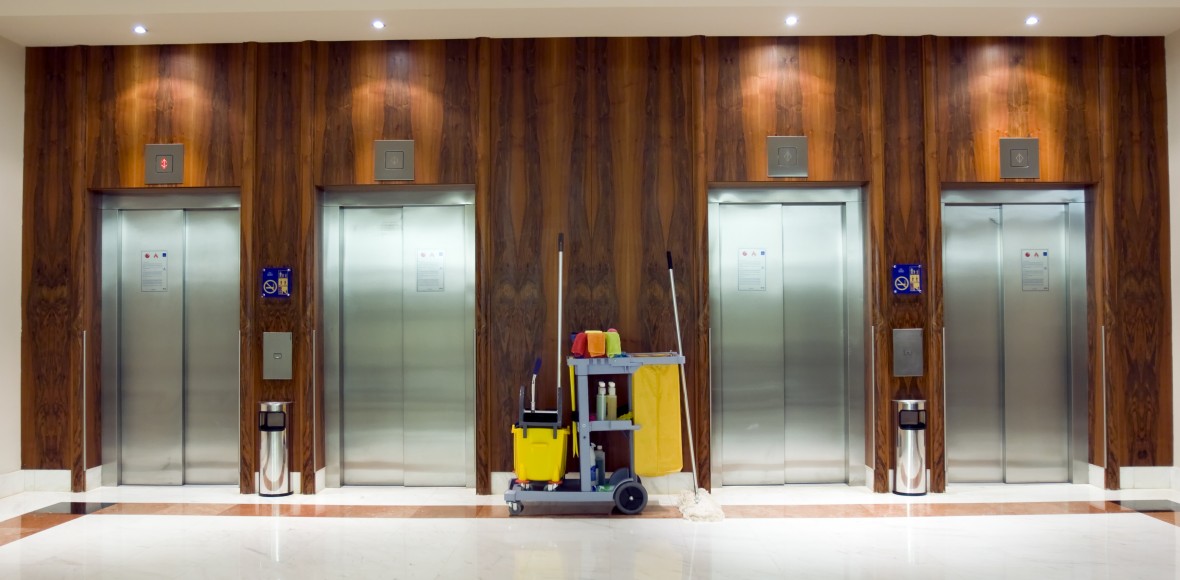
The Impact of Compressed Turnover Times: "Trash and Dash" Cleaning
Disinfecting a hospital room requires eliminating lethal pathogens, a process that CDC guidelines recommend should take 40 to 45 minutes between patients. By comparison, hotel housekeepers are typically allotted 30 minutes per room.
Yet under corporate budget-cutting pressure, hospital cleaning crews face severe time constraints. In his research on healthcare outsourcing, Dan Zuberi, Ph.D., notes that workers are frequently forced to disinfect rooms between gravely ill patients in under 15 minutes—with some staff instructed to complete room turnovers in just 10 minutes.
The Link Between Outsourced Housekeeping and Infection Rates
When hospitals outsource environmental services (EVS) to third-party staffing contractors, turnover pressures often lead to compromised disinfection standards.
Clinical Research Connecting Outsourcing to Pathogen Spikes:
- 50% Increase in MRSA Rates: A study evaluating 126 English National Health Service (NHS) hospitals revealed that facilities using contracted cleaning staff reported nearly 50% more Methicillin-Resistant Staphylococcus aureus (MRSA) infections than hospitals employing in-house EVS staff.
- Elevated C. difficile Rates: In a study examining California hospitals published by Cornell University, 91% of hospitals utilizing outsourced cleaning reported C. difficile outbreaks, compared to 73% of hospitals maintaining in-house staff.
- Regional Infection Outbreaks: Following widespread hospital EVS outsourcing in British Columbia, cases of Vancomycin-Resistant Enterococcus (VRE) surged well beyond rates recorded in Canadian provinces with internal staff.
"Contracting out NHS services may save money, but this is at the price of increasing risks to patients’ health," cautions study co-author David Stuckler, Ph.D., public health researcher at the London School of Hygiene and Tropical Medicine.
Financial and Clinical Costs of Healthcare-Acquired Infections
Healthcare-associated infections (HAIs) extend length of stay, inflate readmission rates, and trigger costly outbreak closures.
- Extended Surgical Recoveries: Surgical site infection patients spend an additional 6.5 days in the hospital and are five times more likely to be readmitted.
- Superbug Complications: Patients acquiring antibiotic-resistant superbugs spend an average of 16.9 additional days hospitalized.
- NICU Outbreak Expenses: A single MRSA infection in a neonatal intensive care unit can extend an infant's hospital stay by 40 days, adding up to $160,000 in treatment costs.
Why Environmental Surface Disinfection Is Challenging
Hospital environmental hygiene requires specialized knowledge, including disinfectant contact times, proper dilution ratios, cloth replacement schedules, and cross-contamination prevention.
"You can make a room look clean without much training, but to make it microbiologically safe is really difficult," explains Dr. Ojan Assadian, M.D., President of the Austrian Society for Infection Control. "A toilet, floor, or bed rail can appear sparkling but remain teeming with pathogens."
Because outsourced staff frequently face minimal training, high turnover, and remote third-party management, critical disinfection steps are easily missed under tight turnover deadlines.
The Second Line of Defense: Continuous 24/7 Air Disinfection
While manual wiping of high-touch surfaces remains essential, environmental surfaces rapidly recontaminate because bioaerosols settle continuously out of room air. Coughing, sneezing, talking, and breathing launch microscopic viral and bacterial particles that travel via air currents onto bed rails, light switches, and medical instruments.
To break this cycle, healthcare facilities deploy active, continuous air treatment powered by NanoStrike technology.
Benefits of Active Air Treatment in Healthcare Facilities:
- 24/7 Bioaerosol Neutralization: Novaerus portable units continuously destroy airborne pathogens on contact before they settle on sterile surfaces.
- Independent of Staff Compliance: Active air disinfection operates constantly without depending on human training, turnover schedules, or manual wiping protocols.
- Comprehensive Pathogen Protection: Inactivates airborne viruses, bacteria, and fungal spores across high-risk clinical wards, operating rooms, and ICUs.
Conclusion: Protecting Patients Across All Vectors
Hospitals must maintain high environmental hygiene standards and allot sufficient time for thorough surface disinfection. However, combining manual cleaning with active 24/7 plasma air treatment provides a complete defense against superbug transmission.
Explore WellAir independent clinical research to review peer-reviewed testing against common hospital pathogens.
Sources & References
- Centers for Disease Control and Prevention (CDC). Guideline for Disinfection and Sterilization in Healthcare Facilities. CDC Infection Control. Read guideline.
- Social Science & Medicine. Contracting Out NHS Cleaning Services and MRSA Infection Rates. ScienceDirect. Read study.
- Cornell University ILR School. Superbugs Versus Outsourced Cleaners in California Hospitals. Cornell Digital Commons. Read study.
- Clinical Microbiology Reviews. How Do We Assess Hospital Cleaning? American Society for Microbiology. Read study.