
WellAir Knowledge Lab
Indoor Air Quality, Explained
Explore in-depth guides, research, and educational resources built to help facility leaders, engineers, and building operators master indoor air quality and make informed decisions.
Indoor Air Quality, Explained
Explore in-depth guides, research, and educational resources built to help facility leaders, engineers, and building operators master indoor air quality and make informed decisions.

Preparing residence halls for move-in requires more than fresh paint. A proactive IAQ strategy creates healthier living spaces while reducing academic-year maintenance. Here are 7 steps to ensure clean air across campus.
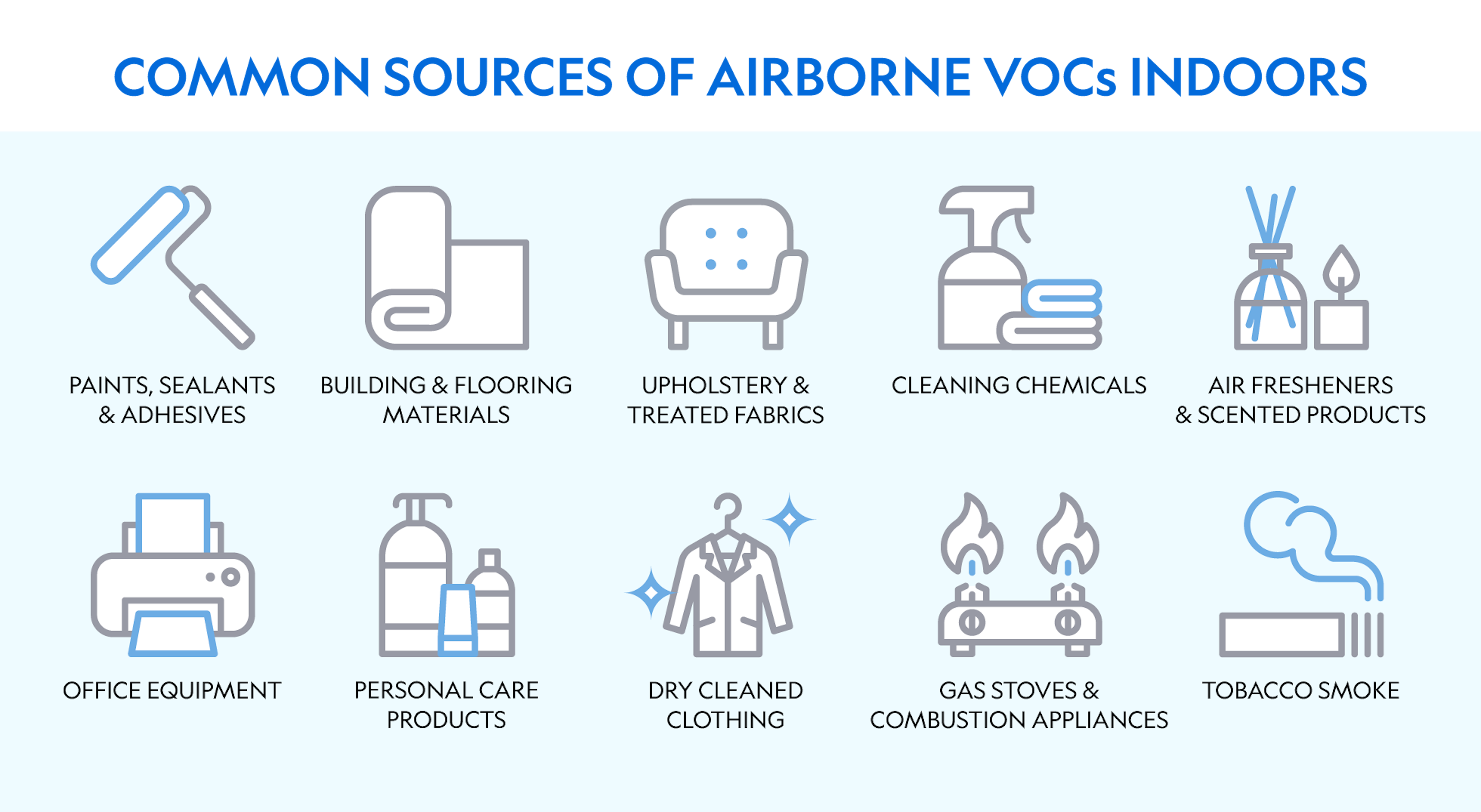
VOCs Explained: Volatile Organic Compounds are among the most common indoor air contaminants. These invisible gases can affect health, comfort, productivity, and building performance.

Allergens and Pollen Explained: What are allergens? What are examples of allergens? How do they affect us? Why should we care? And what can we do about it? We answer all these questions and more in our post.
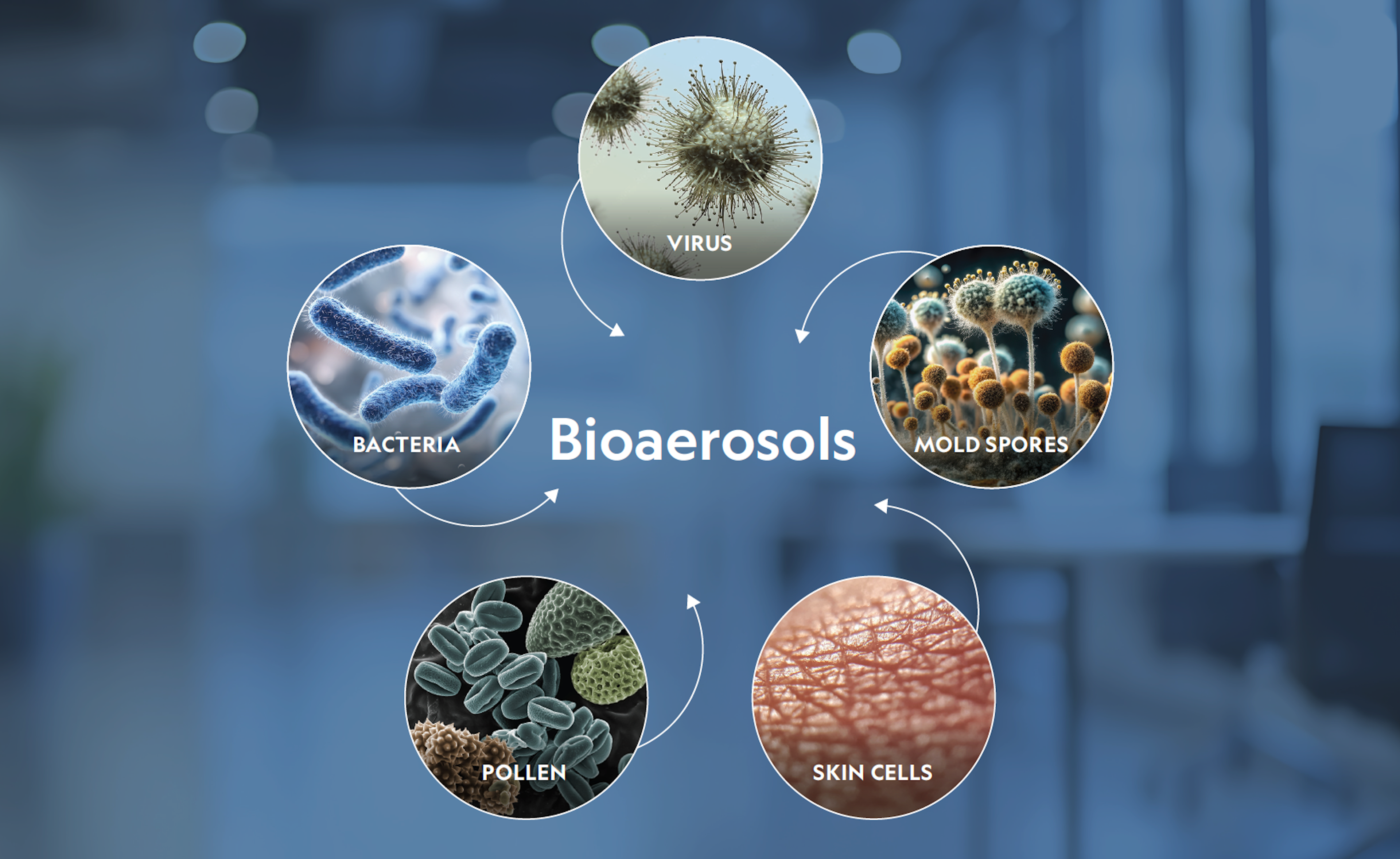
Bioaerosols Explained: learn more about what they are, where they come from and why they matter for indoor air quality.

Why IAQ Is Becoming a Business Priority. Indoor air quality is becoming a critical business metric. Learn how IAQ impacts productivity, building performance, tenant satisfaction, and long-term asset value.
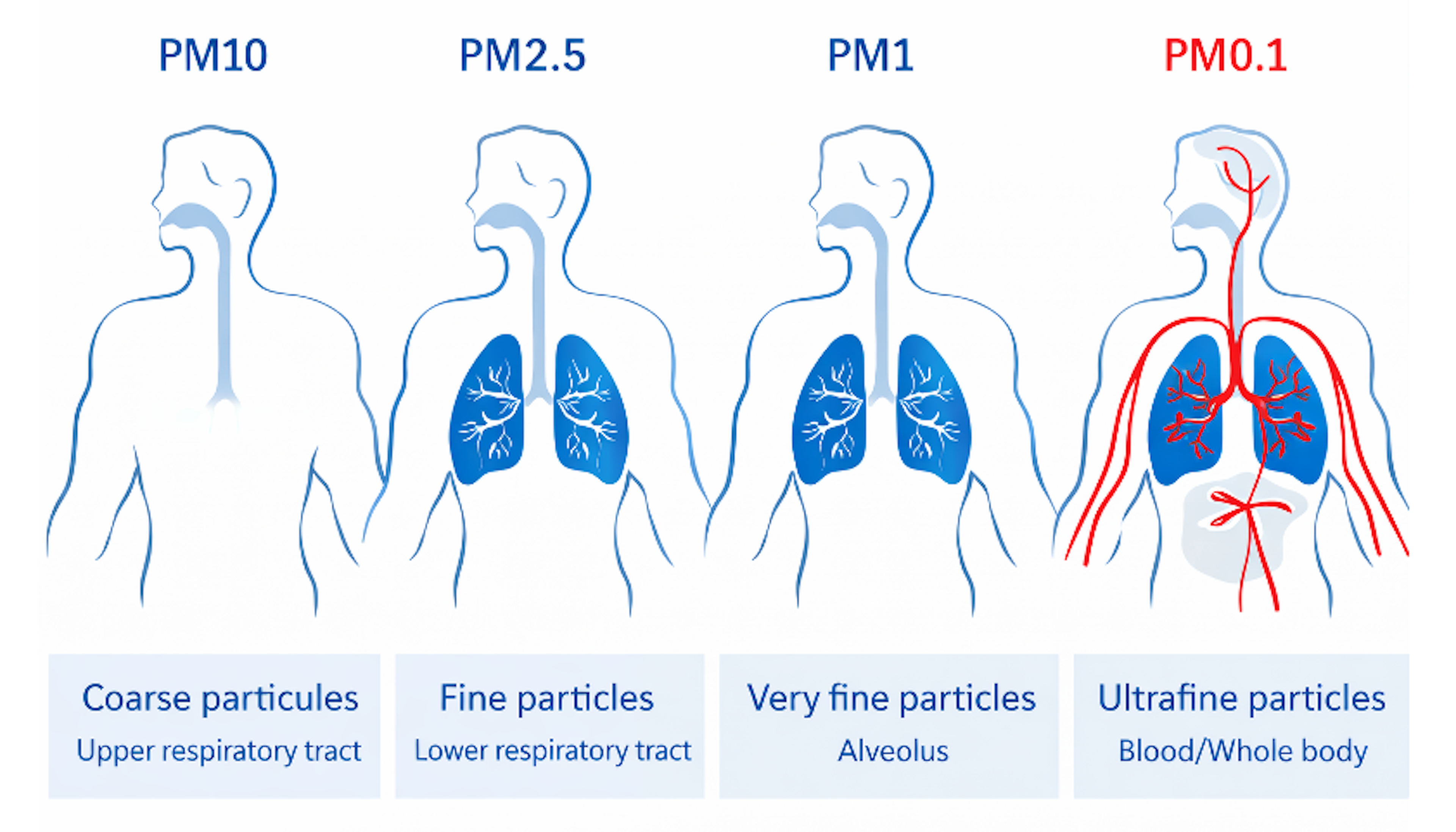
Particulate Matter Explained: why particulate matter (PM2.5) is an invisible risk to health and building performance.

ASHRAE Standard 241: A Milestone in IAQ. The implications of ASHRAE 241 extend beyond immediate pathogen control, reshaping how building designers and facility managers approach IAQ - it aims to “future-proof” buildings.
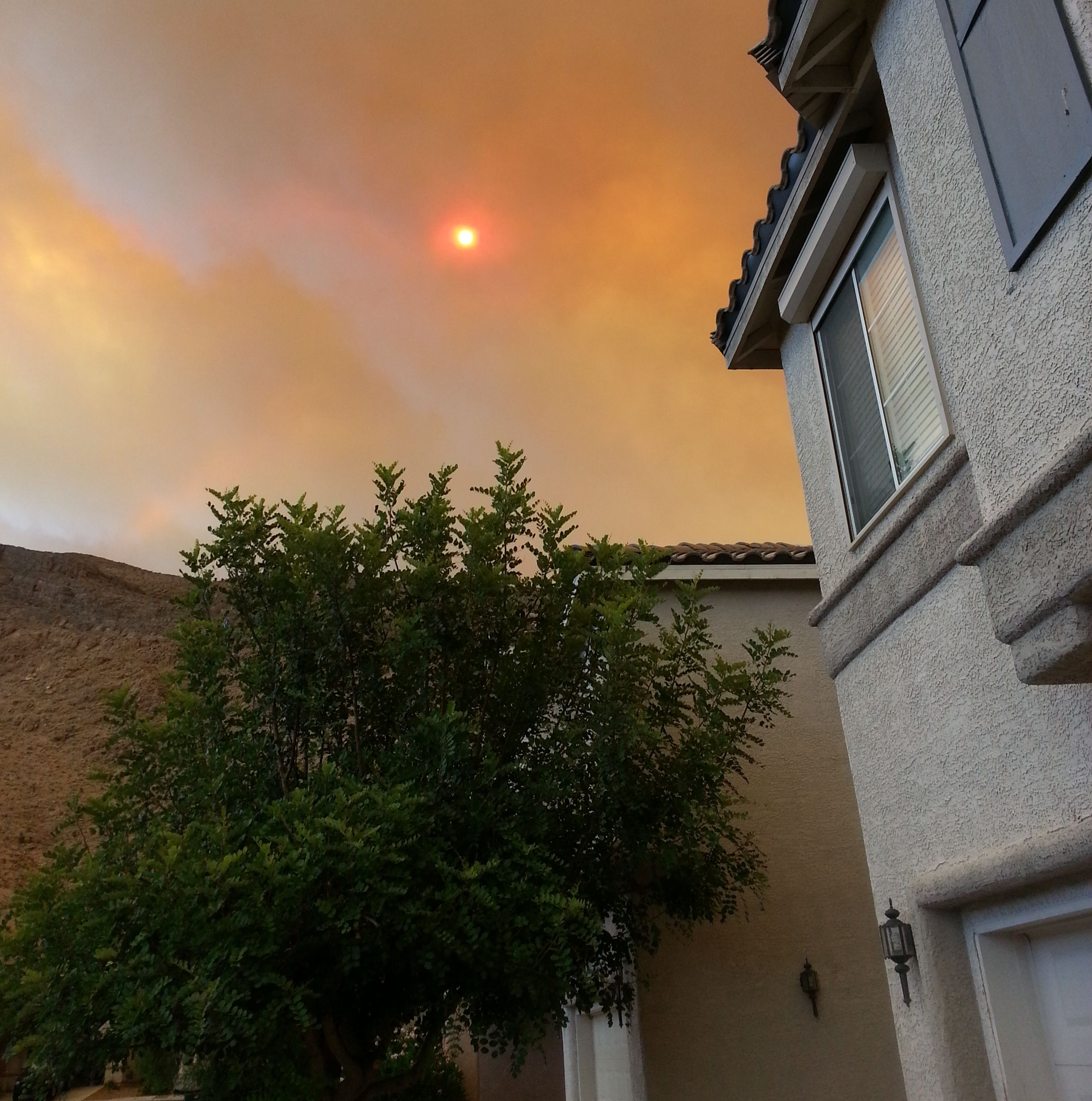
How Wildfire Smoke Compromises Indoor Air Quality and Your Health. Wildfires are a year-round threat to public health and safety. The immediate danger is often associated with flames and property loss. A more insidious risk comes from the smoke that infiltrates our indoor spaces.

The Relationship Between Classroom Air Quality and Student Performance. Indoor air contaminants are well-known causes of absences, interruptions, and lack of productivity in students, teachers, and staff; they need clean air.

ASHRAE Standards for IAQ. As awareness grows around the impact of indoor air quality (IAQ) on human health, energy efficiency, and building performance, industry professionals are turning to a trusted authority for guidance: ASHRAE.

Not All Ionization Technologies Are the Same. Technologies such as soft ionization (bipolar ionization) are revolutionizing clean and safe indoor air solutions in various indoor environments.
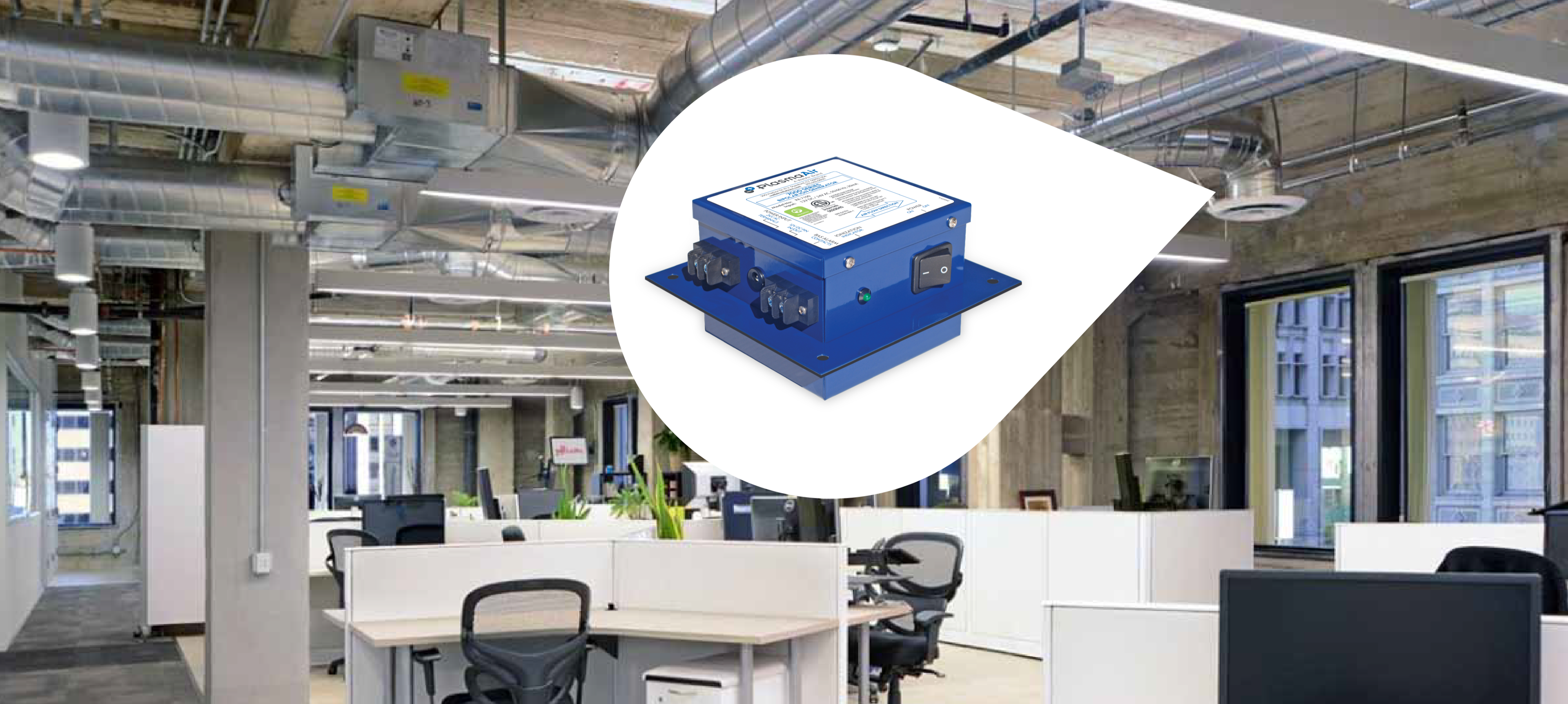
Plasma Air’s soft bipolar ionization solutions safely purify the air in over 400 million square feet of indoor space worldwide. Our solutions complement HVAC air filtration systems to neutralize pathogens and reduce particulate matter without introducing dangerous chemicals or byproducts.

The Headaches of Sick Building Syndrome. SBS is well defined and well documented — “a major occupational hazard,” as one research paper put it, and a “growing problem in the US and around the world,” according to another.
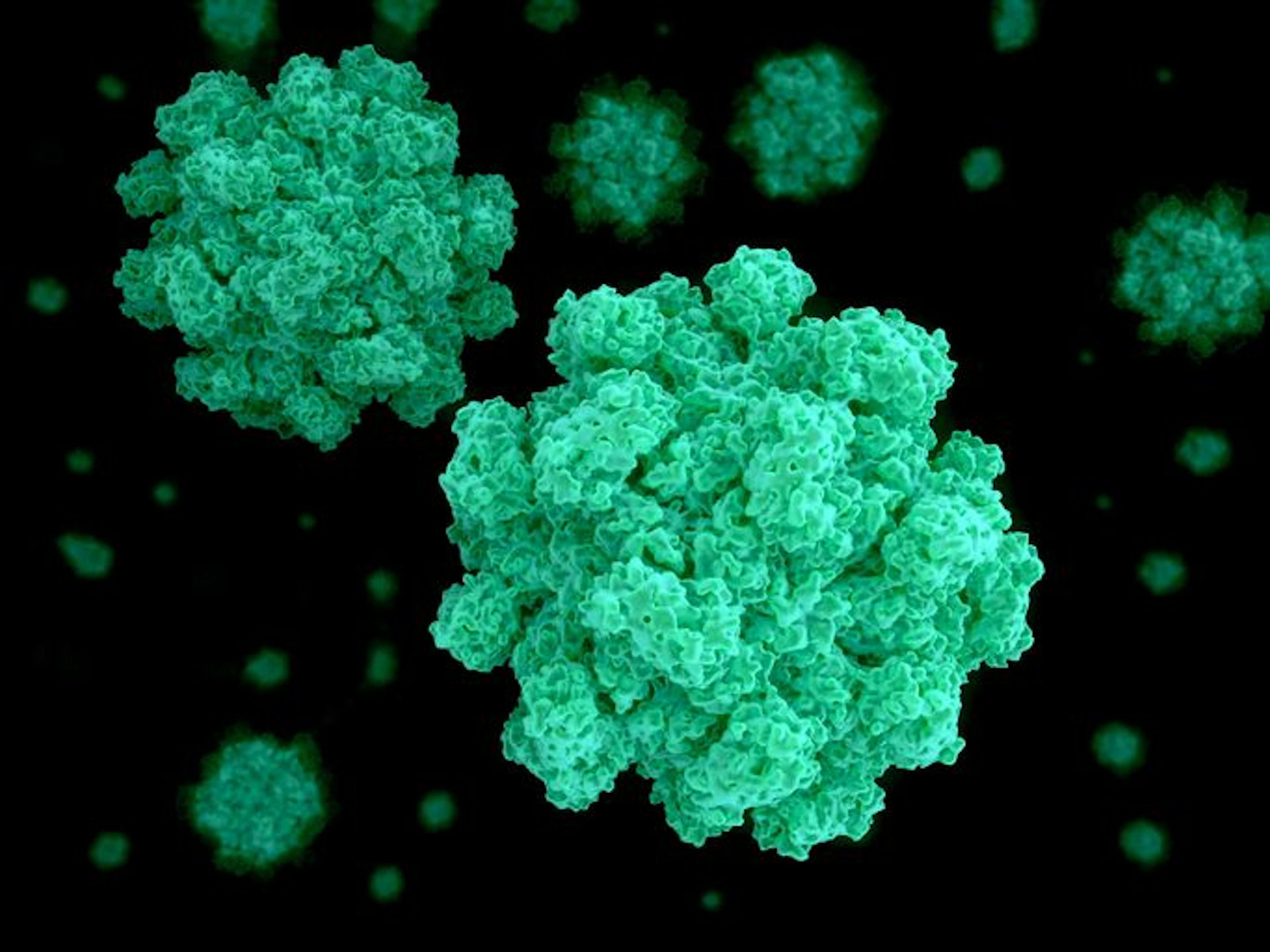
The Spread of Norovirus and How to Prevent It. The norovirus is a highly contagious virus that causes stomach pain, vomiting and diarrhea. It is sometimes called the “stomach flu”. A major concern is the person-to-person transmission rate.

Hospital-acquired infections are so commonplace that patient horror stories lost the power to shock. No hospital — not even the cleanest, most advanced healthcare facility — is immune to this epidemic. This global crisis demands innovative solutions.

Fighting Superbugs: “[Antibiotic resistance] is very serious indeed – it’s killing people around the world at the rate of hundreds of thousands of year,” cautioned one epidemiologist. What can be done?

Abstract: Indoor air purification technologies that allow reduced outdoor air intake rates while maintaining acceptable levels of indoor air quality.

VOC and Particulate Matter at Airports. The objectives for environmental management of indoor air systems at airports are multiple: minimizing pollutant sources, providing good air handling, and improving Indoor Air Quality (IAQ).

White Paper. Whole-building air purification gets more attention in the post-COVID world. Clearly, air purification has an important place in commercial and residential buildings, but just how far should we take it?
Preparing residence halls for move-in requires more than fresh paint. A proactive IAQ strategy creates healthier living spaces while reducing academic-year maintenance. Here are 7 steps to ensure clean air across campus.
Allergens and Pollen Explained: What are allergens? What are examples of allergens? How do they affect us? Why should we care? And what can we do about it? We answer all these questions and more in our post.
Why IAQ Is Becoming a Business Priority. Indoor air quality is becoming a critical business metric. Learn how IAQ impacts productivity, building performance, tenant satisfaction, and long-term asset value.
ASHRAE Standard 241: A Milestone in IAQ. The implications of ASHRAE 241 extend beyond immediate pathogen control, reshaping how building designers and facility managers approach IAQ - it aims to “future-proof” buildings.
The Relationship Between Classroom Air Quality and Student Performance. Indoor air contaminants are well-known causes of absences, interruptions, and lack of productivity in students, teachers, and staff; they need clean air.
Not All Ionization Technologies Are the Same. Technologies such as soft ionization (bipolar ionization) are revolutionizing clean and safe indoor air solutions in various indoor environments.
The Headaches of Sick Building Syndrome. SBS is well defined and well documented — “a major occupational hazard,” as one research paper put it, and a “growing problem in the US and around the world,” according to another.
Hospital-acquired infections are so commonplace that patient horror stories lost the power to shock. No hospital — not even the cleanest, most advanced healthcare facility — is immune to this epidemic. This global crisis demands innovative solutions.
Abstract: Indoor air purification technologies that allow reduced outdoor air intake rates while maintaining acceptable levels of indoor air quality.
White Paper. Whole-building air purification gets more attention in the post-COVID world. Clearly, air purification has an important place in commercial and residential buildings, but just how far should we take it?
VOCs Explained: Volatile Organic Compounds are among the most common indoor air contaminants. These invisible gases can affect health, comfort, productivity, and building performance.
Bioaerosols Explained: learn more about what they are, where they come from and why they matter for indoor air quality.
Particulate Matter Explained: why particulate matter (PM2.5) is an invisible risk to health and building performance.
How Wildfire Smoke Compromises Indoor Air Quality and Your Health. Wildfires are a year-round threat to public health and safety. The immediate danger is often associated with flames and property loss. A more insidious risk comes from the smoke that infiltrates our indoor spaces.
ASHRAE Standards for IAQ. As awareness grows around the impact of indoor air quality (IAQ) on human health, energy efficiency, and building performance, industry professionals are turning to a trusted authority for guidance: ASHRAE.
Plasma Air’s soft bipolar ionization solutions safely purify the air in over 400 million square feet of indoor space worldwide. Our solutions complement HVAC air filtration systems to neutralize pathogens and reduce particulate matter without introducing dangerous chemicals or byproducts.
The Spread of Norovirus and How to Prevent It. The norovirus is a highly contagious virus that causes stomach pain, vomiting and diarrhea. It is sometimes called the “stomach flu”. A major concern is the person-to-person transmission rate.
Fighting Superbugs: “[Antibiotic resistance] is very serious indeed – it’s killing people around the world at the rate of hundreds of thousands of year,” cautioned one epidemiologist. What can be done?
VOC and Particulate Matter at Airports. The objectives for environmental management of indoor air systems at airports are multiple: minimizing pollutant sources, providing good air handling, and improving Indoor Air Quality (IAQ).
Preparing residence halls for move-in requires more than fresh paint. A proactive IAQ strategy creates healthier living spaces while reducing academic-year maintenance. Here are 7 steps to ensure clean air across campus.
Bioaerosols Explained: learn more about what they are, where they come from and why they matter for indoor air quality.
ASHRAE Standard 241: A Milestone in IAQ. The implications of ASHRAE 241 extend beyond immediate pathogen control, reshaping how building designers and facility managers approach IAQ - it aims to “future-proof” buildings.
ASHRAE Standards for IAQ. As awareness grows around the impact of indoor air quality (IAQ) on human health, energy efficiency, and building performance, industry professionals are turning to a trusted authority for guidance: ASHRAE.
The Headaches of Sick Building Syndrome. SBS is well defined and well documented — “a major occupational hazard,” as one research paper put it, and a “growing problem in the US and around the world,” according to another.
Fighting Superbugs: “[Antibiotic resistance] is very serious indeed – it’s killing people around the world at the rate of hundreds of thousands of year,” cautioned one epidemiologist. What can be done?
White Paper. Whole-building air purification gets more attention in the post-COVID world. Clearly, air purification has an important place in commercial and residential buildings, but just how far should we take it?
VOCs Explained: Volatile Organic Compounds are among the most common indoor air contaminants. These invisible gases can affect health, comfort, productivity, and building performance.
Why IAQ Is Becoming a Business Priority. Indoor air quality is becoming a critical business metric. Learn how IAQ impacts productivity, building performance, tenant satisfaction, and long-term asset value.
How Wildfire Smoke Compromises Indoor Air Quality and Your Health. Wildfires are a year-round threat to public health and safety. The immediate danger is often associated with flames and property loss. A more insidious risk comes from the smoke that infiltrates our indoor spaces.
Not All Ionization Technologies Are the Same. Technologies such as soft ionization (bipolar ionization) are revolutionizing clean and safe indoor air solutions in various indoor environments.
The Spread of Norovirus and How to Prevent It. The norovirus is a highly contagious virus that causes stomach pain, vomiting and diarrhea. It is sometimes called the “stomach flu”. A major concern is the person-to-person transmission rate.
Abstract: Indoor air purification technologies that allow reduced outdoor air intake rates while maintaining acceptable levels of indoor air quality.
Allergens and Pollen Explained: What are allergens? What are examples of allergens? How do they affect us? Why should we care? And what can we do about it? We answer all these questions and more in our post.
Particulate Matter Explained: why particulate matter (PM2.5) is an invisible risk to health and building performance.
The Relationship Between Classroom Air Quality and Student Performance. Indoor air contaminants are well-known causes of absences, interruptions, and lack of productivity in students, teachers, and staff; they need clean air.
Plasma Air’s soft bipolar ionization solutions safely purify the air in over 400 million square feet of indoor space worldwide. Our solutions complement HVAC air filtration systems to neutralize pathogens and reduce particulate matter without introducing dangerous chemicals or byproducts.
Hospital-acquired infections are so commonplace that patient horror stories lost the power to shock. No hospital — not even the cleanest, most advanced healthcare facility — is immune to this epidemic. This global crisis demands innovative solutions.
VOC and Particulate Matter at Airports. The objectives for environmental management of indoor air systems at airports are multiple: minimizing pollutant sources, providing good air handling, and improving Indoor Air Quality (IAQ).