Bioaerosols Explained: What They Are, Where They Come From, and Why They Matter for IAQ

Introduction: The Hidden Impact of Bioaerosols on Indoor Air Quality
In homes and commercial buildings across the U.S., especially in humid regions or aging facilities, a hidden indoor environmental issue is growing: bioaerosols.
When people consider air pollution, their minds often jump to outdoor smog, vehicular exhaust, or visible dust. However, a significant portion of the pollution we breathe daily is completely invisible—and it originates from living organisms rather than chemical emissions or combustion.
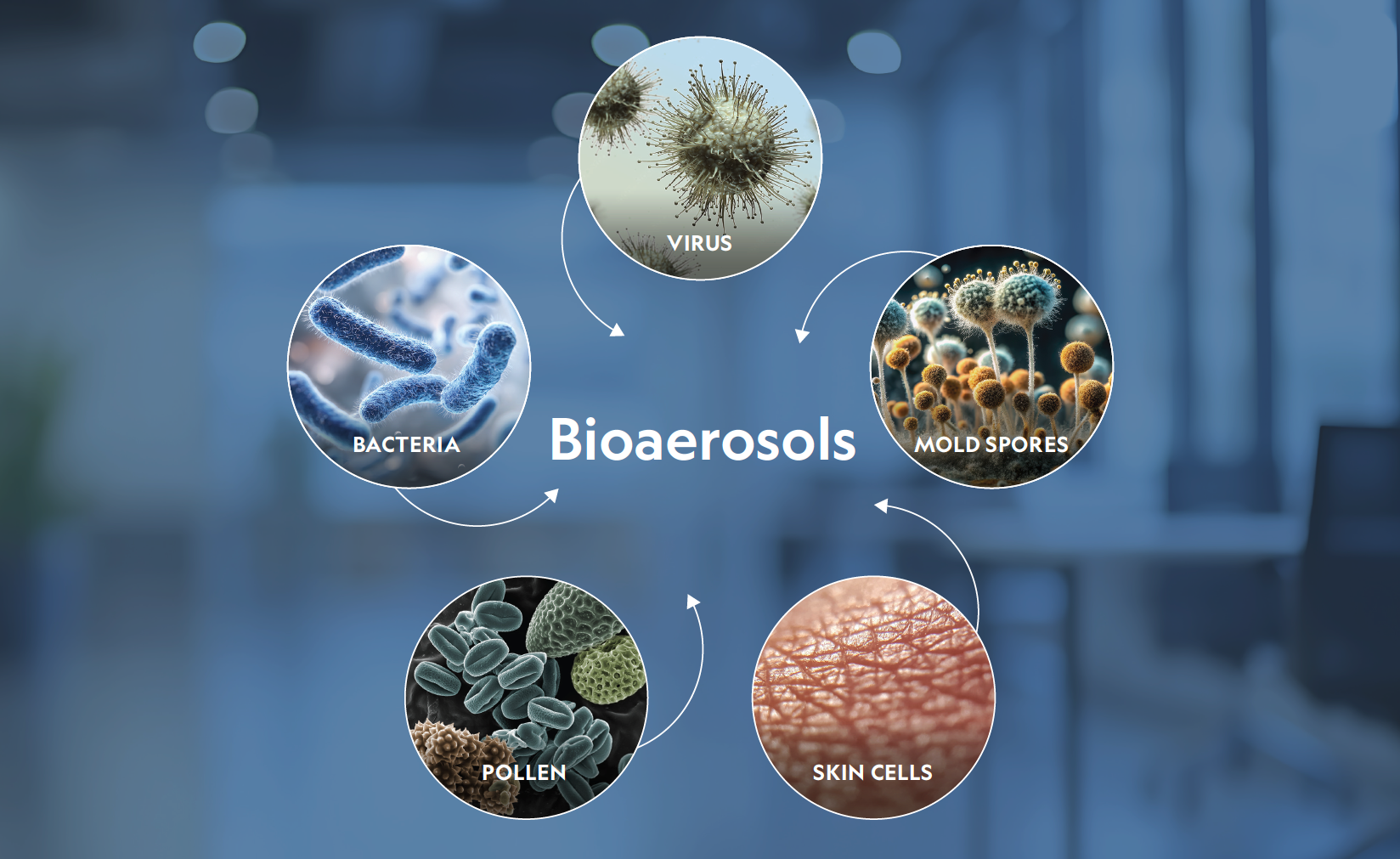
These tiny airborne particles—known as bioaerosols—include pollen, mold spores, bacteria, viruses, and microscopic skin cell fragments. While some are harmless, others trigger severe allergies, exacerbate asthma, or transmit infectious diseases across homes, schools, offices, and healthcare settings.
This comprehensive guide covers:
- What Bioaerosols Are: Defining biological particles and distinguishing them from general microorganisms and pathogens.
- Common Sources and Examples: Identifying indoor and outdoor origin points across building infrastructure.
- Health and Clinical Impact: Examining research-backed health effects from allergies to airborne disease transmission.
- Mitigation and Purification Technologies: Reviewing HEPA filtration, NanoStrike™ plasma technology, and zero-ozone soft ionization.
What Are Bioaerosols?
Bioaerosols are airborne particles that originate from living organisms or their biological byproducts. They range in size from under 0.01 µm up to more than 100 µm. Because of their microscopic scale, bioaerosols remain suspended in indoor air currents for extended periods, traveling significant distances through HVAC systems.
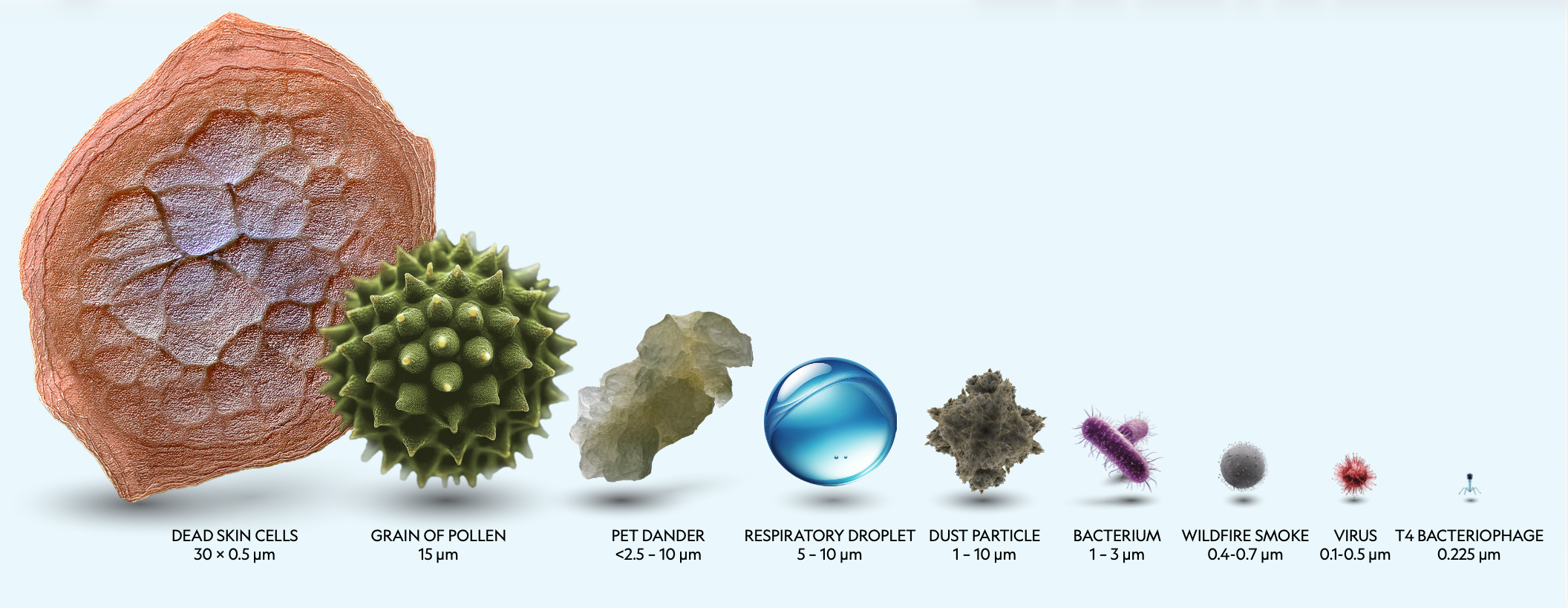
Bioaerosols vs. Microorganisms vs. Pathogens: Key Differences
While these terms are often used interchangeably in discussions about indoor air quality, they represent distinct scientific classifications:
- Bioaerosols: The broadest category, encompassing any airborne particle of biological origin—whether living, dead, or an inert byproduct (e.g., pollen, pet dander, mold spores, endotoxins).
- Microorganisms: Living microscopic organisms such as bacteria, fungi, protozoa, and viruses. When suspended in air, they act as bioaerosols.
- Pathogens: A specific subcategory of microorganisms capable of causing disease in humans or animals.
Key Takeaway: All airborne pathogens are bioaerosols, but not all bioaerosols are pathogens. However, even non-pathogenic bioaerosols (such as pollen or endotoxins) can trigger severe immune and inflammatory responses.
Common Examples of Indoor Bioaerosols
1. Airborne Bacteria, Viruses, and Fungal Spores
- Bacteria: Waterborne and aerosolized pathogens such as Legionella pneumophila spread via plumbing and cooling towers, causing severe pneumonia.
- Viruses: Highly infectious respiratory viruses including influenza, rhinovirus, and SARS-CoV-2 circulate as fine bioaerosols.
- Fungal Spores: Environmental molds like Aspergillus, Cladosporium, and Penicillium are primary drivers of asthma attacks and allergic rhinitis.
2. Pollen and Plant-Derived Particles
Seasonal pollen grains enter buildings through open doors, windows, and outdoor air intakes. Additionally, microscopic fragments of leaves and wood act as respiratory irritants.
3. Human and Animal Dander
Humans shed millions of skin cells daily, providing an abundant food source for dust mites whose fecal proteins become airborne. Pet dander, hair fragments, and pest antigens (from rodents or insects) are major indoor bioaerosol sources.
4. Toxic Biological Byproducts
Endotoxins (released from bacterial cell walls) and mycotoxins (toxic chemical compounds produced by molds) irritate mucous membranes and trigger systemic inflammation upon inhalation.
Where Do Indoor Bioaerosols Originate?
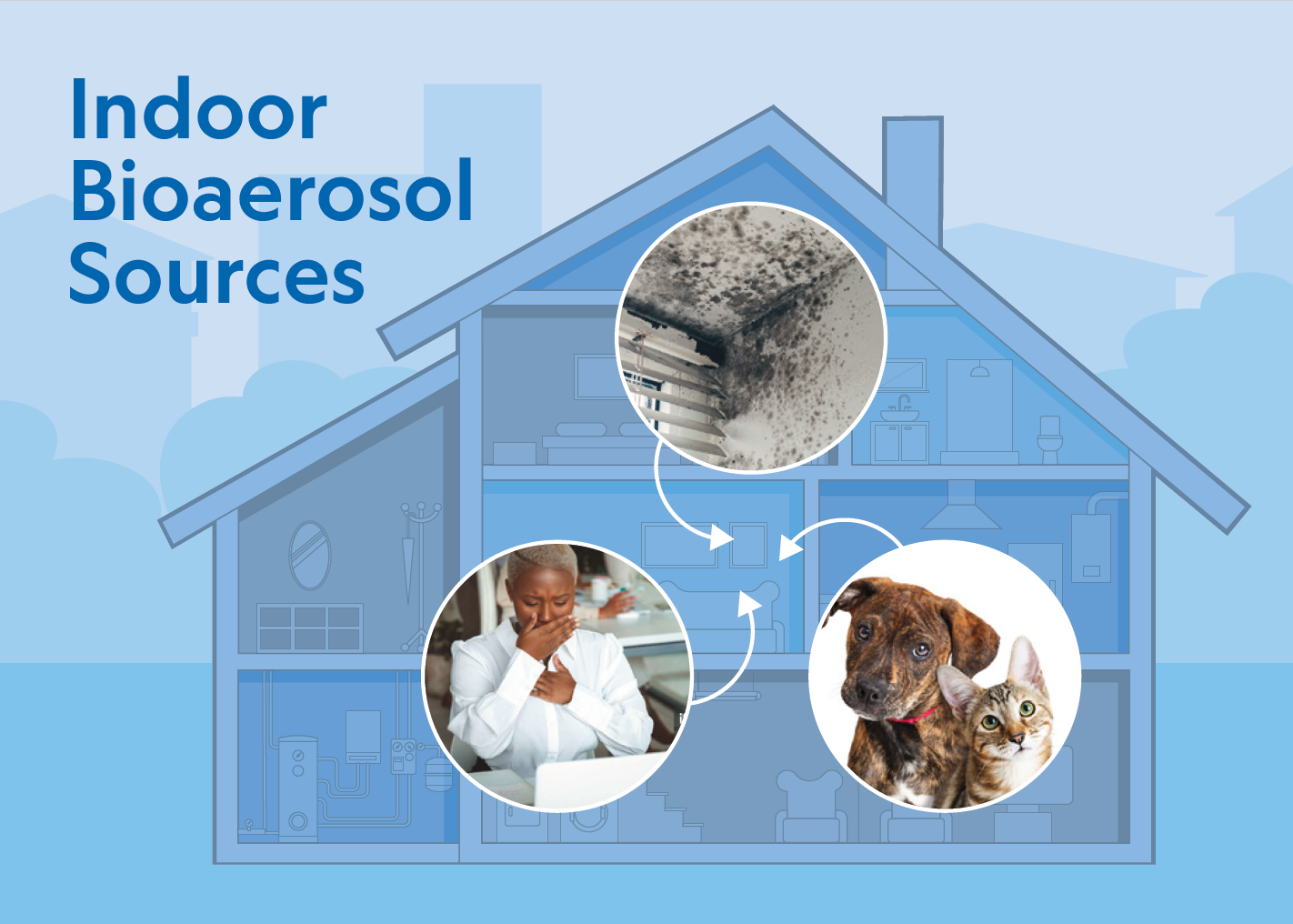
Indoor Sources
- Occupants and Pets: Everyday breathing, coughing, talking, and skin shedding continuously release bioaerosols into shared air.
- HVAC Infrastructure: Damp cooling coils, standing condensate drain pans, and dirty filters foster mold and bacterial reservoirs that are distributed by supply fans.
- Building Material Moisture: Water-damaged drywall, wet carpets, and leaking pipes encourage rapid fungal growth.
- Resuspension: Routine physical movement, sweeping, or vacuuming resuspends settled surface particles back into the breathing zone.
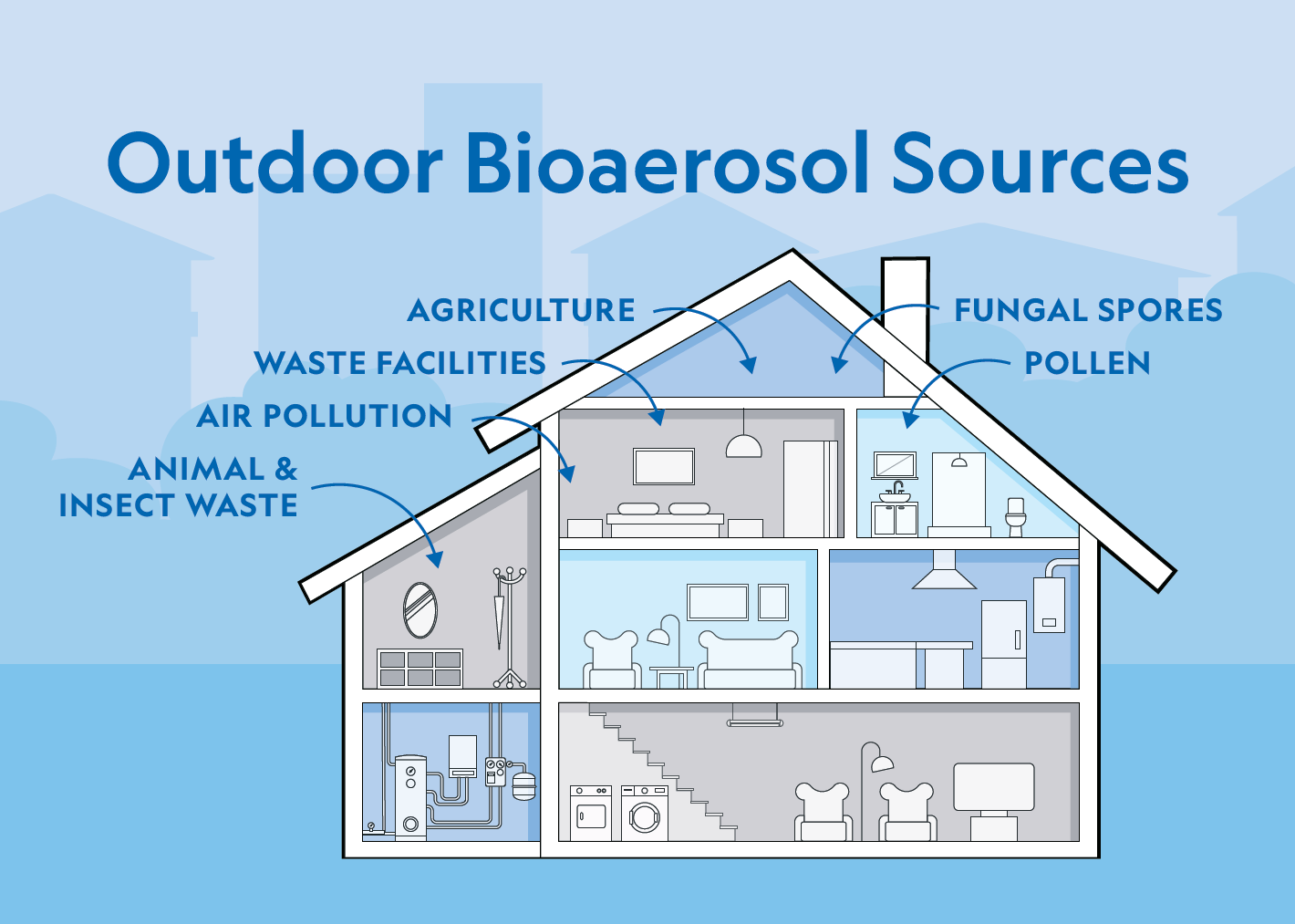
Outdoor Sources and Humidity Drivers
Soil, agricultural operations, composting facilities, and outdoor vegetation release vast volumes of fungal spores and pollen. High indoor relative humidity (above 50–60%) accelerates microbial proliferation across building surfaces, exacerbating bioaerosol loads.
Health Risks Associated with Bioaerosols
WellAir solutions target indoor bioaerosols directly at the source. Unlike inert dust particles, bioaerosols interact directly with human immune pathways:
- Allergies and Asthma: According to the American Academy of Allergy, Asthma & Immunology (AAAAI), airborne allergens affect up to 30% of adults and 40% of children. A World Health Organization review on dampness and mold determined that indoor dampness increases asthma risks by 30% to 50%.
- Chronic Respiratory Inflammation: Inhaled endotoxins and fungal spores drive chronic bronchitis, hypersensitivity pneumonitis, and symptoms associated with Sick Building Syndrome (SBS).
- Pathogenic Infection Transmission: Airborne viruses remain infectious while suspended in unventilated rooms for hours, driving healthcare-acquired infections and workplace absenteeism.
- Heightened Risk for Vulnerable Groups: Elderly residents, young children, and immunocompromised patients in healthcare settings face elevated medical risks from even low levels of opportunistic fungal spores or bacteria.
Advanced Air Technologies for Bioaerosol Reduction
1. High-Efficiency HEPA Filtration
Medical-grade HEPA filters capture 99.97% of airborne particles down to 0.3 µm, removing mold spores, pet dander, and bacterial clusters from circulating air.
2. Active NanoStrike™ Plasma Technology
Patented NanoStrike™ technology utilizes ultra-low-energy plasma discharge to burst airborne pathogen cell walls instantly, destroying DNA/RNA without risk of antimicrobial resistance or harmful chemical byproducts.
3. Multi-Stage Portable Air Disinfection
Comprehensive system configurations—such as the WellAir Defend 1050—combine NanoStrike plasma with multi-stage Pre, HEPA, and Activated Carbon filters for all-in-one bioaerosol and gas mitigation.
4. UL 2998 Validated Zero-Ozone Bipolar Ionization
Soft Bipolar Ionization releases positive and negative ions into supply air to neutralize viruses and agglomerate fine particles for easier filtration—all verified ozone-free under UL 2998 standards.
Conclusion: Implementing Proactive IAQ Controls
Bioaerosols represent a critical, invisible factor in overall building health. By combining source moisture control, routine ventilation, and advanced active air disinfection, facilities managers and homeowners can successfully neutralize biological risks.
Explore WellAir's full portfolio of clean air technologies to protect your building occupants.
👉 DOWNLOAD THE FULL PDF ARTICLE: 'BIOAEROSOLS EXPLAINED'
Sources & Related IAQ Reading
- World Health Organization. WHO Guidelines for Indoor Air Quality: Dampness and Mould. WHO Guidelines Approved by the Guidelines Review Committee. Read report.
- WellAir IAQ Series. The Air We Breathe: Particulate Matter (PM2.5) Risk Analysis. WellAir Solutions. Read guide.
- WellAir IAQ Series. The Air We Breathe: Volatile Organic Compounds (VOCs) Guide. WellAir Solutions. Read guide.
- WellAir IAQ Series. Allergens and Pollen: How Indoor Air Quality Helps You Breathe Easier. WellAir Solutions. Read guide.