





What's in the Air?
Hidden Contaminants Inside Our Buildings
Indoor air often contains invisible contaminants — including viruses, bacteria, mold spores, allergens, VOCs, and microscopic particulates. These pollutants can circulate through HVAC systems, linger in occupied rooms, and impact human health.
This guide explains what’s actually in the air and why it matters for indoor environments.
Why Indoor Air Matters
- Americans spend 90% of their time indoors
- Indoor pollutant levels are often higher than outdoors
- Poor IAQ contributes to absenteeism, infections, asthma, and cognitive decline
- Buildings with poor ventilation allow airborne contaminants to linger
Summary of Indoor Air Pollutants: Dirty, Sick and Toxic Air
DIRTY AIR
![]()
![]()
![]()
![]()
Dirty air commonly contains mold spores that grow in damp places. It includes allergens like pet dander, dust mites, and pollen.
SICK AIR
![]()
![]()
![]()
Sick air contains a range of airborne virus, bacteria and mold spores which can cause viral, bacterial or fungal infections and illnesses.
TOXIC AIR
![]()
![]()
Toxic air contains VOCs released by buildings, furnishings, and cleaners. Plus particulates (PM1.0 + PM2.5) from outdoor pollution, cooking, and wildfire smoke.
Common Biological Contaminants in Indoor Air
Viruses
What they are: Microscopic pathogens that spread via airborne droplets and aerosol particles.
How they get into indoor air: Talking, sneezing, coughing, exhalation.
Health impact: Flu, RSV, SARS-CoV-2, Norovirus, gastrointestinal viruses.
Where they thrive: Schools, hospitals, offices, shared spaces.
Key fact: Some viruses remain airborne for hours.
Bacteria
Includes: MRSA, C. diff, TB, Staphylococcus, Streptococcus.
Spread through: Air currents, surfaces, HVAC systems, door handles, bed rails.
Health risks: Respiratory infections, pneumonia, hospital-acquired infections.
Why indoors is high-risk: Dry air and poor ventilation increase survival.
Mold Spores & Fungi
Sources: Damp basements, bathrooms, HVAC condensate, leaks.
Health effects: Allergies, asthma attacks, respiratory irritation.
Behavior in air: Spores become airborne with construction, foot traffic and HVAC airflow.
Allergens
Common indoor allergens:
- Dust mites
- Pet dander
- Cockroach debris
- Pollen tracked indoors
Symptoms: Congestion, wheezing, itchy eyes, asthma flare-ups.
Note: Allergens accumulate on soft surfaces and resuspend into air when disturbed.
What are they? Microscopic pathogens that spread via airborne droplets and aerosol particles.
Viruses |
Includes: Flu, RSV, SARS-CoV-2, norovirus, gastrointestinal viruses. Spreads: Talking, sneezing, coughing, exhalation, air currents, surfaces, HVAC systems. Key fact: Some viruses remain airborne for hours. |
|
Bacteria |
Includes: MRSA, C. diff, TB, Staphylococcus, Streptococcus. Spreads: Air currents, surfaces, HVAC systems. Key Fact: Dry air + poor ventilation increase survival. |
|
Mold Spores & Fungi |
Sources: Damp basements, HVAC condensation, leaks. Health risks: Allergies, asthma, respiratory irritation. Key Fact: Spores become airborne via construction, airflow or foot traffic. |
|
Allergens |
Common Indoor Allergens: Dust mites, pet dander, pollen, cockroach debris. Health risks: Congestion, wheezing, itchy eyes, asthma flare-ups. Key Fact: Allergens accumulate on surfaces + resuspend into air after movement. |
Chemical Contaminants in Indoor Air
Volatile Organic Compounds
What are VOCs: Gases released from materials and chemicals.
Sources include:
- Paints, adhesives, varnishes
- Furniture + composite wood
- Flooring materials
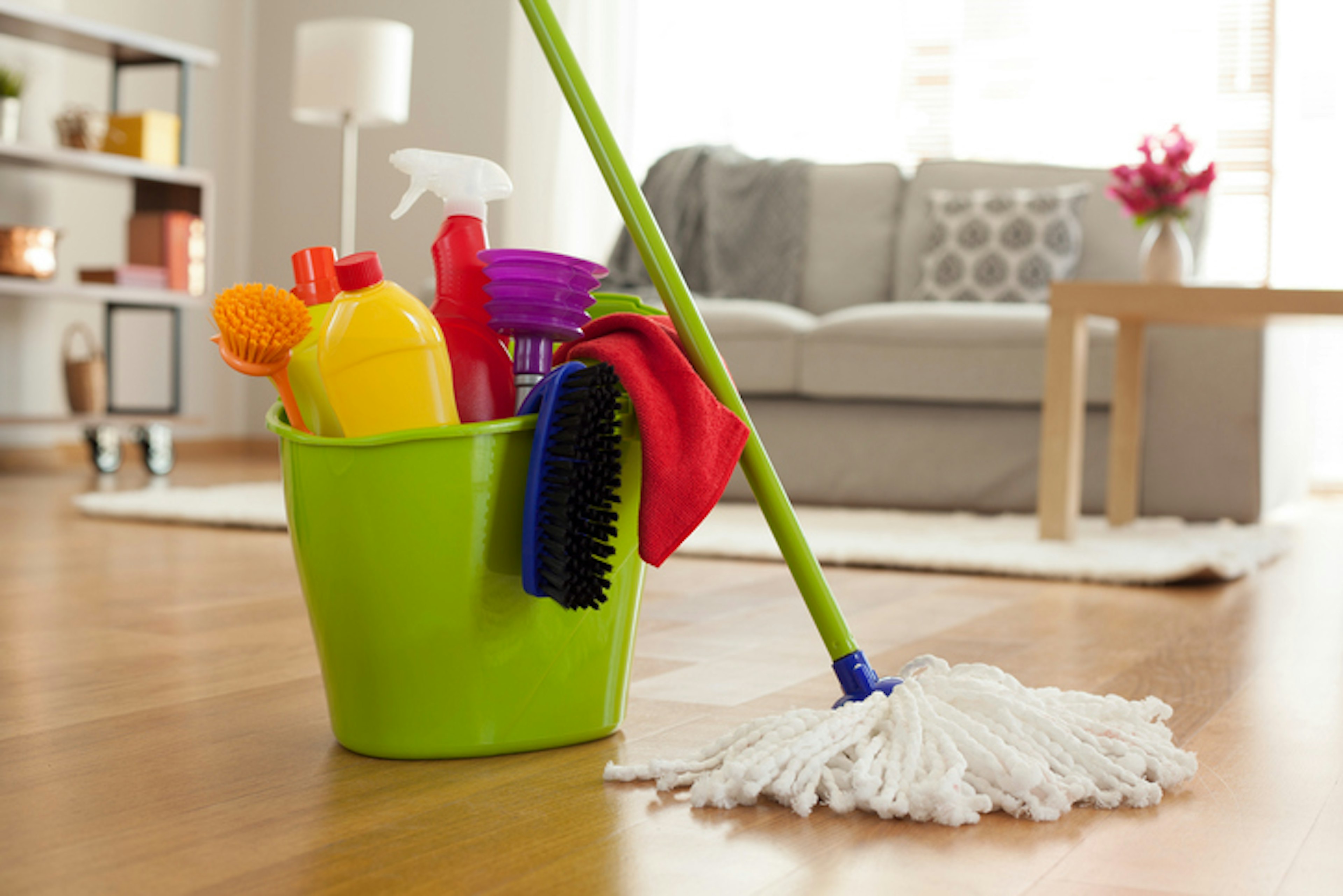
- Cleaning products
- Dry-cleaned clothing
Health effects:
- Headaches
- Dizziness
- Eye/nose irritation
- Long-term cancer risks (depending on compound)
Important stat: VOC levels indoors can be 2–10× higher than outdoors.
Particulates and Fine Particles in Indoor Air
PM1.0 and PM2.5
What are particulates: Tiny particles small enough to enter lungs and bloodstream.
Sources:
- Wildfire smoke
- Cooking
- Dust
- Vehicle exhaust
- Outdoor pollution infiltrating indoors
Health risks:
- Heart and lung disease
- Cognitive decline
- Asthma attacks
- Decreased productivity
How Contaminants Spread Indoors
- Air currents move particles between rooms
- HVAC systems recirculate contaminated air
- Human activity (walking, cleaning, moving objects) resuspends settled particles
- Poor ventilation traps pollutants indoors
FAQs - What's in Indoor Air
Q: What are the most common pollutants found in indoor air?
Biological contaminants, or bioaerosols, such as viruses, bacteria, mold spores, and allergens. Also chemical VOCs and fine particulates like PM2.5.
Q: Can indoor air make people sick?
Yes. Poor IAQ is linked to sinusitis, infections, asthma, headaches, fatigue, and long-term health effects. Sick Building Syndrome (SBS) is a known result of poor IAQ.
Q: How do pollutants enter my home or building?
Through outdoor air infiltration, HVAC systems, cleaning products, building materials, construction, and human occupants.
Q: What’s the difference between VOCs and biological contaminants?
VOCs are chemical gases; biological contaminants are living or once-living particles like viruses, mold, bacteria, fungi, pollen, pet dander, and insect debris.
Q: What’s the most effective way to reduce airborne contaminants?
A combination of ventilation, filtration, active purification technology such as soft bipolar ionization, and active air disinfection technology such as NanoStrike.
Q: How can I tell if my indoor air is contaminated?
Indoor air problems are often invisible. Common signs include odors, dust buildup, headaches, allergy flare-ups, fatigue, coughing, sinusitis, or worsened asthma indoors. Air testing, IAQ monitoring, and active air purification help identify and reduce airborne pollutants.
Improving Your Indoor Air Quality
Effective mitigation methods include:
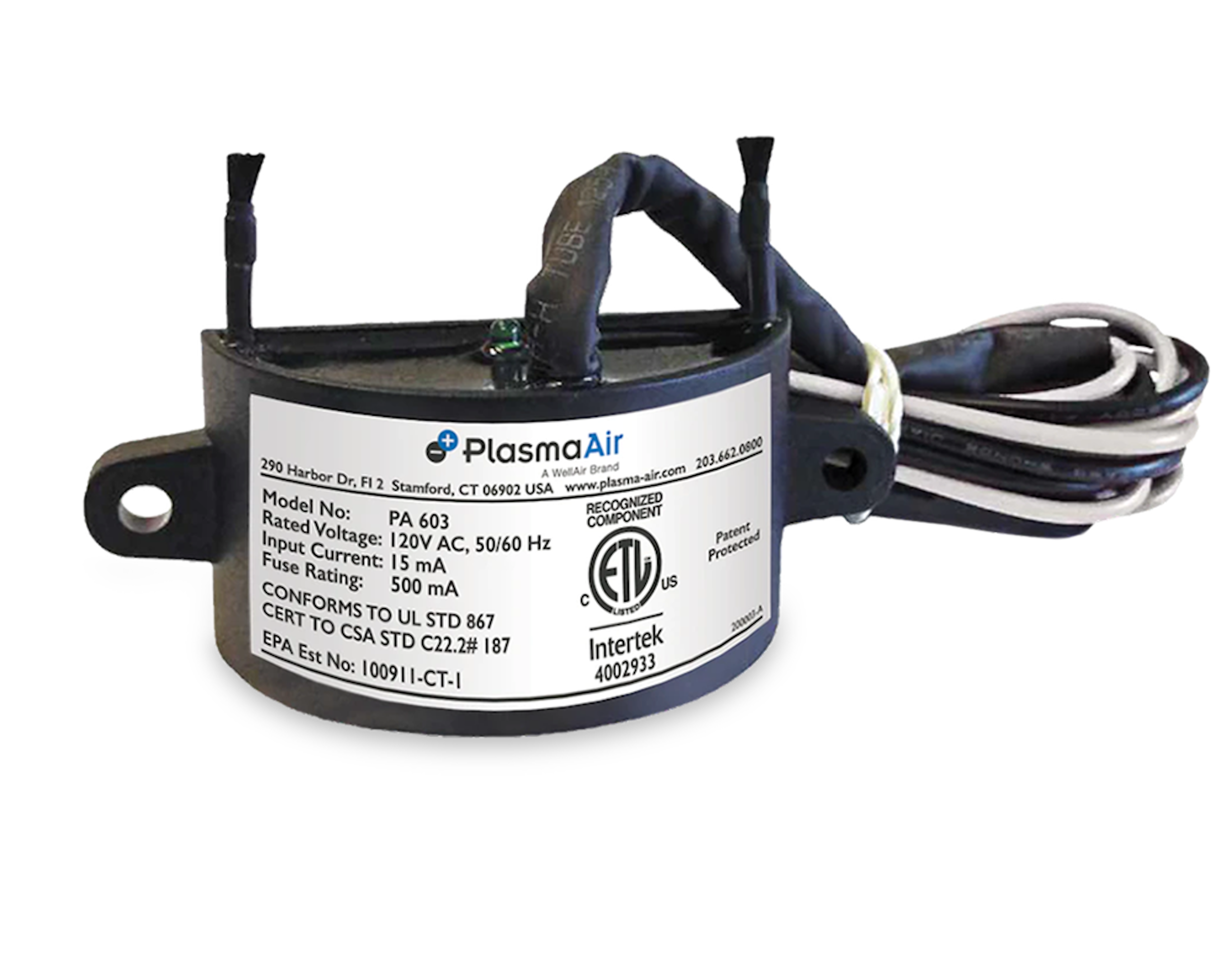
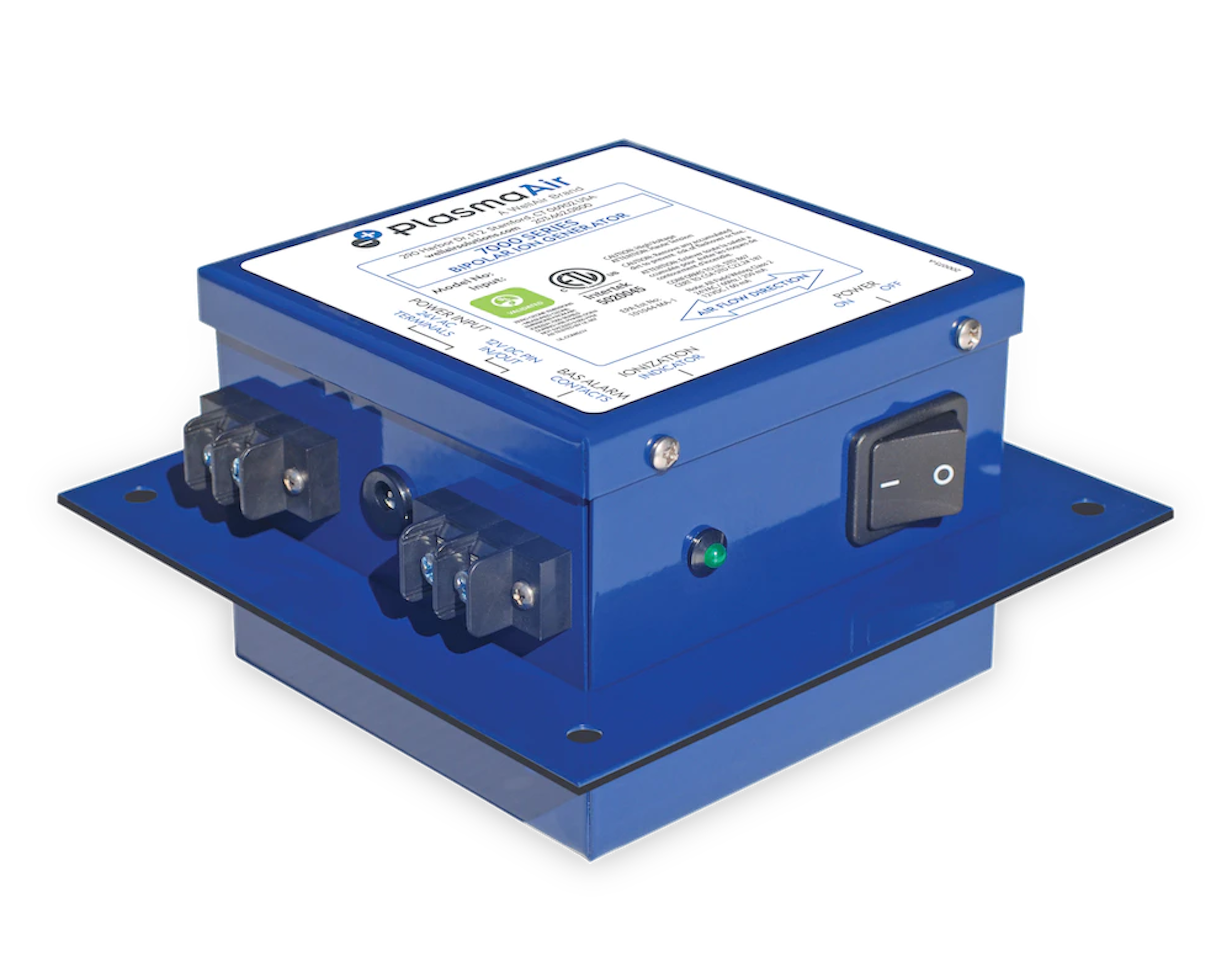
- Active air purification, like Plasma Air ionization technology
- Active air disinfection, like Novaerus NanoStrike technology
- Proper ventilation
- High-efficiency filtration
- Eliminating pollution sources
- Indoor humidity control
Explore Our Solutions for Cleaner Indoor Air
Purify Your Air
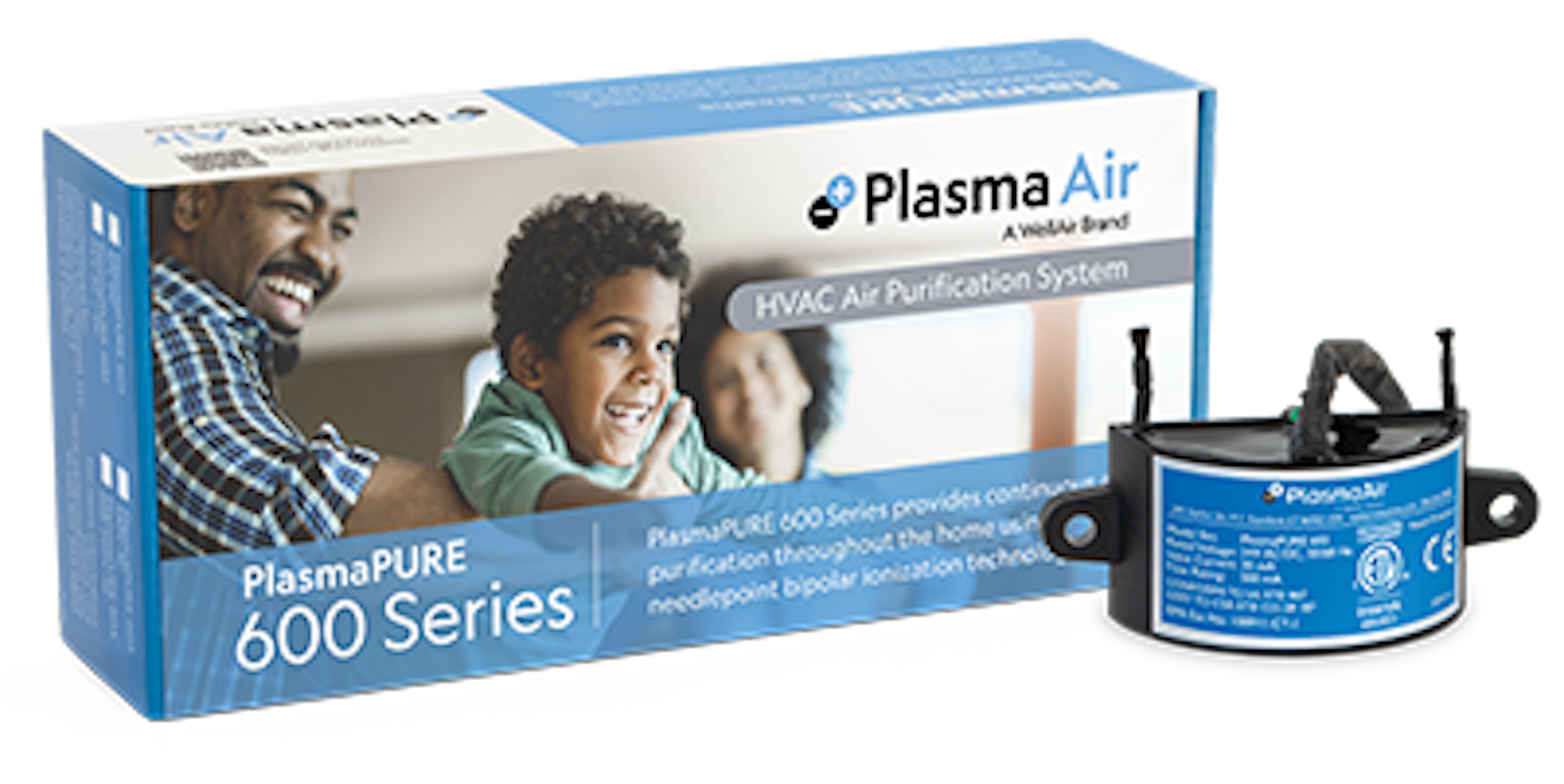
Contact us and learn more about NanoStrike in our portable units and Soft Ionization in our HVAC devices.