7 Steps to Clean Air for University Facility Teams
Building Healthier Residence Halls Before Student Move-In Day

More than 20 million students attend U.S. colleges and universities each year, with millions living in campus housing. Before move-in day, university facility teams have a narrow window to ensure residence halls are clean, safe, and ready for occupancy.
While fresh paint and polished floors are easy to see, indoor air quality (IAQ) is one of the most critical pre-occupancy preparations. Aging HVAC systems, high summer humidity, and hidden moisture can significantly impact student health and comfort.
Summer break gives facility teams a valuable opportunity to perform preventative maintenance, manage moisture, and establish healthier indoor environments before halls refill.
Aging Infrastructure Increases IAQ Risks
Many U.S. college residence halls date back over a century, while others were built during the major higher education expansion from the 1950s through the 1970s.
While many historic buildings have undergone HVAC modernization, older infrastructure presents unique facility management challenges:
- Aging mechanical HVAC equipment
- Building envelopes requiring ongoing seal maintenance
- Legacy plumbing infrastructure prone to leaks
- Moisture intrusion through roofs, windows, and foundations
- Ventilation designed for outdated occupancy densities
Combined with warmer, more humid regional weather patterns, proactive IAQ management is now essential for higher education facility planning.
Why Summer Break Is the Ideal IAQ Window
Reduced summer occupancy and altered HVAC schedules can unintentionally allow moisture and air pollutants to accumulate in empty residence halls.
Common Summer IAQ Risks Include:
- Elevated indoor relative humidity
- Condensation build-up on cooling coils and pans
- Unnoticed plumbing or storm roof leaks
- Stagnant air and dust accumulation in unoccupied rooms
- Moisture trapped behind furniture and wall coverings
The U.S. Environmental Protection Agency (EPA) states that the key to mold prevention is controlling moisture before mold spores propagate. The EPA recommends keeping indoor relative humidity below 60%, with an ideal target between 30% and 50% [1].
Addressing these factors before move-in prevents occupant complaints and costly emergency remediation during the academic term.
Mold Prevention and Bioaerosol Remediation
Universities invest substantial resources addressing residence hall mold issues each year. While some cases require localized cleaning, severe outbreaks can force temporary student relocations.
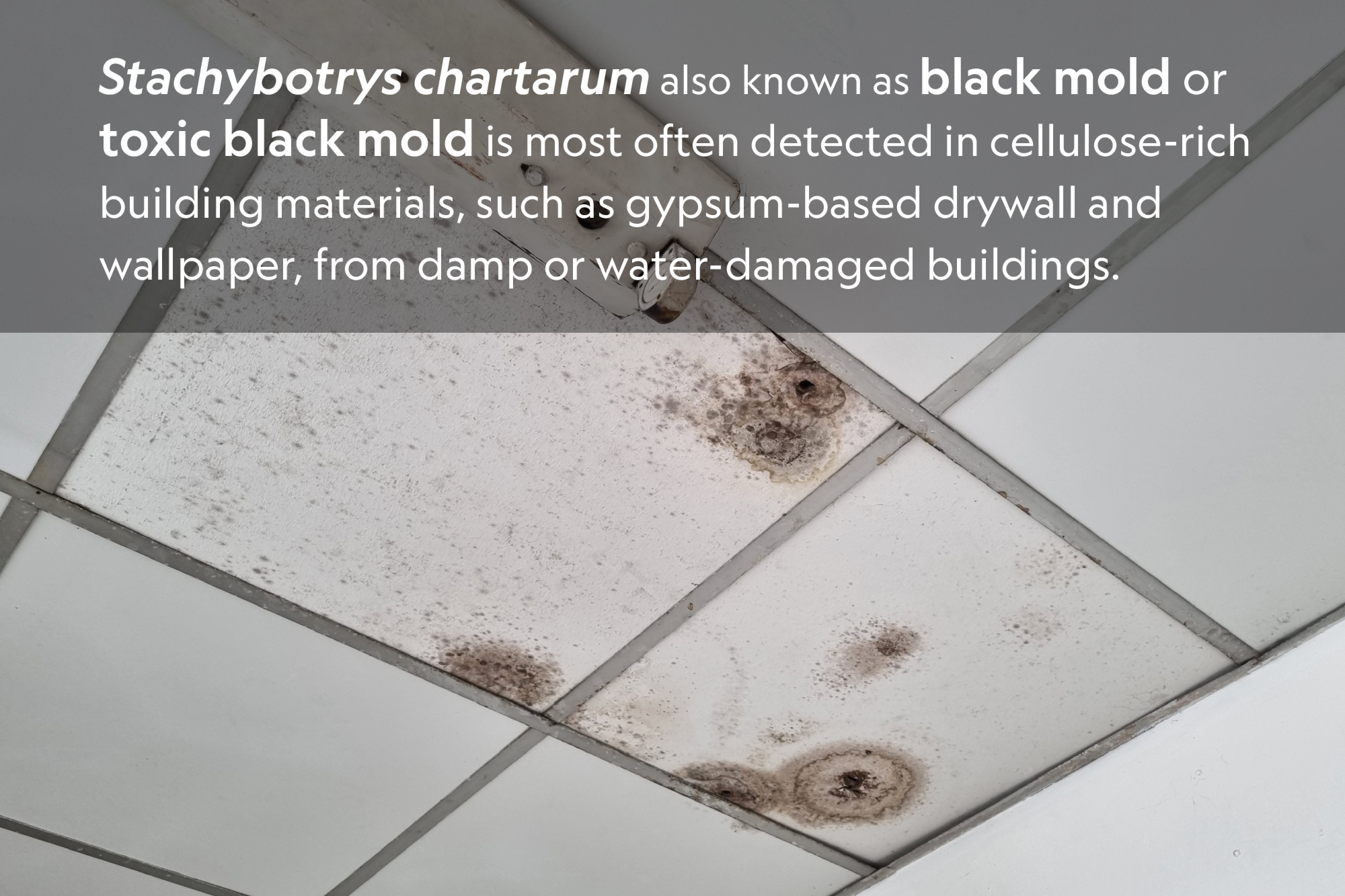
Mold growth typically begins long before spores become visible. Moisture from leaks or prolonged humidity allows fungi to colonize inside building materials and HVAC ducting, releasing microscopic bioaerosols into the air. Read our guide on bioaerosols and airborne mold.
The EPA advises that water-damaged materials must be cleaned and dried within 24 to 48 hours to prevent mold colonization [2]. Effective remediation requires removing both the moisture source and lingering airborne fungal spores.
The 7-Step Pre-Move-In IAQ Checklist
Facility teams can implement this structured 7-step checklist to prepare campus housing for move-in day:
DOWNLOAD THE 7-STEP IAQ CHECKLIST (PDF)
- Inspect the Building Envelope: Check roofing systems, window seals, exterior walls, and foundation drainage to stop water intrusion early.
- Service HVAC Systems: Replace filters, clean evaporator coils, clear condensate drain lines, and verify outdoor air damper operation.
- Control Indoor Humidity: Verify HVAC controls maintain target relative humidity (30–50%) in ground-floor rooms, basements, and communal bathrooms.
- Incorporate Whole-Building Air Cleaning: Deploy active HVAC technologies like soft bipolar ionization during and after mold remediation to neutralize circulating airborne spores.
- Upgrade Filtration: Increase MERV filter ratings where system static pressure allows, or add supplemental purification to support legacy HVAC units.
- Prioritize High-Risk Areas: Focus inspection efforts on previously repaired leak sites, vacant rooms, mechanical spaces, and plumbing chases.
- Verify IAQ with Continuous Monitoring: Track key parameters—including fine particulate matter (PM2.5), CO₂, humidity, and TVOCs—before students return.
Deploying Portable Air Cleaners in High-Traffic Spaces
For historic residence halls or renovated spaces with HVAC airflow limitations, standalone portable air disinfection units provide an vital secondary layer of protection.
Positioning medical-grade portable air purifiers in student lounges, study rooms, and post-remediation areas continuously captures fine particulate matter and inactivates airborne pathogens in the breathing zone.
Prepare Your Campus Residence Halls with WellAir
An effective IAQ program combines preventative maintenance, humidity control, MERV filtration, active HVAC air cleaning, standalone units, and real-time monitoring.
WellAir works with colleges and universities to implement science-backed air cleaning and monitoring solutions tailored for higher education facilities.
Contact the WellAir Education IAQ Team today to optimize your residence hall air quality before move-in day.