Allergens and Pollen: How Indoor Air Quality Can Help You Breathe Easier
Managing Outdoor Infiltration and Indoor Triggers to Improve Health, Comfort, and Productivity
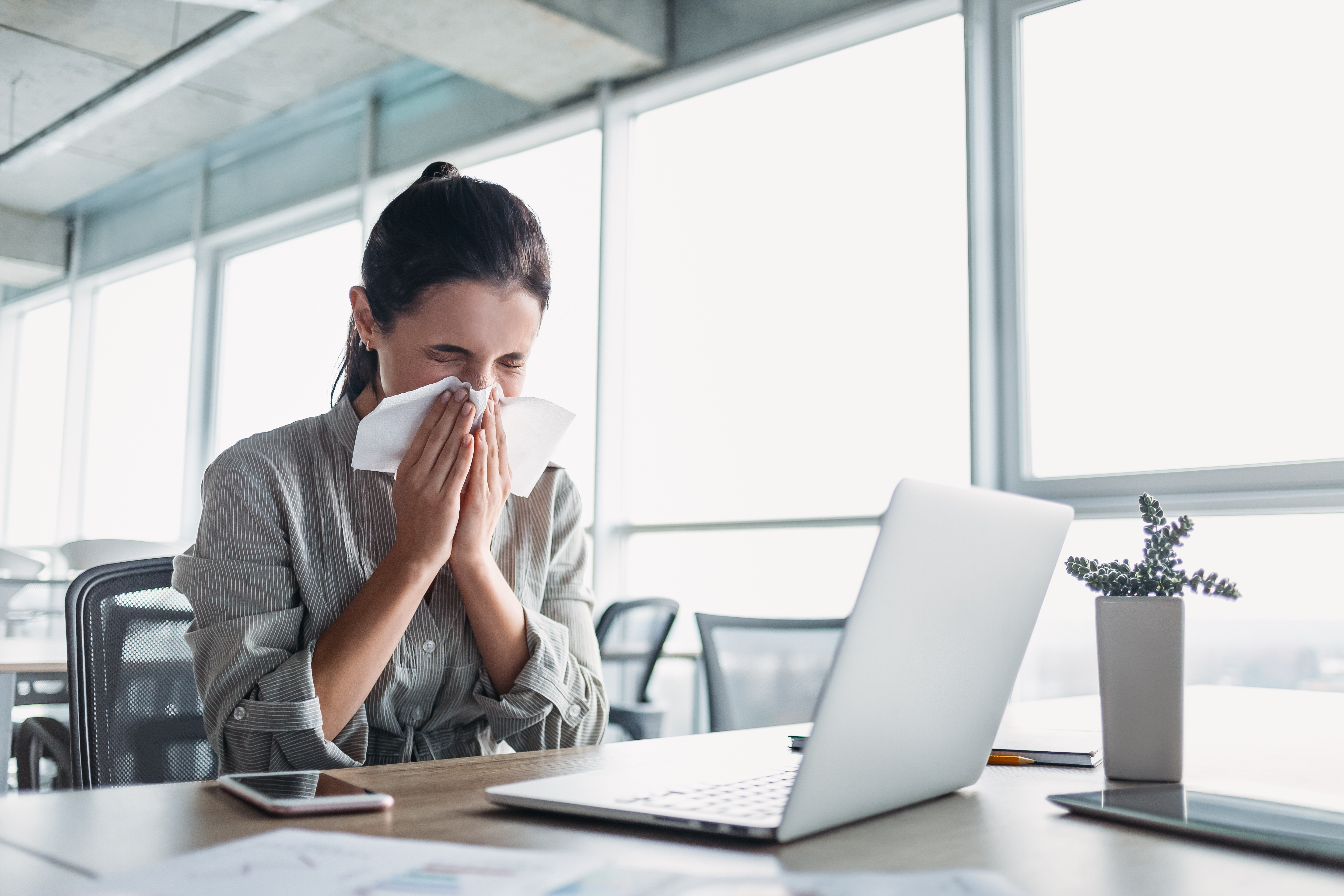
The Changing Landscape of Seasonal Allergies
Every spring, millions prepare for sneezing, itchy eyes, congestion, and fatigue. However, seasonal allergies are no longer confined to a few weeks each year. Across North America, allergy seasons start earlier, last longer, and produce higher pollen concentrations than ever before [1].
Critically, allergens do not remain outside. Once pollen, dust mites, pet dander, mold spores, and chemical irritants infiltrate a facility, they continue circulating indoors. These airborne contaminants trigger persistent symptoms across homes, commercial offices, schools, and healthcare facilities.
Improving indoor air quality (IAQ) is an essential strategy for reducing allergen exposure and establishing healthier, higher-performing indoor environments.
What Are Allergens?
Allergens are microscopic proteins or particles that trigger an overactive immune response in sensitive individuals. Upon inhalation or skin contact, the body releases histamines and inflammatory compounds, leading to acute physiological reactions:
- Frequent sneezing, runny nose, and severe nasal congestion
- Itchy, watery, or inflamed eyes and allergic conjunctivitis
- Coughing, wheezing, upper airway irritation, and asthma flares
- Sinus headaches, skin irritation, chronic fatigue, and sleep disruption
For individuals with asthma or underlying respiratory conditions, indoor allergen exposure directly impairs cognitive focus, daily productivity, and overall well-being [2].
Why Allergy Seasons Are Intensifying
Recent epidemiological and environmental data explain why seasonal allergy symptoms feel increasingly severe:
- Prevalence in the U.S.: Over 106 million Americans live with allergies and/or asthma [1], including 25.2% of adults and 20.6% of children diagnosed with seasonal allergic rhinitis [2].
- Extended Pollen Windows: North American pollen seasons have lengthened by approximately 20 days on average since 1990 [2].
- Climate Shift Impact: Rising global temperatures and elevated atmospheric CO₂ levels accelerate plant growth, prolonging pollen production windows and increasing pollen grain potency [1].
Common Airborne Allergens: Outdoor vs. Indoor
1. Pollen (Seasonal Outdoor Infiltrant)
Pollen is a fine powder released by plants for reproduction. It is the primary trigger for allergic rhinitis (hay fever) and peaks in distinct seasonal waves:
- Tree Pollen (Early Spring): Sourced primarily from oak, birch, maple, cedar, and pine trees.
- Grass Pollen (Late Spring/Summer): Released by Bermuda, ryegrass, timothy, and Kentucky bluegrass.
- Weed Pollen (Late Summer/Fall): Driven heavily by ragweed, sagebrush, and tumbleweed.
2. Indoor Allergen Accumulators
- Dust Mites & Household Dust: Dust is a complex matrix containing dust mite dander, microscopic skin flakes, fabric fibers, insect debris, and bacterial fragments. Dust mites thrive in bedding, carpets, upholstery, and soft furnishings.
- Pet Dander: Lightweight skin flakes and dried salivary proteins shed by cats, dogs, rodents, and birds remain suspended in indoor air currents for hours.
- Mold Spores: Fungi release microscopic spores that aggravate respiratory pathways. Common indoor proliferation zones include HVAC drip pans, basements, kitchens, bathrooms, and water-damaged materials.
- Chemical Irritants (VOCs): Volatile organic compounds from paints, synthetic cleaners, fragrances, and off-gassing furniture worsen airway inflammation and lower the threshold for allergic reactions.
The Indoor Infiltration Risk: How Allergens Enter Buildings
Outdoor pollen and particulates enter enclosed facilities through several primary pathways:
- Open doors, windows, and structural building envelope leaks
- Unfiltered fresh air intakes in commercial HVAC systems
- Attaching to occupant clothing, shoes, hair, skin, and pets
- Resuspension via foot traffic and HVAC air movement (the "Pig-Pen effect")
Once inside, fine allergens settle on floors and furniture. Routine occupant movement and ventilation currents continuously resuspend these particles into the breathing zone—extending occupant exposure long after outdoor pollen counts drop.
4 Strategies to Reduce Indoor Allergen Exposure
Minimizing indoor allergen exposure requires a multi-layered engineering approach:
- Active Air Purification Technologies: Combining in-duct systems with localized air cleaning actively reduces airborne particulates. Plasma Air HVAC ionization systems cause fine pollen and dander particles to cluster together so filters trap them more effectively, while portable Novaerus air disinfection units destroy airborne bio-aerosols continuously in occupied spaces.
- High-Efficiency Filtration: Upgrading to MERV 13+ or HEPA filtration in HVAC systems captures fine particulates, preventing the recirculation of pollen and dust mite debris.
- Ventilation & Humidity Control: Maintaining relative indoor humidity between 30% and 50% slows mold growth and dust mite proliferation while ensuring fresh, filtered air exchange.
- Real-Time IAQ Sensing: Utilizing continuous monitoring systems like WellAir NanoDetect + NanoView allows facility managers to track particulate spikes (PM2.5/PM10) in real time and automatically optimize ventilation rates.
Building Performance and Business Impact
Unmanaged indoor allergens directly affect commercial, educational, and healthcare outcomes by driving:
- Increased absenteeism and presenteeism (working while impaired)
- Reduced cognitive concentration and lower student test scores
- Decreased employee productivity and higher error rates
- Negative occupant perception of facility cleanliness and wellness
Implementing comprehensive IAQ strategies transforms indoor air from an unmanaged environmental variable into a measurable performance asset.
Transform Your Facility's Indoor Air
WellAir helps organizations design, monitor, and optimize indoor environments using an integrated ecosystem that lets you sense, monitor, purify, and validate indoor air quality across commercial office, healthcare, education, and residential sectors.
Sources & References
- Asthma and Allergy Foundation of America (AAFA). (2026). Allergy Capitals Report.
- Centers for Disease Control and Prevention (CDC). Allergies FastStats. U.S. Department of Health & Human Services.
- Climate Central. Climate Change and Allergy Season Trends in North America.