Hospital Infection Control in Hungary – Part 1
Part 1 of 2: Read New technology boosts hospital infection control in Hungary – Part 2.
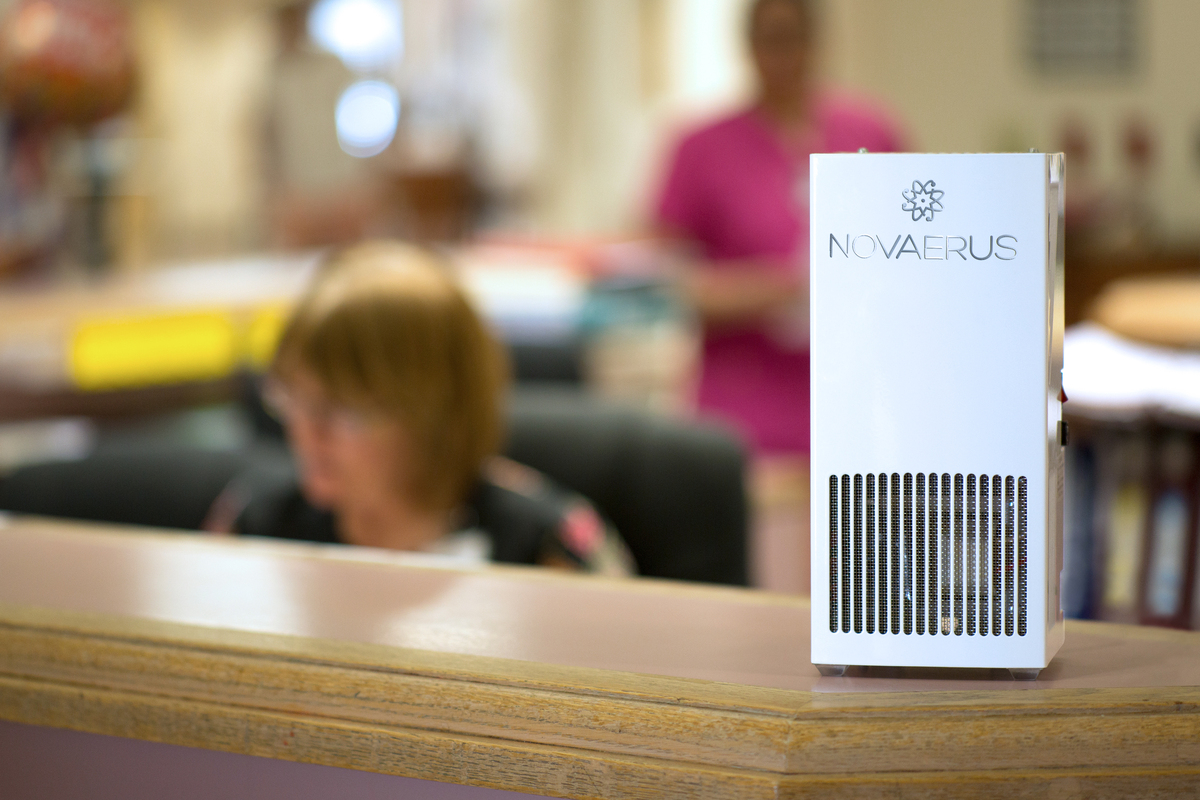
No hospital—in Hungary or anywhere worldwide—is immune to the rapid spread of healthcare-associated infections (HAIs). With superbugs on the rise and traditional hand hygiene compliance remaining notoriously low due to staff fatigue, Hungarian hospitals are adopting continuous air disinfection technology to stop airborne pathogens before they settle on medical equipment, surfaces, and staff.
The Scope of the Hospital Infection Crisis in Hungary
Each day, an estimated 1.4 million patients globally acquire an infection while receiving care in a hospital setting. In Hungary, the impact is severe:
Healthcare-Associated Infection Impact in Hungary:
- Annual Incidence: More than 15,000 hospital patients become infected every year.
- Mortality: Hundreds of patients die annually from preventable healthcare-acquired infections.
- Rising Superbugs: Multidrug-resistant pathogens—including MRSA, VRE, and resistant E. coli—pose a growing threat, particularly to Hungary’s aging population.
- Extended Hospital Stays: According to the National Center for Epidemiology in Budapest, superbug infections increase patient hospital stays by an average of 25 days.
The economic burden is substantial. Extended stays demand prolonged, costly therapeutic regimens, and severe viral outbreaks can force entire hospital wards to close.
Innovative Air Disinfection in Hungarian Healthcare
To combat these challenges, Hungary’s Ministry of Human Capacities prioritized infection control, allocating additional government funding to safeguard patients and healthcare workers.
Through proven pathogen inactivating technology, airborne viruses and bacteria can be destroyed while still suspended in ambient air—preventing them from settling on bed rails, medical tools, or personal protective equipment (PPE).
To date, 18 Hungarian healthcare facilities—including Uzsoki Utcai Kórház, Mátrai Gyógyintézet, and Bács-Kiskun Megyei Kórház—have deployed portable Novaerus air disinfection units.
“Most hospitals start with the highest risk areas, such as the ICU, neonatal, isolation rooms, and small operating theatres,” notes Gergely Szíjjártó, CEO of M-Solution Ltd., exclusive distributor of Novaerus technology in Hungary. “Hungarian hygiene specialists understand that air disinfection is important and highly effective.”
Equipped with NanoStrike™ technology, these units protect clinical staff alongside vulnerable patients while neutralizing volatile organic compounds (VOCs) and hospital odors.
Why Hand Hygiene Alone Is Not Enough
Infection prevention strategies have historically centered on hand hygiene and manual surface disinfection. While both remain essential, hand hygiene alone falls far short of preventing cross-contamination.
Pathogens survive readily on intact human skin. A nurse’s hands can become contaminated through simple routine tasks—such as taking a pulse or measuring temperature—with risk escalating during wound care or ventilator management.
Global Compliance Realities
Despite protocol training, hand hygiene compliance worldwide remains dangerously low:
- Sub-40% Compliance: The World Health Organization reports that global hand-hygiene compliance is typical under 40%.
- Technique Shortfalls: Clinical observations show workers routinely miss the backs of their hands, use insufficient soap, and wash for only 11 seconds on average rather than the required 20–30 seconds.
- Hungarian Data: A study across 13 Hungarian hospitals concluded that hand hygiene frequency and execution were unsatisfactory.
- Glove Misuse: Research shows 60% of workers fail to sanitize hands before donning gloves, and 80% neglect sanitation after glove removal.
- Real-Time ICU Tracking: A Swiss ICU study utilizing head-mounted cameras revealed actual hand-hygiene compliance was between 1% and 5%, with staff touching surfaces or patients every 4 seconds.
These shortfalls stem not from lack of care, but from extreme workload, staff exhaustion, and rapid automatic physical movements in fast-paced clinical environments. Because perfect hand hygiene compliance is functionally impossible to guarantee, surface and continuous air cleaning become vital components of infection defense.