Tuberculosis (TB) Is Still a Global Problem
Addressing the Resurgence of Multi-Drug-Resistant TB Strains and the Role of Air Disinfection Technologies
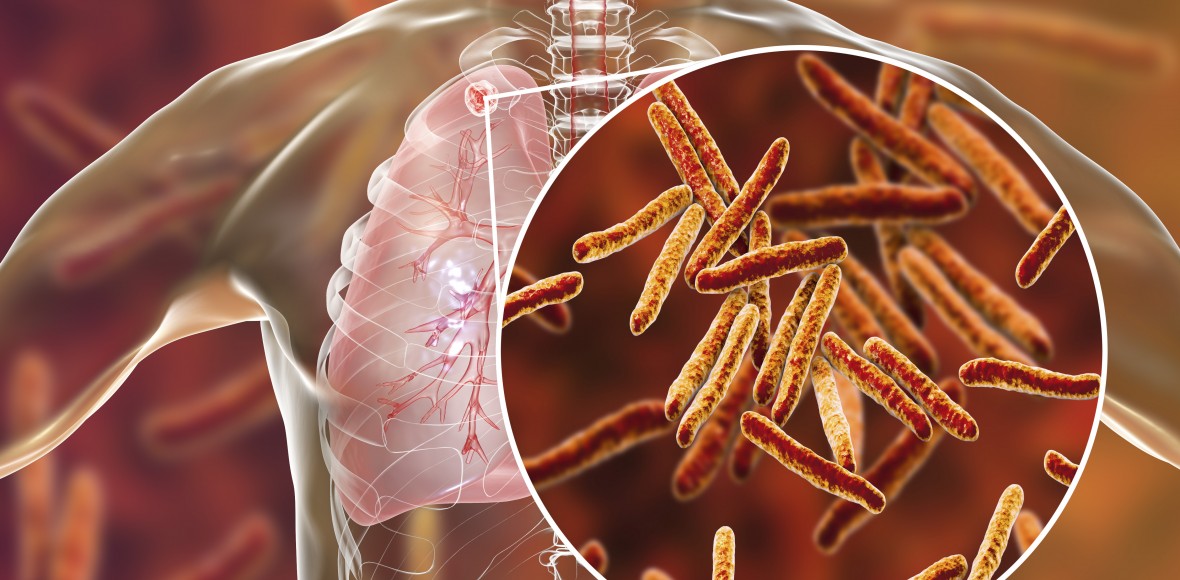
Over the course of human history—in ancient Egypt, medieval Europe, and 19th-century North America—tuberculosis (TB) has surged and waned, causing massive pain and mortality before receding. During one period of decline in 1915, the New York Times warned of the pressing need to eradicate the disease, cautioning that "the decline has lulled us into a false sense of security."
A century later, tuberculosis has resurged with increased severity. New, drug-resistant strains of the TB bacterium are spreading worldwide, creating what the World Health Organization (WHO) classifies as a global emergency.
While tuberculosis has been curable with antibiotics since the 1950s, it remains a leading cause of death from infectious disease globally—killing 1.25 million people annually, including 214,000 children.
The Evolution of Drug-Resistant TB Strains: MDR-TB and XDR-TB
Each year, 10 million people contract TB. However, public health experts are particularly alarmed that over half a million patients acquire **Multi-Drug-Resistant TB (MDR-TB)**—a strain resistant to the two most potent first-line antibiotics, isoniazid and rifampicin.
Even more severe is **Extensively Drug-Resistant TB (XDR-TB)**, which resists costly second-line drugs. XDR-TB has been reported in at least 123 countries and accounts for roughly 6% of all drug-resistant TB cases.
How Drug Resistance Develops and How It Is Treated
Tuberculosis becomes drug-resistant when patients are unable to complete their extensive treatment regimens or when drug therapy is mismanaged.
- Standard TB Treatment: Requires a strict regimen of four antibiotics taken over 6 to 9 months.
- MDR-TB Treatment Complexity: Involves daily injections for 6 months, IV infusions for up to two years, and up to 14,000 total pills. Side effects can include hearing loss, psychosis, and kidney damage.
- Low Treatment Success Rates: Worldwide, only 25% of individuals with MDR-TB are enrolled in treatment, with a 55% success rate. For XDR-TB, only 30% of patients are successfully cured.
Global Spread and Airborne Transmission Dynamics
Droplets carrying Mycobacterium tuberculosis are expelled airborne when an infected individual coughs, sneezes, sings, or speaks. These infectious bioaerosols can remain suspended in air currents for hours, easily spreading through hospitals, prisons, and poorly ventilated facilities.
Global Statistics on the Reach of Tuberculosis:
- High Burden in Europe: Of the 10 countries with the highest burden of MDR-TB, nine are in the WHO European Region. Furthermore, 88% of MDR-TB cases occur in middle- or high-income nations.
- Concentration in Asia: India accounts for 27% of global TB deaths. China experiences over 900,000 new cases per year—representing 16% of all new global cases.
- Southeast Asia Region: Contains 25% of the global population but accounts for nearly half of all TB cases and deaths worldwide.
Comprehensive Strategies: New Therapeutics and Continuous Air Disinfection
Halting the global TB epidemic requires a multi-pronged approach combining clinical innovation, improved diagnostic capabilities, and environmental air control.
Halting Bioaerosol Transmission with Hospital-Grade Air Treatment
Because Mycobacterium tuberculosis spreads as an airborne bioaerosol, inactivating microbes in shared air before they circulate through corridors and patient rooms is vital.
Deploying hospital-grade air disinfection units powered by Novaerus NanoStrike™ technology provides continuous 24/7 protection against drug-resistant pathogens.
- Rapid Pathogen Inactivation: Ultra-low-energy plasma destroys airborne bacteria, viruses, and fungal spores on contact at the cellular level.
- Efficacy Against Drug-Resistant Microbes: Independently tested for efficacy against antibiotic-resistant pathogens, including MRSA, VRE, and drug-resistant Mycobacterium tuberculosis.
- Safe for Continuous Clinical Use: Novaerus portable air units operate continuously in occupied spaces without producing harmful ozone or chemical byproducts