Adenovirus in the NICU: Protecting the Most Vulnerable Patients
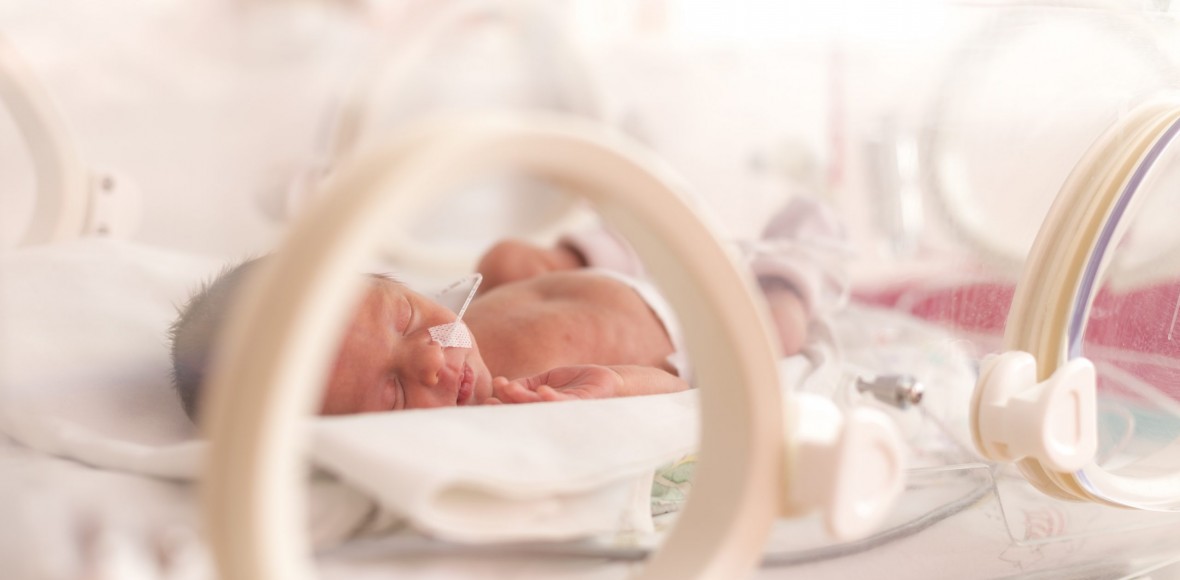
Late one summer at the Children’s Hospital of Philadelphia, routine microbiological surveillance revealed a alarming spike in the neonatal intensive care unit (NICU): Over just four weeks, 23 newborns tested positive for adenovirus—a virus that had not infected a single NICU patient there the entire previous year.
In healthy children, adenovirus particles—which are launched into the air by coughs and sneezes and can survive for weeks on hard surfaces—cause little more than a sore throat or pink eye. But in fragile newborns, adenovirus can trigger severe respiratory complications.
Among the infected infants in Philadelphia, 12 required supplemental breathing support, 5 developed pneumonia, and 4 tragically died.
An investigation traced the outbreak back to contaminated eye-exam instruments—lenses and scopes that had been handled exclusively by healthcare providers. The finding highlighted a critical lesson: adenovirus can spread rapidly even through equipment that does not make direct, long-term contact with patients.
An Ongoing Threat Beyond COVID-19
While recent hospital infection control has focused heavily on SARS-CoV-2, containing opportunistic pathogens has always been an urgent battle in the NICU. The pandemic simply heightened these existing risks, prompting facilities to bolster their defenses to protect vulnerable infants and reassure parents.
To curb pathogen transmission, hospitals have implemented multi-layered strategies:
- Minimizing staff and visitor traffic around NICU beds
- Strengthening hand hygiene and PPE compliance protocols
- Deploying continuous air disinfection technology to eradicate airborne pathogens in real time
“This is an exceptional time,” notes Dr. Hany Aly, Chair of Neonatology at Cleveland Clinic. Yet while current protocols were expanded during the pandemic, heightened infection control in the NICU remains essential long-term.
Airborne Pathogens: A Constant NICU Risk
Across developed nations, up to 25% to 30% of NICU infants contract a viral, bacterial, or fungal infection during their stay—with developing countries bearing an even higher burden.
According to the global Outbreak Database, NICUs account for 18% of all hospital infection outbreaks. Dr. Jayashree Ramasethu, NICU Director at MedStar Georgetown University Hospital, warns these figures may represent “only the tip of the iceberg.”
Why NICU Patients Are So Susceptible
Premature and critically ill infants face elevated infection risks due to several compounding factors:
- Immature Immune Systems: Underdeveloped defenses make it difficult to fight off minor viral or bacterial loads.
- Fragile Skin Barriers: Delicate skin breaks down easily, allowing environmental microbes to enter the bloodstream.
- Invasive Devices: Essential life-support equipment—including ventilators, feeding tubes, and central catheters—provides direct pathways for bacterial entry.
“Infection spread in the NICU presents a daunting trifecta: serious consequences for patients, huge economic burdens, and severe staffing issues.”
— Dr. Jayashree Ramasethu, NICU Director, MedStar Georgetown University Hospital
A German review of 276 NICU outbreaks found that the average outbreak affects 24 infants with a 6.4% mortality rate. Financially, British research shows an healthcare-associated infection often adds weeks to a newborn’s hospital stay while more than doubling treatment costs.
The Rising Threat of Superbugs like MRSA
While infants generally experience milder outcomes from COVID-19 compared to adults, the same cannot be said for bacterial superbugs. Among the dangerous pathogens lurking in hospital environments, Methicillin-resistant Staphylococcus aureus (MRSA) poses one of the severe threats to neonates.
Research from Yale University School of Medicine highlights that neonates are uniquely vulnerable to MRSA colonization. Approximately 30% of colonized infants go on to develop invasive infections, which can lead to:
- Sepsis and endocarditis
- Meningitis
- Necrotizing pneumonia
- Severe respiratory tract infections
A multi-center study reviewing data from 149 NICUs revealed a 308% surge in MRSA infections over a single decade.
The financial and operational impact of superbug transmission is substantial. Research indicates an MRSA infection in the NICU increases a newborn’s length of stay by an average of 40 days, adding over $164,000 in costs per patient.
How Surface and Airborne Transmission Occur
MRSA bacteria and droplets linger easily in shared air and survive for weeks on physical surfaces—including floors, door handles, sinks, nursing scrubs, and linens.
The speed of transmission was demonstrated in a Danish study: when a triplet carrying a rare MRSA strain was transferred between facilities, 32 newborns in the receiving NICU quickly became colonized with the same strain. The index infant had originally acquired the bacteria simply by staying in a room adjacent to an isolation unit housing an MRSA-infected patient.
To eliminate these vectors, modern infection prevention requires addressing surface, hand, and airborne exposure simultaneously.
👉 Read Part 2: Infection Spread in the NICU: “The Tip of the Iceberg”