When Motion Spreads Infection: The Pig-Pen Effect
How Human Movement Resuspends Airborne Pathogens in Indoor Environments
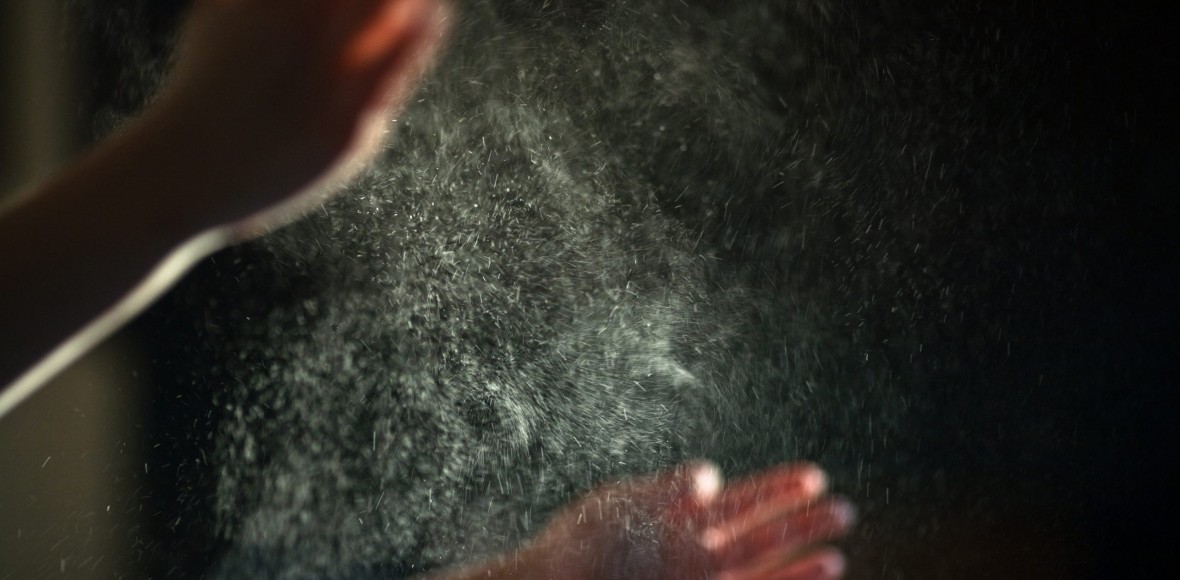
What Is the Pig-Pen Effect?
In the 1950s, cartoonist Charles Schulz introduced Pig-Pen to the Peanuts comic strip—a character famously enveloped by a persistent cloud of dust and dirt.
In reality, humans act as natural particle magnets, and this physical phenomenon plays an underappreciated role in the airborne spread of infectious disease.
When airborne pathogens land on floors, clothing, bedding, or furniture, routine human activity—walking down a hallway, opening a door, or changing a lab coat—kicks those settled microbes back into the air. Once resuspended on dust particles, these "aerosolized fomites" can be inhaled or swallowed.
"Aerosols can settle to the ground, where they are resuspended into air just by us walking around. This causes a secondary opportunity for transmission by aerosols. We call this the Pig-Pen effect," explained Dr. Linsey Marr, an environmental engineer and aerosol specialist at a National Academies workshop on airborne transmission.
Research demonstrates that influenza, norovirus, Clostridium difficile (C. diff), and SARS-CoV-2 spread via aerosolized fomites. Dr. William Ristenpart, a chemical engineer at the University of California, reported that rubbing a flu-contaminated paper tissue releases several thousand micron-scale particles into the air.
Walking Kicks Up Millions of Particles Per Minute
While coughing, sneezing, and talking emit primary respiratory droplets, human movement generates massive secondary dust clouds that remain invisible to the naked eye.
Physical Activity & Resuspension Metrics:
- Adult Foot Traffic: An adult walking across a room resuspends 10 to 100 million particles per minute into breathing zones, according to aerosol scientist Dr. Brandon Boor of Purdue University.
- Bedding Activity: Tossing and turning on a mattress or changing hospital bed linens stirs up comparable levels of biological dust.
- Pediatric Exposure: A study published in Environmental Science & Technology revealed that one minute of crawling on a carpet causes 1,000 to 10,000 resuspended dust particles to deposit directly into an infant's respiratory tract.
Hospital Evidence: C. diff, Norovirus, and COVID-19 Shedding
Well before COVID-19, clinical research highlighted how everyday activities circulate pathogens:
- C. difficile Spores in Wards: An Oxford hospital study published in Clinical Infectious Diseases tracked airborne C. diff concentrations over 10-hour shifts. Airborne bacterial spikes correlated directly with movement-heavy routines like food delivery, ward rounds, and curtain drawing.
- Norovirus Disinfection Risks: A study in the Journal of Hospital Infection detected norovirus particles in 27 of 36 post-cleaning air samples, showing that standard floor mopping aerosolizes viral particles where they can be inhaled and swallowed.
- PPE Removal Areas in Wuhan: COVID-19 hospital sampling published in Nature found the highest concentrations of airborne viral RNA not in patient rooms, but in rooms where medical staff removed protective gowns and masks.
Experimental Proof: Aerosolized Fomites Cause Disease
To test whether resuspended particles cause actual clinical infections, Dr. Ristenpart's team conducted controlled transmission trials in guinea pigs, published in Nature Communications.
Researchers applied liquid influenza virus to the fur, ears, and paws of flu-immune guinea pigs. The animals were placed in cages designed so that air flowed into adjacent cages holding uninfected, vulnerable guinea pigs without allowing physical contact.
Because the infected animals were immune and did not cough or sneeze, the only vector was viral particles dislodged from their fur during normal movement. Within one week, 25% of the vulnerable rodents contracted influenza, proving that aerosolized fomites transmit active viral infection.
Why 24/7 Active Air Disinfection Is Essential
Because human movement and occupant traffic are continuous, particle resuspension changes minute by minute. Surface cleaning is necessary, but microbial counts recover quickly; studies show hospital bed rails require professional cleaning every 2 hours to maintain safe thresholds.
To prevent the Pig-Pen effect from spreading illness across hospitals, schools, and commercial buildings, facilities require continuous, 24/7 air disinfection.
Neutralizing Pathogens with Novaerus NanoStrike™
Novaerus air disinfection units powered by patented NanoStrike™ technology use an ultra-low energy plasma field to destroy airborne pathogens instantly:
- Instant Cellular Destruction: NanoStrike bursts viral capsids, bacterial cell walls, and fungal spores at the DNA level within nanoseconds.
- Continuous Safe Operation: Generates zero toxic by-products or ozone, making it safe for 24/7 operation around critical care patients in ICUs and operating rooms.
- Proven Surrogate Efficacy: Independent testing validates that NanoStrike destroys MS2 Bacteriophage (a surrogate for SARS-CoV-2), influenza, C. diff spores, and volatile organic compounds (VOCs) that cling to dust particles.
Protect Your Facility from Aerosolized Pathogens
Human activity will always stir up dust and bio-aerosols. Deploying continuous NanoStrike plasma technology ensures that resuspended particles are inactivated before they circulate.
Explore how WellAir protects healthcare, education, and commercial environments.