Nursing Home Infections: An Expensive and Increasing Threat
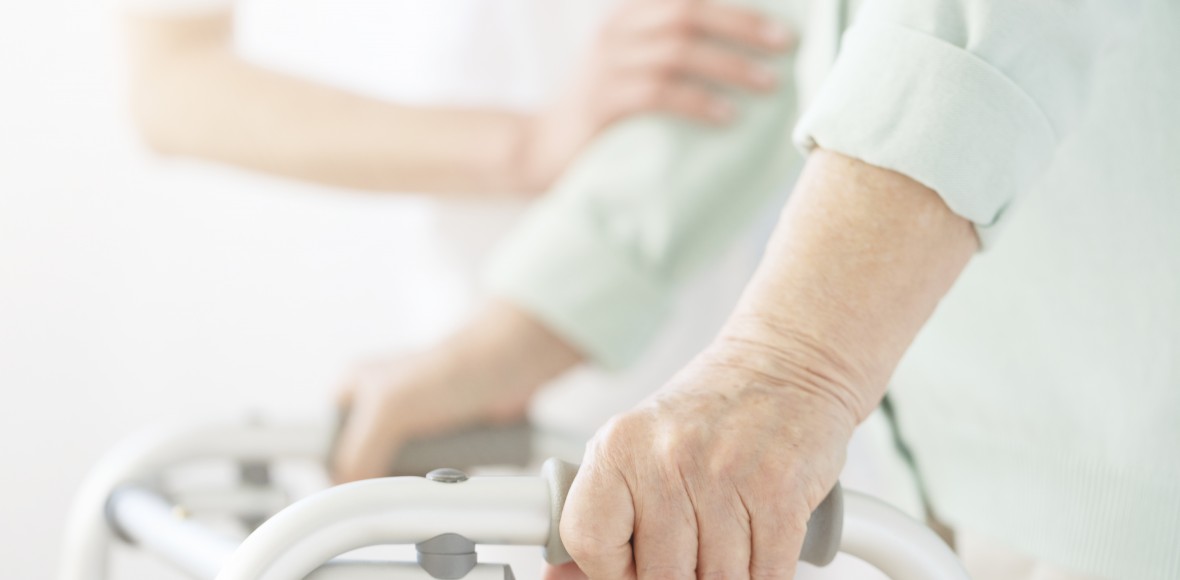
While hospital-acquired infections receive significant coverage, healthcare-associated infections (HAIs) in long-term care facilities remain a major, unappreciated public health hazard. Millions of elderly residents are infected annually, leading to hundreds of thousands of deaths and substantial financial burdens for care facilities.
The Escalating Scope and Cost of Nursing Home HAIs
Volumes have been written about the massive human and financial costs of the infection crisis facing hospitals worldwide. Less attention has been paid to infection spread in nursing homes—an unappreciated hazard poised to worsen as populations age and antimicrobial resistance increases.
Annual Global Burden of Nursing Home Infections:
- Europe: 4.2 million healthcare-associated infections per year.
- United States: 1.6 to 3.8 million infections per year.
- Mortality: Resulting in approximately 380,000 deaths annually.
Norovirus and influenza rates are rising in long-term care settings, along with antibiotic-resistant "superbugs" like Methicillin-resistant Staphylococcus aureus (MRSA) and Clostridium difficile (C. diff), which are now considered endemic in nursing home facilities.
The High Cost and Prolonged Duration of Outbreaks
Microbiologists analyzing 34 nursing home MRSA outbreaks concluded that when a highly resistant microorganism strikes, the outbreak duration is often much longer than in a hospital setting because residents reside in the facility long-term.
- Dutch Study Findings: Over half of analyzed outbreaks lasted at least 100 days; six persisted for over 11 months, including one outbreak striking 79 patients and costing the facility €975,000 (~$1.1M USD).
- German Review Findings: On average, nursing home outbreaks lasted 163 days and cost €12,682 ($14K USD) per incident in direct cost drivers such as extra staffing, specialized cleaning, linens, and personal protective equipment (PPE).
Compared to acute care hospitals, long-term care facilities treat more vulnerable patients in environments that foster pathogen spread—all while operating with smaller cleaning budgets, lower isolation capacity, and less specialized infection control expertise.
“It is difficult to apply the practice of infection control in the hospital environment to the realities and practicalities of infection control in long-term care facilities.”
— Donald Kaye, M.D., Infectious Disease Expert, Drexel University College of Medicine
“Unless we can improve infection prevention and control in nursing homes, this problem is only going to get worse as the baby boomers age and people are able to live longer with increasingly complex, chronic diseases.”
— Carolyn Herzig, Director of Long-Term Care Infection Prevalence Study
How Pathogens Spread in Long-Term Care Facilities
While surface contact and hand hygiene lapses—such as unwashed hands or re-used cleaning cloths—contribute significantly to infection control failures, surface transmission represents only part of the threat.
Surface vs. Airborne Pathogen Transmission
Airborne transmission plays a critical role in spreading respiratory and gastrointestinal viruses. Coughs, sneezes, talking, and simple exhalations launch infectious aerosols into the air. These microscopic particles can remain suspended for hours in communal spaces like dining halls, lounges, and therapy rooms before being inhaled or landing on surfaces.
Once settled on bedding, furniture, or mobility equipment, pathogens can be re-aerosolized into the air when sheets are changed, privacy curtains are pulled, or doors are opened.
A University of Leeds study revealed that the air surrounding 70% of infected C. difficile patients tested positive for airborne bacteria, prompting researchers to warn of the health risks posed by airborne aerosolization in clinical environments.
Heightened Vulnerability Among Elderly Residents
The average long-term care resident today is older and has higher care acuity than in past decades. According to the CDC, approximately 53% of nursing home residents are age 85 or older.
Shorter hospital stays mean patients are transferred to nursing homes while recovering from surgery, using ventilators, or requiring urinary catheters. Combined with frequent transfers between hospitals and rehabilitation facilities, thin skin susceptible to tears, and shared communal dining spaces, pathogens spread rapidly among vulnerable populations.