Preventing Surgical Site Infections in the Operating Room: Part 2
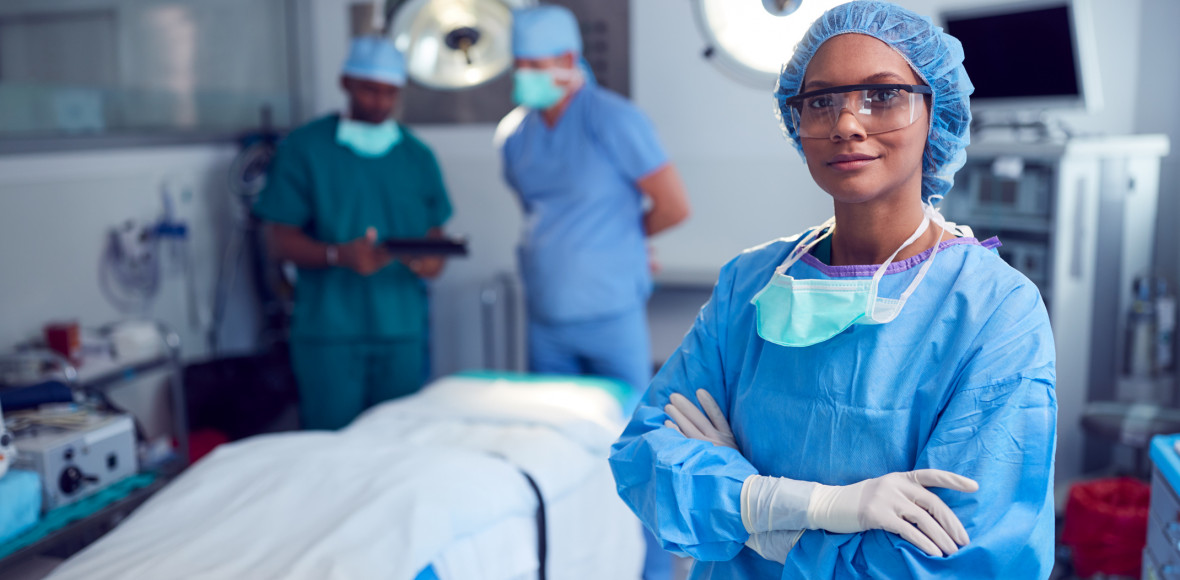
Air Contamination in the Operating Theatre
For decades, surgical site infection (SSI) risks were attributed primarily to patient health, surgical technique, and instrument sterility. While factors like smoking, obesity, and diabetes increase patient vulnerability, researchers note that operating room (OR) air quality is often overlooked.
In orthopedic and cardiothoracic procedures, SSI risks strongly correlate with the concentration of airborne bacteria in the surgical field. For example, research confirms airborne transmission of Mycobacterium chimaera from heater-cooler units during open-heart surgery—even in operating rooms equipped with ultraclean laminar airflow.
Genetically Linking Air Contaminants to Surgical Infections
In a study collecting air samples across 124 surgical procedures, researchers analyzed 11 cases (9% resulting in confirmed infection) and found significantly higher bacterial concentrations in the air during procedures that resulted in infections.
Using genetic sequencing, scientists matched the airborne pathogens directly to patient wound cultures:
- 8 of 11 cases: Direct species match between airborne bacteria and wound isolates.
- 6 of 11 cases: Identical ribotypes between air samples and wound cultures.
These infections occurred despite strict protocols: sterile gowns and gloves, triple skin disinfection, prophylactic antibiotics, chlorine floor cleaning, and HEPA filtration. Air sampling still revealed high concentrations of S. aureus, Klebsiella spp., and Acinetobacter spp.
How Pathogens Infiltrate Surgical Wounds
Airborne pathogens originate from skin squames, clothing fibers, dust, and respiratory aerosols. Once airborne, contaminants travel through two primary mechanics:
- Thermal Convection Currents: Temperature gradients between human bodies and the room drive particles upward and across the sterile field.
- Foot Traffic Eddies: Door openings and movement resuspend settled particles from non-sterile floors.
French surgeon Dominique Chauveaux notes that in 30% of airborne SSI cases, bacteria settle directly into the wound. In the remaining 70% of cases, bacteria settle onto surgical instruments or surgical gloves before being transferred into the surgical site.
Beyond Antibiotics: Active Air Disinfection in the OR
Relying solely on prophylactic antibiotics creates severe antimicrobial resistance risks. As American orthopedic surgeon Dr. Bryan Springer emphasizes, surgeons must practice strong antibiotic stewardship.
Behavioral Protocols vs. Active Engineering Controls
Behavioral adjustments—limiting door openings, minimizing conversation, and removing gloves away from sterile trays—have only a marginal impact on reducing OR contamination.
To achieve substantial reductions in airborne bio-aerosols, hospitals utilize active air disinfection, such as NanoStrike™ technology from WellAir:
- Cellular Pathogen Inactivation: Unlike passive HEPA filters that only trap microbes, Novaerus devices use NanoStrike coils to burst airborne pathogen cell membranes on contact, inactivating viruses, bacteria, and mold spores in real time.
- FDA Cleared Medical Technology: Cleared by the FDA as a Class II Medical Device, the Novaerus Defend 1050 neutralizes bio-aerosols and mitigates surgical smoke—a toxic blend of VOCs and ultrafine particles from cautery tools that causes respiratory irritation and headaches in OR staff.
Elevating Healthcare Safety with WellAir
Surgical site infections represent a massive financial and clinical burden worldwide. Deploying continuous air disinfection alongside standard sterile protocols provides the necessary defense against airborne contamination.
As surgeon Robert Sawyer wrote in The Lancet Infectious Diseases, "An ounce of prevention is worth a pound, yuan, birr, or peso of cure."
Learn more about WellAir indoor air quality solutions for healthcare facilities.