Cleaner Air in the Operating Room: Mitigating Surgical Site Infections
Addressing Airborne Contamination to Protect Orthopaedic and Implant Patients from Multidrug-Resistant Superbugs
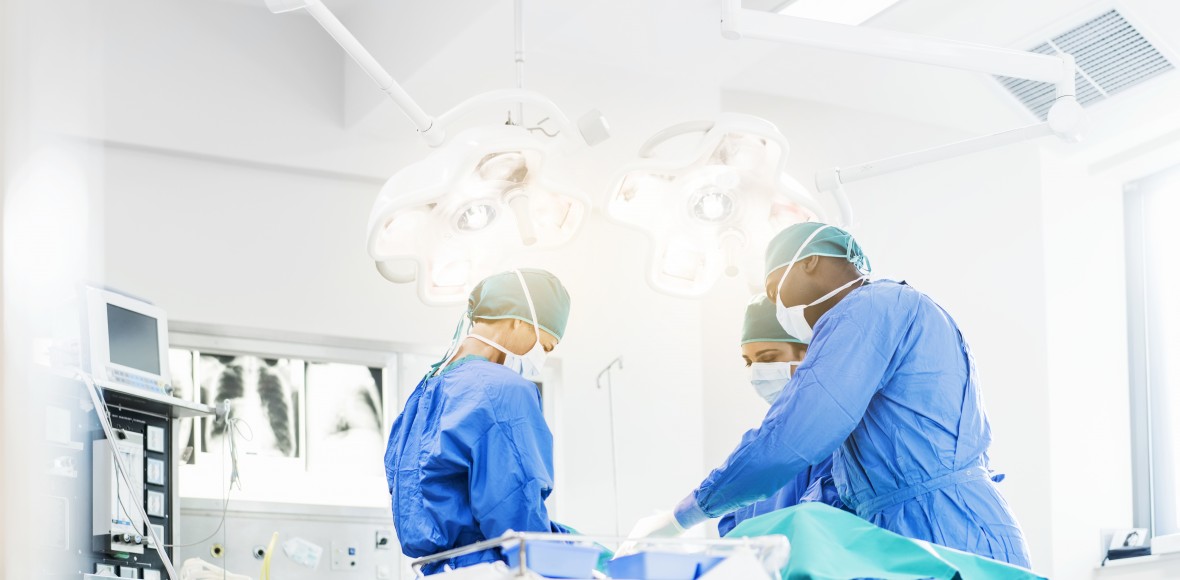
The Growing Threat of Surgical Site Infections (SSIs)
As populations age and antibiotic-resistant superbugs become more prevalent, healthcare systems face a severe infection control challenge. Bacterial pathogens that were once easily managed with standard antibiotics have become grave, occasionally lethal threats—and nowhere is this risk higher than inside the operating theater.
Surgical site infections (SSIs) rank among the most common healthcare-associated infections. Infections acquired during orthopaedic procedures, such as total joint replacements, are among the most difficult and costly to treat.
"Surgical site infection is disastrous in orthopaedic practice, as it is difficult to rid the bone and joint of the infection," affirmed a research team in International Surgery.
The Clinical and Financial Cost of Intraoperative Contamination
Patients who acquire an infection during surgical procedures face severe medical and financial outcomes compared to uninfected surgical patients:
- Intensive Care Risk: Infected surgical patients are 60% more likely to be admitted to the ICU.
- Hospital Readmission: Patients acquiring an SSI are five times more likely to be readmitted after discharge.
- Financial Burden: A single hospital-acquired Methicillin-Resistant Staphylococcus aureus (MRSA) infection following surgery can add up to $60,000 in treatment costs.
- High Mortality Rates: For prosthetic joint infections, the mortality rate is 5% to 7%, with a five-year survival rate lower than several common cancers.
Prosthetic Joint Surgery Projections Through 2030
As demographic shifts increase surgical demand, the annual volume of joint replacement procedures in the U.S. alone is projected to exceed 3.8 million surgeries annually by 2030. Without updated airborne disinfection standards, the total number of infections acquired during prosthetic joint operations could approach 1 million cases annually.
Why Traditional Operating Room Protocols Fall Short
Hospitals employ extensive measures to maintain sterile operating suites: restricting staff movement, sterilizing surgical apparel and surfaces, enforcing hand hygiene protocols, applying pre-operative skin preps, and utilizing antimicrobial sutures.
Despite these measures, resistant pathogens—including MRSA, Enterococcus, and Acinetobacter—continue to infiltrate surgical wounds.
Airborne Pathogens: The Direct Infection Vector
A clinical study in the American Journal of Infection Control posed a critical question for infection control teams: "Is it time to reassess microbial contamination of the operating room air as a risk factor for surgical site infection?"
The World Health Organization (WHO) and European regulatory bodies have established explicit thresholds for acceptable microbial counts in operating room air because airborne pathogens account for approximately 20% of all hospital-acquired infections.
Key Findings on Airborne Contamination in Surgery:
- Direct Wound Seeding: British researchers analyzing joint replacement outcomes across 15 hospitals confirmed a strong correlation between ambient air contamination and patient sepsis rates, concluding that the majority of bacteria found in deep surgical wounds reached the site via the airborne route.
- Air-to-Surface Transfer: University of Glasgow researchers estimated that 30% of bacteria in surgical wounds fell directly from the air, while the remaining 70% landed on surgical gloves, scalpels, and instruments before transferring into the wound site.
"By targeting the air, we target the vector that causes surface contamination," explains Dr. Ojan Assadian, M.D., President of the Austrian Society for Infection Control.
Limitations of Standard Operating Room Air Treatment
Standard operating room HVAC systems rely on HEPA filtration, differential pressure control, and controlled temperature and humidity. However, HEPA filters present operational limitations:
- Trapping vs. Killing: HEPA filters capture physical particulates but do not neutralize living microorganisms, allowing trapped bacteria and fungi to colonize filter media.
- Maintenance Hazards: Live pathogen accumulation on filter surfaces creates biohazard risks for facility maintenance staff during filter changes.
- Intermittent Technologies: Ultraviolet germicidal irradiation (UVGI) and hydrogen peroxide vapor (HPV) misting provide intermittent, periodic decontamination rather than continuous, active protection during live surgical procedures.
Continuous Air Disinfection via NanoStrike Technology
To address continuous pathogen shedding during live surgeries, hospitals utilize active plasma disinfection. Deployed in European healthcare facilities, Novaerus portable air disinfection units powered by patented NanoStrike™ technology operate 24/7 in operating suites to eradicate airborne bacteria and viruses on contact without chemical residues or harmful off-gassing.
Clinical Validation: The Karolinska Institute Clinical Trial
To measure the impact of continuous active air disinfection on surgical site infections, Sweden’s Karolinska Institute launched a multi-center, double-blind randomized controlled trial (ClinicalTrials.gov: NCT02695368).
Evaluating orthopaedic surgery patients across six Swedish hospitals over a three-year period, researchers selected Novaerus Protect units to test the hypothesis that continuous ultra-low energy plasma air treatment significantly reduces intraoperative contamination and clinical SSIs.
Conclusion: Protecting Patients from Intraoperative Contamination
Beyond readmission rates and financial metrics lies the human impact of surgical infections—chronic pain, repeated revision surgeries, and long recovery periods. As surgical volume increases and superbugs evolve, protecting patients requires an integrated strategy that addresses both surface sterility and continuous air disinfection.
Sources & References
- World Health Organization (WHO). Global Guidelines for the Prevention of Surgical Site Infection. WHO. Read guide.
- National Center for Biotechnology Information (NCBI). Surgical Site Infections in Orthopedic Practice. International Surgery / PMC. Read study.
- American Journal of Infection Control. Microbial Contamination of Operating Room Air as a Risk Factor for Surgical Site Infection. AJIC / PubMed. Read study.
- ClinicalTrials.gov. Air Disinfection and Surgical Site Infection Rate (Karolinska Institute Study). U.S. National Library of Medicine. View trial registration.