Disinfecting the “Toxic Cloud” in Dental Clinics: Part 1
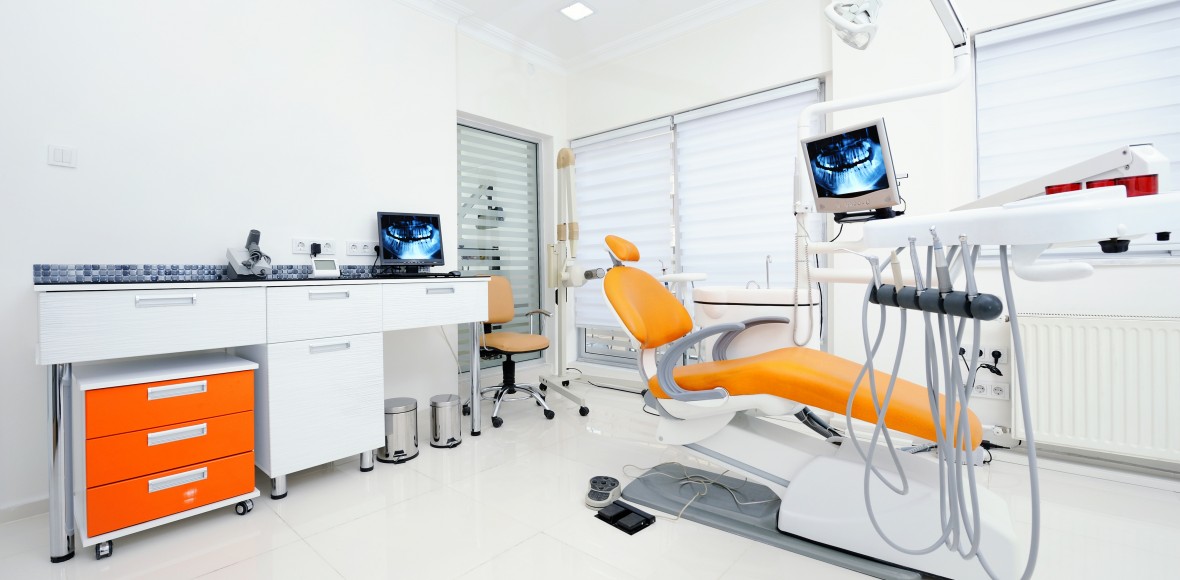
In hospitals, coughing and sneezing clearly signal airborne pathogens. In dental clinics, the primary sounds—drilling, scraping, suctioning, and spraying—are less obvious indicators of danger. Yet routine dental care continuously generates high volumes of infectious aerosols and splatter.
Ultrasonic scaling, tooth extractions, implant surgery, and root canals produce complex mixtures of saliva, blood, plaque, and tooth debris. Once airborne, HVAC systems and room foot traffic carry these microscopic droplets throughout the facility.
These floating particles are inhaled by staff and patients or settle onto high-touch surfaces like dental chairs, tray tables, and instruments.
A clinical study at Chang Gung Memorial Hospital confirmed that dental aerosols lower indoor air quality and increase infection risks for clinical staff.
Additionally, dental offices contain high levels of volatile organic compounds (VOCs) from cements, acrylics, analgesics, and chemical disinfectants. Exposure to these vapors causes skin irritation, eye infections, and respiratory issues among dental workers.
Occupational Health Hazards in Dentistry
Occupational data confirms the severity of exposure risks in dental care:
- When Business Insider ranked the most health-damaging jobs in America, six of the top seven positions were in dental healthcare—including general dentists, hygienists, and lab technicians.
- Using data from the U.S. Department of Labor O*NET database, researchers found dental roles carry higher environmental exposure risks than chemical plant operators, oil derrick workers, or veterinary technicians.
Patient Vulnerability and Cross-Contamination
Airborne contamination also threatens patients. Clinical studies document dental-visit transmission of Legionnaires' disease, Aspergillosis, tuberculosis, and MRSA. Standard viruses like influenza and rhinovirus also spread quickly through shared indoor air.
A European Oral Microbiology Workshop report noted that the human mouth acts as a natural reservoir for pathogens. Active air disinfection and environmental controls are required to lower these pathogen concentrations safely.
Understanding Bio-Aerosols: The “Toxic Cloud”
The main driver of airborne contamination in dentistry is the bio-aerosol—a mix of compressed air, waterline water, and biological matter from the patient’s mouth.
These microscopic droplets can remain suspended in the air for up to six hours and travel across operatory spaces. Practitioners refer to this cloud as a hazardous breathing zone extending from floor level up to six feet.
A meta-analysis of 17 microbiology studies identified key pathogens isolated from dental bio-aerosols, including Staphylococcus aureus, Legionella, Aspergillus, Mycobacterium tuberculosis, and Varicella-zoster virus.
Aerosol Spikes During Active Treatment:
- University clinic air sampling showed bacterial aerosol levels were 5 times higher during treatment hours than before opening.
- Research in a dental office revealed bio-aerosols during tooth grinding were 16 times higher than background levels.
Aerosols vs. Splatter Mechanics
Fine bio-aerosols penetrate deep into the human respiratory tract when inhaled. By contrast, splatter consists of larger fluid droplets that travel in ballistic trajectories.
Splatter carries sufficient kinetic energy to land directly on the clinician's mask, protective eyewear, hair, and clothing, as well as surfaces within 15 to 120 cm of the patient. Surface sampling confirms heavy bacterial contamination on lamp handles, tray tables, and spittoons.
Documented Infection Risks and MRSA Transmission
Clinical literature confirms significant infection risks from dental waterlines and surface contamination:
- Legionnaires' Disease: In Rome, an 82-year-old patient died from Legionnaires' disease contracted through a contaminated dental unit waterline. Stagnant water in narrow tubing fosters rapid bacterial biofilm growth between patient visits.
- Post-Extraction MRSA: The British Dental Journal reported a patient who developed a severe drug-resistant MRSA infection following a routine molar extraction.
- Practitioner Carrier Risk: A study across seven facilities revealed 21% of dental students carried MRSA—ten times higher than the general public. Over half of the evaluated clinics tested positive for surface MRSA contamination.
Additionally, Shinshu University researchers isolated matching MRSA strains from air-water syringes and patient chairs that infected eight hospitalized patients.