4 Ways to Fight Airborne Clostridium Difficile (C. diff) – Part 1
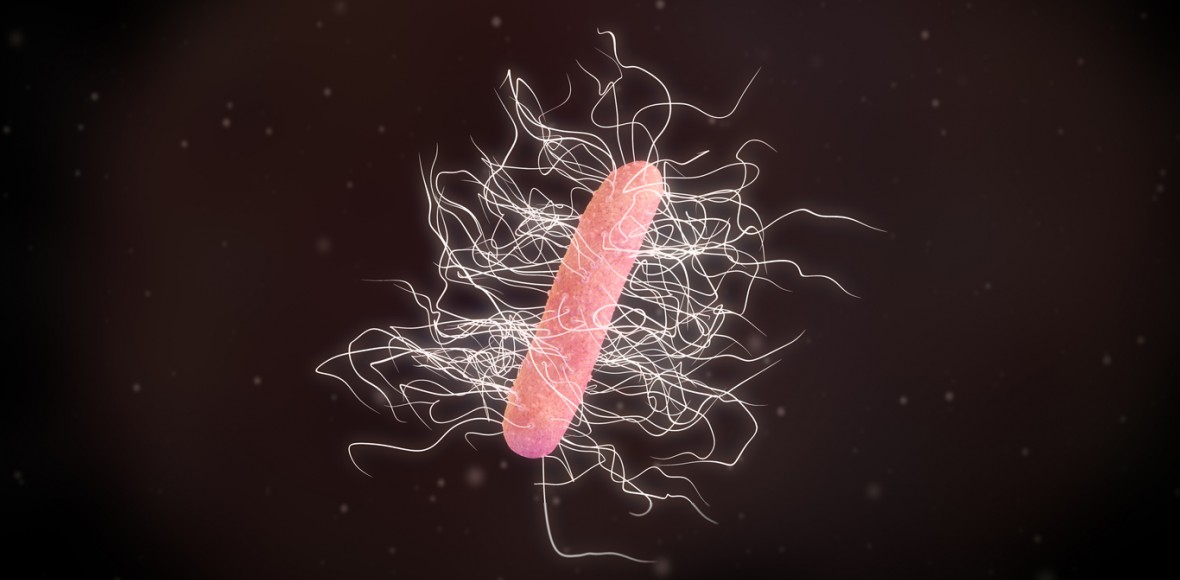
For decades, Clostridium difficile infection (CDI, or C. diff) was largely dismissed as an annoying but easily treated cause of hospital-acquired diarrhea and mild colitis.
That clinical reality has shifted dramatically.
Healthcare facilities worldwide report an alarming increase in CDI incidence alongside higher rates of infection recurrence.
Even more concerning is the emergence of hypervirulent mutant strains, including epidemic ribotypes 027 and 078. Highly resistant to conventional fluoroquinolones and standard therapies, these strains trigger severe abdominal cramping, fever, dehydration, pseudomembranous colitis, and toxic megacolon.
“These complications can be devastating for some patients and ultimately fatal for others,” report infection control specialists at Duke University. “C. difficile represents a growing global challenge that threatens patient safety across acute and long-term care settings.”
The Rising Global Burden and Mortality of CDI
Across North America and Europe, CDI incidence increased two- to four-fold in a single decade, disproportionately impacting elderly patients in acute hospitals and skilled nursing facilities. Individuals aged 65 and older are at least five times more likely to develop CDI than younger cohorts.
In the United States alone, C. difficile causes nearly 500,000 healthcare-associated infections annually. Public health data show that 29,000 patients—90% of whom were seniors—died within 30 days of CDI diagnosis, with 15,000 deaths directly attributable to acute infection. Approximately 20% of patients experience recurrent episodes following initial clinical resolution.
A landmark Scottish observational study revealed that 29% of all CDI patients died within two months of hospital admission. Infected individuals required an average of 9.7 additional inpatient bed-days compared to non-infected controls, driving up healthcare expenditure.
While infection control measures historically prioritized hand hygiene, surface disinfection, and antimicrobial stewardship, emerging research indicates that containing the CDI epidemic warrants an additional line of defense: airborne disinfection.
The Environmental "Fecal Cloud": How C. Diff Spreads
Because C. difficile is shed in stool, patient care equipment, bed rails, door handles, and privacy curtains quickly become contaminated reservoirs for infectious bacterial spores.
Patients' skin, clothing, and bedding harbor heavy spore loads. Clinical evaluations demonstrate that a single patient can carry spores across multiple body regions—including the chest, abdomen, forearms, and hands. Skin shedding often persists long after acute diarrhea resolves, facilitating rapid transfer to healthcare workers' hands.
Complicating environmental decontamination, bacterial endospores are resistant to standard hospital disinfectants and can survive on dry surfaces for up to 5 months.
Airborne Dissemination and Spore Resuspension
In addition to direct surface contact, clinical studies confirm airborne spore transmission in treatment wards. Landmark research conducted at the University of Leeds demonstrated that viable C. difficile spores circulate in the air surrounding symptomatic patients, with airborne concentrations correlating directly with the severity of diarrhea.
Researchers sampling air around symptomatic patients detected airborne endospores during periods of physical activity—including bedding changes, routine ward rounds, and door movements. Mechanical agitation resuspends settled spores into air currents, generating a localized "fecal cloud" that redeposits onto clean hospital surfaces and medical devices.
While inhaling spores does not cause direct pulmonary disease, ingestion of resuspended airborne spores that land on hand-contact surfaces creates a major transmission pathway.
Read Clostridium Difficile in the Air: 4 Strategies to Stop This Deadly Bacteria – Part 2
Explore independent laboratory trials validating Novaerus NanoStrike technology against C. diff spores.