Cleaner IVF Laboratory Air Boosts Success (Part 1)
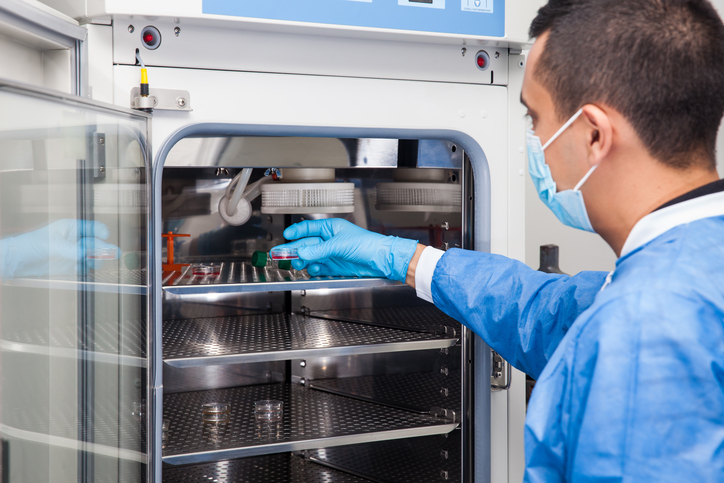
Following the relaxation of family planning policies, China’s in-vitro fertilization (IVF) sector has grown rapidly into a multi-billion dollar market. To maximize implantation and live birth rates, leading reproductive clinics are prioritizing clean air technology to eliminate volatile organic compounds (VOCs) and airborne particulate matter toxic to developing human embryos.
The Rapid Rise of Assisted Reproductive Technology (ART) in China
For years, couples seeking fertility treatment in Asia often traveled abroad to medical centers in Thailand, Singapore, Malaysia, or the United States. Following policy reforms in 2015, an estimated 90 million women became eligible to expand their families. Today, with approximately 15% of couples experiencing infertility, the national reproductive healthcare market is expanding toward $1.5 billion.
To improve clinical outcomes, top reproductive medical centers are adopting rigorous protocols: hiring specialized embryologists, implementing strict sterilization procedures, monitoring embryo development with advanced imaging, and integrating Novaerus airborne infection control and air purification technology.
Hidden Embryo Toxicity in IVF Laboratory Environments
Airborne contamination inside the cleanroom directly impacts embryo development, implantation success, and live birth rates. An international panel of embryology experts designated advanced air filtration as an essential requirement for optimizing ART outcomes.
“It is possible to find toxicity with nearly everything that is used in the laboratory.”
— The Cairo Consensus on ART Laboratory Air Quality
Despite clean appearances, standard IVF facilities are vulnerable to gaseous volatile organic compounds (VOCs) and submicron particulates generated by routine lab items:
- Construction Materials: Flooring, wall paints, sealants, and ceiling tiles.
- Lab Furniture & Plasticware: Cabinets, monitors, petri dishes, test tubes, and incubators.
- Cleaning Protocols & Staff: Surface disinfectants, laundry detergents, cosmetics, and clothing fibers.
Environmental Air Pollution and Rising Infertility Rates
Infertility rates continue to rise due to delayed parenthood, lifestyle stress, smoking, and severe ambient air pollution:
Key Research Findings on Environmental Factors & Fertility
- Semen Quality Decline: Sperm banks in major cities report that nearly two-thirds of donated semen samples fail to meet World Health Organization (WHO) standards.
- Particulate Matter Exposure: Research at Wuhan University indicated that chronic exposure to ambient fine particulate matter significantly increased the risk of abnormal sperm morphology, with degradation occurring after just three months of high exposure.
- Pregnancy & Miscarriage Risks: A study in Human Reproduction linked ambient outdoor air pollution to increased miscarriage rates and reduced live birth rates in patients undergoing IVF treatments.
While clinics cannot control ambient outdoor air pollution or patient lifestyle factors, implementing continuous indoor air purification allows facilities to maximize clinical control where it matters most: inside the embryology laboratory.