Cleaner IVF Laboratory Air Boosts Success (Part 2)
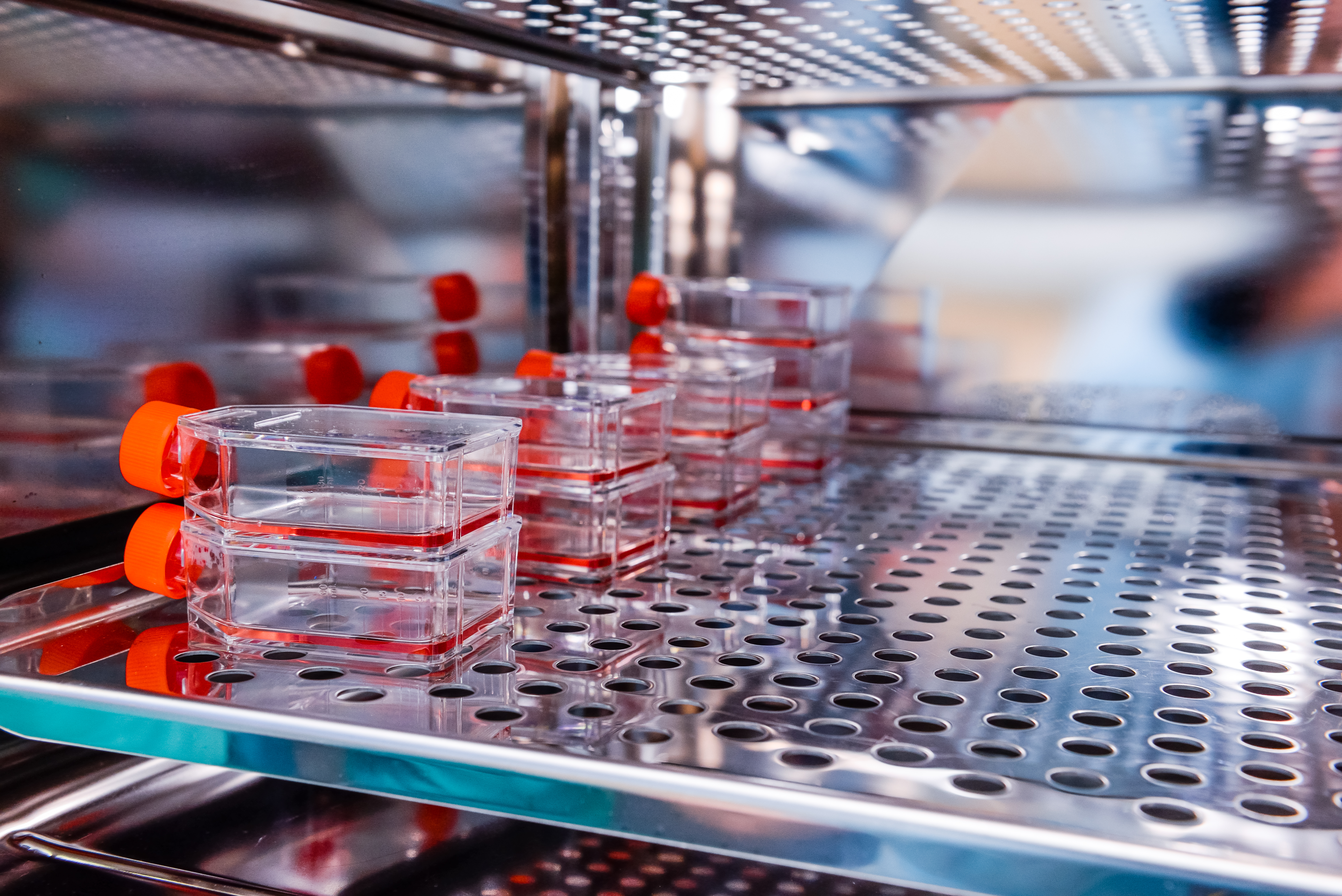
Standard surgical hospital regulations do not address the unique air quality needs of In Vitro Fertilization (IVF) laboratories. Controlling volatile organic compounds (VOCs), particulate matter, and airborne pathogens in ART facilities directly correlates with higher embryo implantation rates and improved live birth outcomes.
Why IVF Laboratories Aren’t Standard Operating Rooms
Around the globe, IVF regulating authorities are paying increased attention to laboratory air quality. However, licensing requirements frequently treat IVF labs like general surgical facilities—focusing primarily on surface infection control rather than airborne Volatile Organic Compounds (VOCs), aldehydes, submicron particulates, and toxic chemical emissions.
“Although this might sound a prudent approach, these requirements do not consider the unique needs of the ART laboratory, where the environment must cause the lowest levels of physicochemical stress possible to the gametes and embryos.”
— The Cairo Consensus on ART Laboratory Air Quality
Common Sources of VOCs in Embryology Labs
VOCs emitted from petroleum-refined compounds cause severe physicochemical stress to human gametes and embryos. In an IVF laboratory, hazardous chemical emissions originate from numerous everyday sources:
- Facility Construction & Furniture: Painted walls, ceiling tiles, manufactured wood cabinets, and oiled stainless-steel surfaces.
- Lab Equipment: Component off-gassing from microscopes, monitors, and benchtop incubators.
- Personnel & Hygiene Products: Perfumes, lotions, shampoos, cosmetics, and laundered scrub detergents.
- Third-Hand Smoke: Toxins carried on skin and clothing from cigarette smoke exposure (a notable issue in markets like China, where 53% of men smoke).
VOCs generate continuously, reacting with indoor ozone to produce submicron particles and toxic by-products linked to poor IVF outcomes. Furthermore, airborne biological pathogens (viruses, bacteria, and fungal spores) can compromise embryo implantation.
“The level of incidental chemical exposure is largely uncontrolled in many assisted reproductive technology (ART) facilities worldwide.”
— The Cairo Consensus Group
Cleaner Laboratory Air Directly Increases Live Birth Rates
Clinical research demonstrates a direct link between advanced air purification in reproductive laboratories and improved clinical pregnancy rates:
- U.S. Military IVF Clinic Study: Following relocation to a new facility equipped with advanced air filtration, embryo implantation rates increased from 24.3% to 32.4%, and live birth rates rose from 31.8% to 39.3%—with no other changes to staff, patient demographics, or protocols.
- Brazilian IVF Clinic Study: Improving laboratory air quality resulted in live birth rates rising from 25.8% to 35.6% while miscarriage rates dropped from 28.7% to 20.0% within four months.
Advanced Air Disinfection Technology in ART Facilities
While IVF laboratories increasingly select low-emission paints and furniture, structural design alone cannot prevent all contaminants from entering the cleanroom. Advanced, continuous air disinfection is critical.
Comparing Air Purification Methodologies in IVF Labs
- Standard HEPA Filters: Trap airborne particles and microbes but do not neutralize gaseous VOCs or kill pathogens on contact.
- Ultraviolet (UV) Systems: Can generate harsh localized radiation and carry risk of secondary ozone creation or equipment damage.
- Hydrogen Peroxide Vapor: Irritates mucosal membranes and can damage sensitive laboratory instruments.
- Novaerus NanoStrike Technology: Continuous, safe plasma air disinfection designed specifically for sensitive cleanrooms.
Portable systems like the Defend 1050 (NV1050) utilize patented NanoStrike technology to neutralize VOCs, inactivate airborne viruses and bacteria, absorb odors, and capture particulate matter as small as 0.12μm safely around developing embryos and clinical staff.
Expanding Assisted Reproductive Success in China
Boosting fertility success rates is critical to addressing demographic challenges in China, where outdoor air pollution and delayed parenthood present significant barriers.
Through a national partnership with Guangzhou Zooming Instrument Ltd.—a leading fertility laboratory equipment supplier serving over 400 reproductive centers—Novaerus technology delivers continuous clean air protection to top reproductive medical centers across China.