How Hospitals Fuel the Spread of Measles
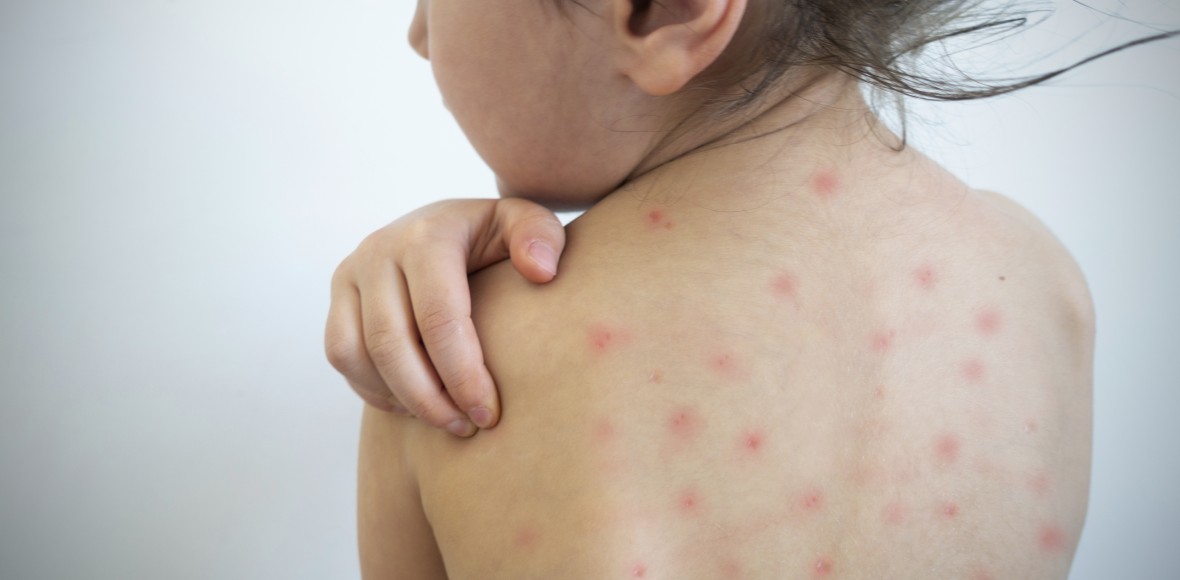
Global measles outbreaks are surging, with hospitals and medical clinics frequently acting as ground zero for rapid viral transmission. Because measles is an airborne virus capable of lingering in the air for hours before symptoms fully emerge, healthcare waiting rooms present severe transmission risks for patients and clinical staff.
Healthcare Facilities as Ground Zero for Outbreaks
Nine days after returning home from a Mediterranean cruise, a Sardinian woman developed a rash. She visited a hospital emergency department, was diagnosed with measles, and remained hospitalized for three days. While infectious, she transmitted the disease to six people: a co-worker, a relative, three healthcare workers, and a hospital visitor.
Health authorities eventually linked 136 measles cases to the cruise. Of these, 80 were traced to this single patient, and 50 had been transmitted directly in a hospital setting or by a healthcare worker.
“Measles is one of the most contagious viral diseases, and patients frequently visit hospitals or health care facilities... In hospital waiting rooms, the potential for airborne transmission of measles is high.”
The U.S. Centers for Disease Control and Prevention (CDC) cautions that measles transmission in healthcare settings remains a serious public health concern. Severe complications include pneumonia, brain damage, blindness, and hearing loss.
According to the World Health Organization (WHO), complications result in hospitalization in up to a quarter of cases even in high-income countries, leading to lifelong disability. In the Sardinian hospital outbreak, more than half of the infected patients suffered complications.
Why Measles Cases Are Surging Worldwide
All global regions report sustained rises in measles cases, ranging from a 40% year-over-year increase in the Western Pacific to a 300% increase in Europe and a 700% increase in Africa.
Primary Drivers of the Global Measles Surge:
- Stagnant Vaccination Rates: Coverage for the first dose of the measles vaccine has stagnated at 85% (short of the 95% required for herd immunity), while second-dose coverage stands at just 67%.
- Global Travel: Outbreaks are frequently ignited by international travelers; almost all U.S. outbreaks originate from overseas importations.
- Systemic Supply & Social Factors: Regional political instability, vaccine shortages, and vaccine hesitancy contribute to lower immunity rates.
Just How Contagious is Measles?
Measles is widely recognized by medical experts as one of the most highly contagious airborne diseases known to science.
High Transmission Rate: A single infected individual can infect up to 90% of susceptible people in close proximity.
Understanding R0 (Basic Reproduction Number)
The "basic reproduction ratio" ($R_0$) estimates how many secondary infections a single infected individual will cause in a fully susceptible population:
- Polio, Smallpox, and Rubella $R_0$: 5 to 7
- Measles $R_0$: 12 to 18
Airborne Behavior and Asymptomatic Spread
The measles virus resides in nose and throat mucus and is expelled into the air via coughing or sneezing.
- 2-Hour Air Survival: The virus remains active and floating in the air for up to two hours after an infected person leaves the area.
- Asymptomatic Transmission: Patients are infectious for up to 4 days before the characteristic rash appears, leading many individuals to infect others in public waiting rooms before knowing they are ill.