Asthma, Allergies, and Absenteeism in K-12 Schools
How Indoor Air Contaminants Drive Student Absences and How Air Purification Restores Classroom Performance
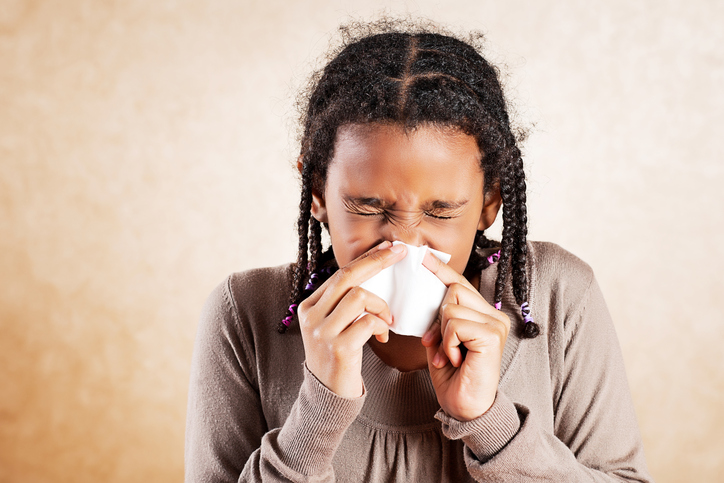
The Transition from Flu Season to Allergy Season
When winter fades into spring, school administrators and teachers breathe a temporary sigh of relief as seasonal influenza wanes. However, the end of flu season immediately gives way to springtime allergies.
Fever and chills are replaced by runny noses, itchy eyes, sneezing, and asthma attacks for millions of students and faculty members across preschools and K-12 classrooms.
"Allergen levels in schools can be significantly higher than in the home environment," notes the National Institute of Environmental Health Sciences (NIEHS) in a landmark study on indoor allergens in school and daycare environments.
Impact on Attendance, Health, and Academic Performance
Allergies and asthma represent a major operational and educational challenge for school districts nationwide:
- Massive Absenteeism: Asthma and allergies trigger more than 12.4 million missed school days annually in the United States, directly impairing academic progress.
- Prevalence Among Children: Asthma is the leading chronic illness in children, affecting roughly 10% of school-age children—a statistic that continues to climb [1].
- Occupational Risk for Educators: Asthma is a recognized occupational health hazard for teachers, teacher's aides, and facility staff exposed to chronic indoor triggers.
While influenza and allergies stem from different causes, both share a critical transmission pathway: they circulate as fine airborne particles. Cleaning and purifying indoor air serves as a highly cost-effective, multi-pathogen containment strategy.
Classroom "Allergen Reservoirs" and Particle Resuspension
Daycare and elementary classrooms naturally accumulate high concentrations of allergen reservoirs, including upholstered furniture, rugs, pillows, books, and plush toys.
Young students are constantly active. When children sit on beanbags, shake out nap blankets, flip through books, or throw soft toys, they launch settled particles back into the breathing zone. As a research team of Texas immunologists noted, physical activity in classrooms increases air turbulence, continually resuspending bio-allergens.
Surprising In-School Triggers: Mice, Pets, and Dust Mites
Parents often focus on home cleanliness, but children spend up to 8 hours a day at school, where allergen profiles differ significantly from home environments:
- High Mouse Allergen Levels: The School Inner-City Asthma Study sampled 37 public schools and detected mouse allergen in 99.5% of samples taken from classroom floors, desks, and chairs—levels significantly higher than those found in students' homes. Students exposed to high mouse allergen levels experienced 12 additional days of asthma symptoms per school year.
- Passive Transport of Pet Dander: Studies show high concentrations of cat and dog allergens in pet-free classrooms, brought in via the clothing and hair of pet-owning students and staff.
- Perennial Triggers: Dust mites, mold spores, and cockroach allergens are regularly detected in airborne and surface samples taken from daycare centers and primary schools.
Why Surface Cleaning Alone Is Not Enough
Custodial staff work hard to sanitize floors and desks, but routine cleaning cannot keep up with active particle resuspension. In one Swedish study, reducing classroom cat allergens required separating children from pet-owning households, laundering clothes at school, and having teachers change outfits before entering—an impractical model for real-world operations.
To protect students and staff, schools must implement active engineering controls that clean the air continuously throughout the school day.
Deploying Active Air Purification in Educational Facilities
Combining high-efficiency filtration with active air purification neutralizes airborne allergens, viral particles, and bacteria before they recirculate:
- Whole-Building HVAC Ionization: Installing Plasma Air HVAC ionization systems causes micro-allergens (pollen, dander, mold spores) to clump together so standard MERV filters can trap them efficiently.
- Targeted Portable Disinfection: Placing standalone Novaerus air disinfection units in high-density areas (classrooms, nurse offices, cafeterias) provides 24/7 localized protection against bio-aerosols.
Sources & References
- National Institute of Environmental Health Sciences (NIEHS). Indoor Allergens in School and Daycare Environments. NIH / PMC. Read study.
- Centers for Disease Control and Prevention (CDC). Asthma-Related Missed School Days. U.S. DHHS. Read data.
- Phipatanakul, W., et al. School Inner-City Asthma Study (SICAS). ScienceDirect. Read study.
- Centers for Disease Control and Prevention (CDC). Most Recent Asthma Data. CDC. Read data.