The Hidden Dangers of Thirdhand Smoke in Homes and Buildings
Understanding Tobacco Residue Accumulation, Environmental Health Risks, and Whole-Building HVAC Ionization Solutions
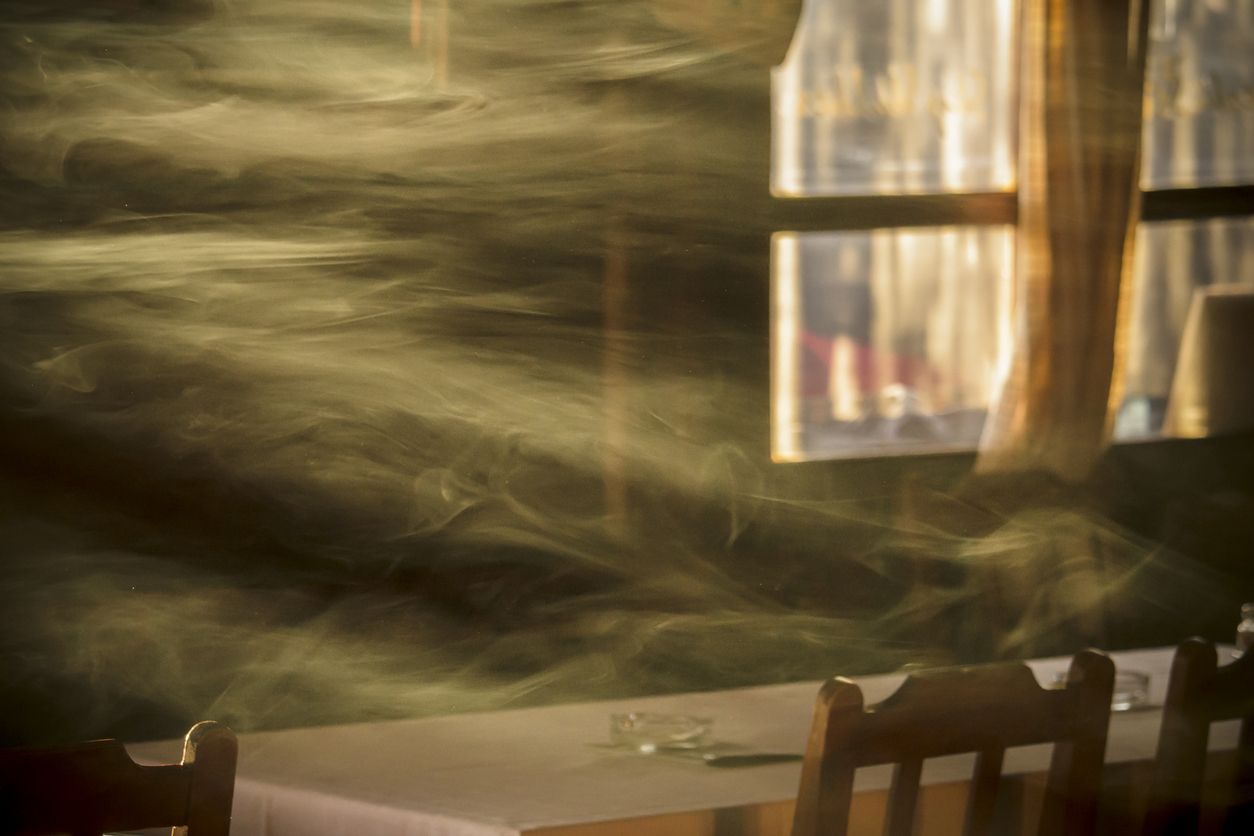
The health risks of secondhand smoke are well documented, prompting smoking bans across public facilities, corporate campuses, and schools. However, policies restricting active smoke do not protect building occupants from a lesser-known but persistent environmental hazard: thirdhand smoke.
Thirdhand smoke refers to the chemical residue left behind on surfaces after smoking occurs. Long after the visible smoke clears and odor dissipates, toxic compounds linger for months or years—clinging to drywall, curtains, furniture, bedding, carpeting, clothing, and skin.
How Thirdhand Smoke Circulates Through HVAC Systems
Surface-bound tobacco residue does not remain static. Gas-phase compounds coat indoor dust and react with common indoor air pollutants to generate tobacco-specific nitrosamines (TSNAs)—highly carcinogenic compounds that re-gasify and circulate through building HVAC systems.
“Just because you’re in a nonsmoking environment doesn’t mean you aren’t exposed to tobacco,” cautions Drexel University atmospheric chemist Peter DeCarlo, Ph.D. “That ride-share car, the hotel room, or even a classroom where smoking hasn’t been allowed for decades—these are places where you are often exposed to a lot more than you expect.”
Key Environmental Research Findings on Thirdhand Smoke Distribution:
- Widespread HVAC Distribution: A study published in Science Advances led by Drexel University analyzed classroom air in a building where smoking had been banned for over 20 years. Researchers discovered that thirdhand smoke chemicals comprised 29% of the total indoor air mass, transported via shared HVAC ductwork from nearby smoking zones.
- Hotel Room Infiltration: Research from San Diego State University found that nonsmoking rooms in hotels allowing smoking on-site contained airborne tobacco pollutant levels nearly 5 times higher than fully smoke-free hotels. Unsuspecting guests exhibited nicotine biomarkers in their urine at rates twice as high as those in smoke-free properties.
- Deep Surface Reservoir Persistence: The same SDSU team detected chemical tobacco residue embedded in drywall and carpets at a commercial casino three months after a smoking ban was enacted.
Health Risks Across Vulnerable Populations
The American Academy of Pediatrics classifies thirdhand smoke as a serious danger to children. Young children face heightened exposure because they breathe faster, have thinner skin, crawl on carpets, and routinely put hands and objects into their mouths.
Adults also face significant risks from long-term exposure:
- Carcinogenic Potency: Nitrosamines created by thirdhand smoke reactions are among the most potent chemical carcinogens known.
- Organ Damage and Metabolic Disruption: Animal model studies conducted found that thirdhand smoke exposure caused elevated lung cancer incidence, liver damage, and insulin resistance.
- DNA Damage in Human Cells: Berkeley Lab scientists confirmed that laboratory exposure to thirdhand smoke residue triggered significant double-strand DNA damage in human cell cultures.
“With thirdhand smoke, there is a constant source of exposure, day after day after day,” notes Neal Benowitz, M.D., Professor of Medicine at the University of California, San Francisco.
Why Conventional Cleaning and Ventilation Fall Short
Eradicating thirdhand smoke presents severe operational challenges for hotel operators, facilities managers, and homeowners. Standard housekeeping practices—such as vacuuming, surface wiping, and increased outdoor air ventilation—cannot extract deeply embedded nitrosamines from building materials.
Because replacing drywall, ductwork, and carpeting is economically impractical, facility operators require active technological intervention at the HVAC level.
Mitigating Chemical Residue with Plasma Air Ionization
To stop chemical pollutants from re-gassing and depositing on surfaces, facilities deploy Plasma Air bipolar ionization technology directly within HVAC air handling units and supply ductwork.
How Bipolar Ionization Neutralizes Chemical Pollutants:
- Active Air Stream Treatment: Bipolar ionization systems emit millions of positively and negatively charged ions into circulating ductwork.
- Chemical Neutralization: Ions break down volatile organic compounds (VOCs), hydrogen cyanide, carbon monoxide, ammonia, and nitrosamines into harmless compound gases like oxygen, water vapor, and carbon dioxide.
- Peer-Reviewed Research: Supported by independent laboratory research demonstrating chemical and pathogen reduction.
- Versatile Commercial Installation: Easily installed across schools, hotels, casinos, commercial offices, and residential properties.
Conclusion: Restoring Air Hygiene Across Shared Buildings
As awareness of thirdhand smoke hazards grows, building managers must address chemical residue lingering in shared air spaces. Implementing whole-building bipolar ionization neutralizes toxic tobacco compounds at the source, ensuring safer indoor environments.
Learn how Plasma Air whole-building ionization works, or contact our team today to evaluate air quality solutions for your property.
Sources & References
- Science Advances. Thirdhand Cigarette Smoke in an Office Building: Airborne Infiltration via HVAC Systems. AAAS. Read study.
- BMJ Tobacco Control. Thirdhand Smoke Contamination in Hotel Rooms. BMJ Publishing Group. Read study.
- Lawrence Berkeley National Laboratory. Health Hazards of Thirdhand Smoke Exposure. Berkeley Lab Research. Read report.