How Hospitals Can Protect Patients from MRSA
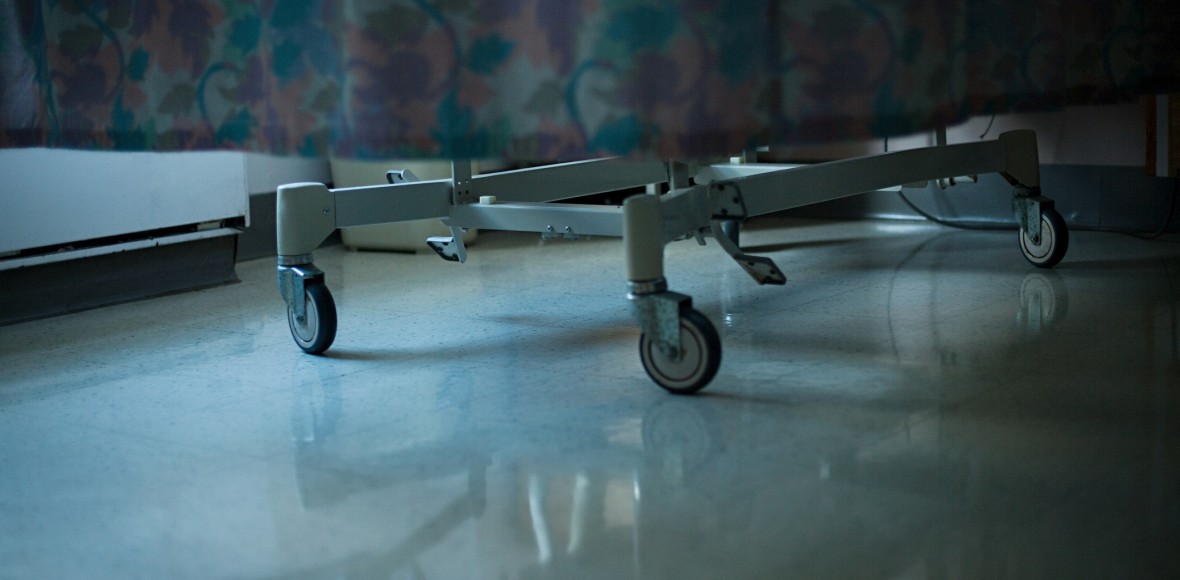
Methicillin-resistant Staphylococcus aureus (MRSA) remains one of the most severe healthcare-associated threats in modern medicine. While hand hygiene remains essential, emerging research proves that surface residue, soft fabrics, and airborne particles contribute significantly to MRSA transmission. To protect vulnerable hospital and nursing home patients, healthcare facilities must adopt a comprehensive, multipronged infection-control strategy.
The Escalating Threat of Invasive MRSA Infections
VRE, CRE, C. diff., CRKP — healthcare facilities contend with a dangerous array of resistant superbugs, but among the most persistent is MRSA.
Easily spread and notoriously resilient, methicillin-resistant Staphylococcus aureus invades bloodstreams, lungs, and joints via open wounds, surgical cuts, burns, catheters, feeding tubes, and airways. Recent data shows that declines in MRSA bloodstream infections have stalled, while aggressive, community-based strains continue to rise.
Global & U.S. MRSA Impact Statistics:
- Invasive Mortality Rate: Worldwide, the mortality rate from invasive MRSA infections is estimated at 20%.
- U.S. Annual Burden: Over 80,000 invasive MRSA infections are diagnosed annually in the United States.
- Financial Cost: Treatment frequently spans months and costs nearly $40,000 per patient.
- Global Consensus: The World Health Organization (WHO) warns that MRSA puts gains of modern medicine at risk, while the CDC classifies it as a common and severe threat.
Because MRSA contaminates environmental surfaces — including bed linens, floors, privacy curtains, stretchers, stethoscopes, and door handles — and becomes airborne when privacy curtains are drawn or pneumonia patients cough, containment requires more than hand sanitizer alone.
“Hospitals should not just rely upon hand hygiene alone for protecting patients,” asserts American MRSA researcher Neal Goldstein, Ph.D. “Infection control is a multipronged strategy.”
MRSA: Resilient, Antibiotic-Resistant, and Widespread
MRSA is particularly concerning because of its decades-long history of adapting to drug therapies.
In the pre-antibiotic era, Staphylococcus aureus blood infections carried an 82% mortality rate. Penicillin briefly resolved the crisis in 1941, but staph strains rapidly developed resistance to penicillin, methicillin, amoxicillin, and oxacillin.
Today, vancomycin — long considered the primary line of defense — faces growing resistance. Strains with partial resistance and complete resistance (vancomycin-resistant S. aureus or VRSA) have already been documented.
Colonization Rates Across Settings
- General Population: According to the CDC, 2% of the general public carries MRSA.
- Hospital Patients: Approximately 7% of admitted hospital patients are colonized.
- Healthcare Workers: Globally, 4.6% of healthcare workers carry MRSA, with 5.1% experiencing active symptomatic infections.
- Nursing Homes: Up to one in four nursing home residents harbour MRSA in certain facility environments.
How MRSA Spreads in Healthcare Environments
While healthcare workers' hands are primary transmission vectors, skin-to-skin contact is not strictly necessary. MRSA transmission frequently occurs via secondary vectors:
1. Soft Surfaces and Privacy Curtains
In a Canadian study tracking freshly laundered hospital privacy curtains, 87.5% tested positive for MRSA by day 14, even in rooms not designated for MRSA patients. Lead author Kevin Shek noted that privacy curtains pose high cross-contamination risks because they are touched constantly but washed infrequently.
2. Healthcare Scrubs and Apparel
Medical apparel acts as another persistent reservoir. In a study evaluating 120 nurse shifts, new pathogen contamination occurred on scrubs during 39 shifts, with MRSA identified among the most frequent organisms.
3. Contaminated Hospital Floors
Researchers identify hospital floors as an underappreciated source of MRSA transmission, observing that high-touch objects, call buttons, lines, and medical devices routinely touch contaminated flooring before contacting patients.